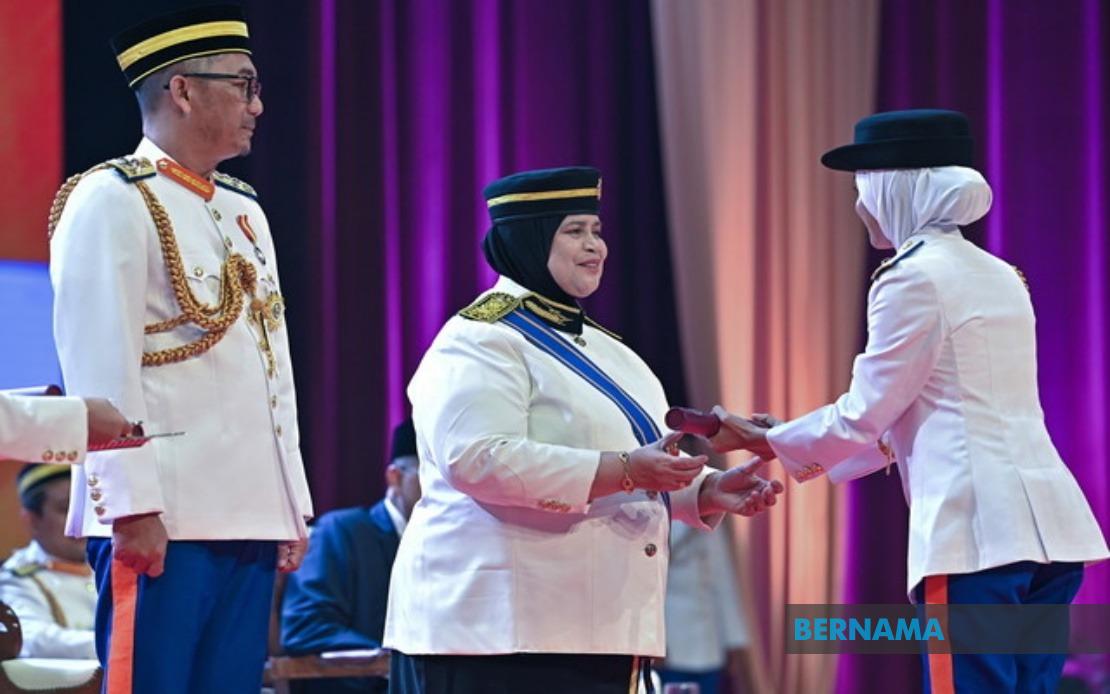
The government has begun rolling out a newly approved allowance scheme for Civil Defence Student Corps (Kor SISPA) members, with 1,107 cadets from 36 higher learning institutions qualifying as the inaugural recipients. Payments commenced this month following official approval of the initiative, representing a concrete step forward in recognising the contributions made by student volunteers in civil defence activities across Malaysia's educational landscape.
Deputy Minister of Rural and Regional Development Datuk Rubiah Wang announced the development at the 17th National Kor SISPA Commissioning Ceremony held at Universiti Pendidikan Sultan Idris in Tanjong Malim. Speaking in her capacity as Civil Defence honorary commissioner and representing Deputy Prime Minister Datuk Seri Dr Ahmad Zahid Hamidi, Rubiah emphasised that translating welfare improvements from policy discussions into tangible financial benefits represented a turning point for the organisation. The inaugural phase carries an estimated financial commitment of RM500,000, underscoring the government's immediate investment in the scheme.
The allowance structure adopts an hourly compensation model tailored to educational qualifications. Cadets holding bachelor's degrees receive RM9.80 per hour, whilst diploma holders earn RM8 per hour. This differentiation reflects Malaysia's standard civil service remuneration framework and acknowledges the varying levels of responsibility and expertise within the cadet corps. The calculation methodology bases payments on actual hours devoted to civil defence duties and activities, ensuring that compensation aligns with genuine service contributions rather than flat-rate stipends.
Rubiah underscored the government's commitment to expansion, noting that authorities would continue exploring sustainable funding mechanisms to extend the allowance programme beyond its current beneficiaries. This phased approach permits initial implementation and assessment before broader rollout, allowing administrators to identify operational challenges and refine processes. The strategy acknowledges budget constraints whilst maintaining momentum toward comprehensive coverage of the cadet population across Malaysian institutions.
The allowance initiative aims to achieve multiple objectives beyond simple welfare enhancement. By providing financial recognition, the government seeks to incentivise greater student participation in Kor SISPA programmes, offering meaningful exposure to civil defence operations and emergency response protocols. This practical experience equips future leaders and professionals with disaster management competencies increasingly vital in an era of climate volatility and public safety challenges. The monetary recognition simultaneously validates the often-overlooked contributions young people make toward community resilience.
Civil Defence operations extend considerably beyond emergency response during natural disasters or industrial accidents. Rubiah highlighted that corps members provide continuous support throughout the year at university events, campus activities, and community programmes. This year-round engagement demonstrates that civil defence functions encompass preventive capacity-building, emergency preparedness training, and public safety education. The allowance acknowledges this comprehensive remit rather than narrowly recognising only crisis-response roles.
Kor SISPA itself represents a relatively recent institutional development within Malaysia's higher education ecosystem. Established in 2010, the programme has expanded across universities, polytechnics, and teacher training colleges, successfully graduating 11,802 members to date. This substantial alumni base illustrates the scheme's deep institutional roots and accumulated human capital within the civil defence sector. Many graduates likely occupy positions of responsibility across government agencies, private sector organisations, and community bodies, creating a distributed network of trained personnel familiar with emergency management protocols.
The programme's expansion across 36 institutions reflects the government's decentralisation strategy for civil defence training, ensuring that regions beyond the capital benefit from structured cadet development. Geographic distribution enhances responsiveness during localised emergencies and strengthens institutional capacity building at state and provincial levels. Universities in less developed regions gain access to standardised training frameworks, elevating preparedness across the nation's diverse geographical and demographic landscape.
The allowance scheme carries implications for Malaysian students considering civil society engagement. Beyond the immediate financial benefit, participation in Kor SISPA now offers documented experience in emergency management and community service—increasingly valuable credentials within competitive job markets emphasising soft skills and civic commitment. Employers across sectors value disaster preparedness expertise and demonstrated leadership in high-pressure environments. The allowance thus represents not merely compensation but partial recognition of investment in professional development and national service.
Regional dynamics also warrant consideration. Southeast Asia faces escalating climate-related hazards, transboundary environmental challenges, and complex emergency scenarios requiring robust domestic civil defence infrastructure. Malaysia's investment in youth-oriented civil defence capacity contributes to regional resilience architecture. Well-trained cadet corps members eventually transition into professional roles within government, academia, and private enterprise, extending emergency management expertise throughout the economy and society.
The scheduled commissioning ceremony at Universiti Sultan Zainal Abidin next year signals continued expansion planning. Annual commissioning events provide visible government endorsement of cadet contributions whilst creating opportunities for public awareness campaigns emphasising civil defence importance. These ceremonial occasions reinforce institutional legitimacy and recruit additional student participation from newly commissioned cohorts entering universities.
Moving forward, programme administrators face challenges balancing budgetary constraints with expansion ambitions. The phased implementation permits evidence-based decision-making regarding resource allocation and programme refinement. Monitoring whether the allowance effectively increases participation rates, improves cadet retention, and enhances operational preparedness will inform future policy adjustments. Sustainability requires securing predictable funding mechanisms and demonstrating measurable outcomes justifying continued government expenditure.

