A grassroots assistance programme in Kluang has extended financial relief to 200 motorcyclists in the Renggam area, who each received RM5 fuel vouchers on June 25. The distribution forms part of a broader initiative by the National Security Council to address the economic pressures faced by rural and suburban commuters, while simultaneously deepening engagement between government agencies and local populations across Malaysia.
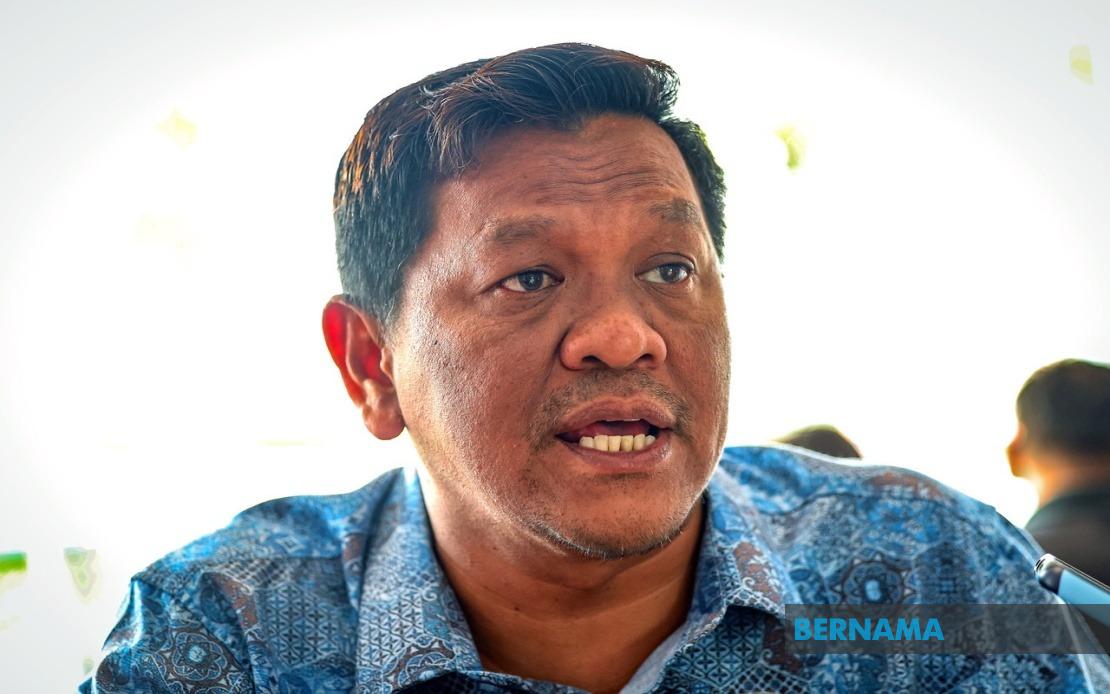
According to Abdullah Izhar Mohamed Yusof, political secretary to the Communications Minister, the scheme reflects a deliberate policy focus on improving living standards for ordinary Malaysians and fostering social cohesion at the community level. Beyond the material assistance, the programme demonstrates a commitment to reaching citizens in areas that might otherwise feel disconnected from federal initiatives. The voucher distribution was integrated into a larger public engagement event called Jiwa@Komuniti MADANI Sembang Santai World Cup Edition, suggesting that the government views such gatherings as opportunities for multi-layered interaction with constituents.
The broader event encompassed more than simple cash handouts. Participants received briefings on contemporary policy matters and had the chance to engage in structured dialogue with representatives from three government bodies: the National Security Council, the Information Department, and the Department of Community Communications. This tripartite approach underscores an institutional strategy to ensure consistency in messaging while allowing different agencies to address specific community concerns. For residents of Renggam, the session offered a rare formal channel to understand government priorities and voice local grievances directly to officials.
Abdullah Izhar emphasized that such programmes will occur regularly, positioning grassroots engagement as an ongoing commitment rather than a one-off gesture. He articulated that the central purpose of these initiatives is to furnish communities with reliable information about government policies and programmes, countering the misinformation that frequently circulates in neighbourhoods and on social media. By creating these face-to-face forums, the government aims to build trust through transparency and direct communication.
For motorcyclists in particular, the voucher carries symbolic and practical weight. In Malaysia, motorcycles remain the primary transport for many working-class individuals, especially in semi-urban and rural areas where public transport remains limited. Fuel costs directly impact household budgets, and even a modest RM5 voucher represents meaningful relief for daily commuters. The targeting of this group suggests the government recognises the specific economic vulnerabilities of two-wheeler riders, who often work in occupations with variable or modest incomes.
The response from recipients demonstrates both gratitude and cautious hope. M. Raja, a 56-year-old father of five from Taman Sri Jaya, expressed appreciation while gently suggesting that monthly distributions would be preferable. His comment captures a common tension in assistance programmes: while recipients are genuinely grateful for immediate support, the episodic nature of such initiatives leaves underlying financial strain unresolved. Raja's candour also reflects a pragmatic Malaysian attitude that acknowledges government constraints while making respectful requests for enhanced support.
Similarly, Hee Eeck Kwe, 66, from Kampung Baru, framed the voucher distribution within a broader narrative of rural inclusion. His comment suggests that residents of less-developed areas are conscious of whether government programmes reach them equitably. By affirming that rural communities have not been overlooked, Hee highlights a persistent concern in Malaysia about development disparities and the risk that assistance flows predominantly to urban centres. Such programmes therefore serve a dual function: they provide tangible relief while signalling commitment to geographically dispersed populations.
The initiative also reflects evolving approaches to government communications in Malaysia. Rather than purely top-down messaging, the MADANI Sembang Santai model emphasises two-way dialogue and listening. This represents a departure from more formal or bureaucratic engagement styles, and the inclusion of a World Cup themed edition suggests attempts to make government outreach feel more contemporary and accessible, even culturally relevant to younger or more socially engaged demographics.
From a Southeast Asian perspective, Malaysia's grassroots engagement strategy parallels approaches adopted elsewhere in the region, where governments increasingly recognise that direct community contact builds legitimacy and counters narratives promoted by opposition parties or online critics. The combination of material assistance with information dissemination is a sophisticated political communication technique that addresses both immediate needs and longer-term perceptions of governance.
Looking forward, the sustainability and scale of such programmes will largely determine their impact. If the RM5 vouchers are distributed once and never repeated, their symbolic value will quickly fade, and recipients may feel manipulated rather than genuinely supported. Conversely, if these initiatives evolve into predictable, regular engagements that communities come to expect, they could meaningfully reshape relationships between government and grassroots Malaysia. The frequency, consistency, and expansion of such programmes will be closely watched by both supportive communities and critical observers assessing whether they represent genuine policy reorientation or merely tactical public relations.
For motorcyclists in Renggam and beyond, the immediate benefit is modest but welcome. Yet the broader significance lies in whether this outreach becomes institutionalised and expanded, or remains a sporadic gesture that periodically distributes small sums while larger questions about transportation costs, rural development, and sustainable living standards remain unaddressed. The government's commitment to repeat such programmes regularly will ultimately determine whether Renggam's motorcyclists view June 25 as the beginning of sustained support or merely a pleasant but ultimately inconsequential event.

