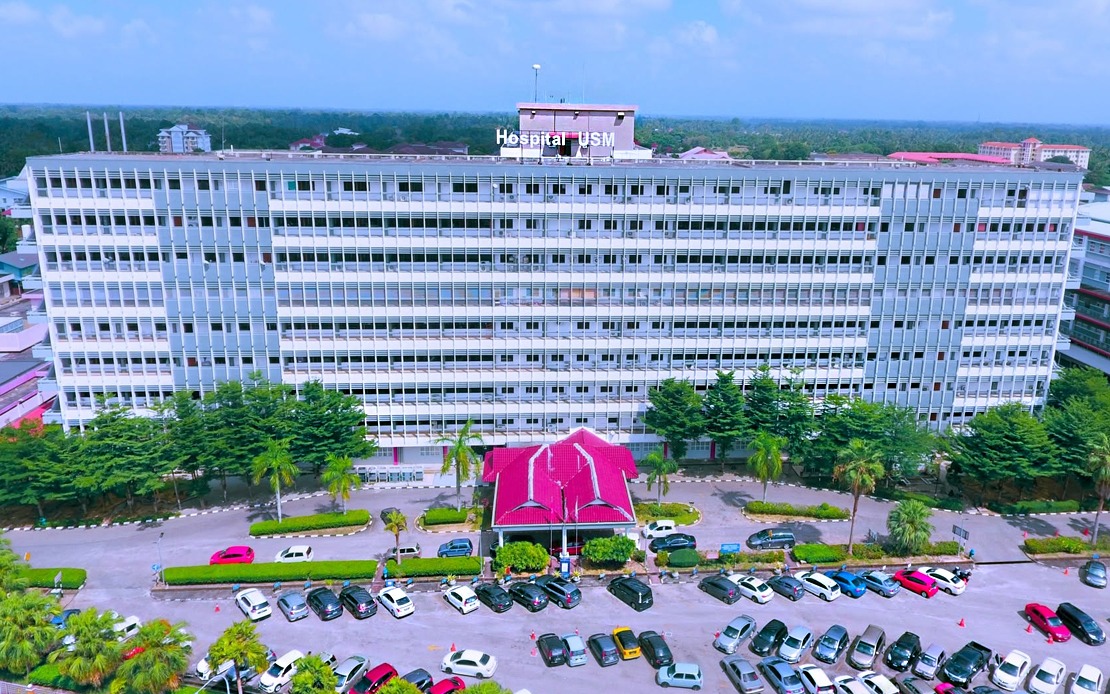
Twenty-three students ranging from seven to nineteen years old will undergo strabismus corrective surgery at Universiti Sains Malaysia Specialist Hospital (HPUSM) in Kota Bharu this week, marking a major breakthrough in addressing a chronic backlog that has left patients waiting months or even years for treatment. The surgical procedures will take place over five consecutive days as part of HPUSM's second annual Strabismus Surgery Carnival, which commenced on August 16 and continues through August 20, bringing together specialized ophthalmologists and training physicians to expedite care for this common eye condition affecting alignment and coordination.
Datuk Dr Ab Rahman Izani Ghani @ Ab Ghani, director of HPUSM, emphasised that the carnival represents a tangible solution to a healthcare bottleneck that has long frustrated both patients and medical professionals. He explained that the participating students were initially identified through HPUSM's three-year Short-sightedness and Strabismus Eye Intervention Programme, which has systematically screened school-aged children throughout Kelantan to detect visual abnormalities before they compound into more serious complications. This proactive screening methodology enabled physicians to identify approximately 300 students with various ocular conditions, with strabismus being among the most prevalent cases requiring surgical intervention.
The selection of these 23 surgical candidates from the larger pool of identified patients reflects the intensive nature of strabismus correction and the coordination required to assemble specialist teams capable of performing multiple procedures simultaneously. By concentrating expertise and resources during the five-day carnival format, HPUSM demonstrates an innovative approach to healthcare delivery in rural and semi-rural Malaysian settings, where such specialized services might otherwise remain inaccessible due to geographical and infrastructural constraints. The carnival model allows the hospital to maximize efficiency and reduce per-patient surgical costs through economies of scale.
Financial support for the initiative comes from the Kelantan Islamic Religious and Malay Customs Council (MAIK) alongside contributions from multiple non-governmental organisations, reflecting the collaborative ecosystem necessary to sustain such programmes in resource-conscious healthcare environments. This funding arrangement ensures that treatment remains accessible to families regardless of economic circumstances, a critical consideration in a state where income levels remain below the national average. The partnership demonstrates how government religious bodies and civil society organisations can complement the public healthcare system when aligned around shared social objectives.
Prof Dr Shatriah Ismail, paediatric ophthalmology consultant at USM School of Medical Sciences, underscored that strabismus—commonly known as crossed eyes or eye misalignment—extends far beyond aesthetic concerns. She stressed that the condition directly impairs visual development, binocular coordination, and depth perception in growing children, with untreated cases frequently resulting in permanent deficits in these functions during critical developmental windows. Beyond the physiological impacts, she highlighted that psychological consequences can be equally damaging, as children with noticeable eye misalignment often experience social stigma, reduced peer acceptance, and diminished confidence in educational and recreational settings.
The psychological dimension is particularly significant in Malaysian contexts where appearance-consciousness emerges early in childhood, and social hierarchies within schools can be rigid. Children with untreated strabismus may withdraw from participation in sports, group activities, and classroom engagement, thereby compounding educational disadvantages that can persist into adulthood. The emotional toll of managing a visible medical condition throughout formative years can influence self-perception and interpersonal development trajectories in ways that extend well beyond the immediate ocular pathology.
The implications of this surgical carnival for Malaysian healthcare extend beyond the immediate beneficiaries. The programme demonstrates that even resource-constrained state health systems can implement innovative delivery models to address waiting list crises that plague specialist services. By concentrating resources during designated periods and leveraging community partnerships, HPUSM has effectively compressed timelines from years to weeks, a transformation that challenges prevailing assumptions about the inevitability of lengthy delays for elective procedures in public hospitals.
Moreover, the integration of postgraduate ophthalmology students into the surgical carnival serves dual purposes: it provides hands-on training in strabismus correction techniques under specialist supervision while simultaneously expanding the regional expertise base for future caseloads. This educational component creates long-term capacity improvements that compound beyond the immediate five-day event, gradually shifting the trajectory of eye care delivery across Kelantan and potentially other Malaysian states that might adopt similar models.
The Kelantan experience also highlights the untapped potential of systematic school-based eye screening programmes to identify treatable conditions early, before complications arise. A 300-student detection rate across Kelantan's school system suggests that strabismus and related conditions remain substantially under-diagnosed in the broader population, with many cases likely going unaddressed in rural areas or lower-income households lacking awareness of treatment options. Expanding such screening initiatives could identify thousands of additional candidates for corrective treatment, creating impetus for sustained investment in surgical capacity.
For Malaysian policymakers, the Kelantan model offers practical evidence that reducing specialist waiting times requires neither unlimited budgets nor revolutionary changes to healthcare infrastructure. Instead, strategic programming, inter-agency coordination, and community engagement can mobilize existing resources more effectively. The success of the second Strabismus Surgery Carnival suggests growing momentum for this approach, with established patterns of funding, staffing, and community involvement now in place to support continuation and potential replication in other states.

