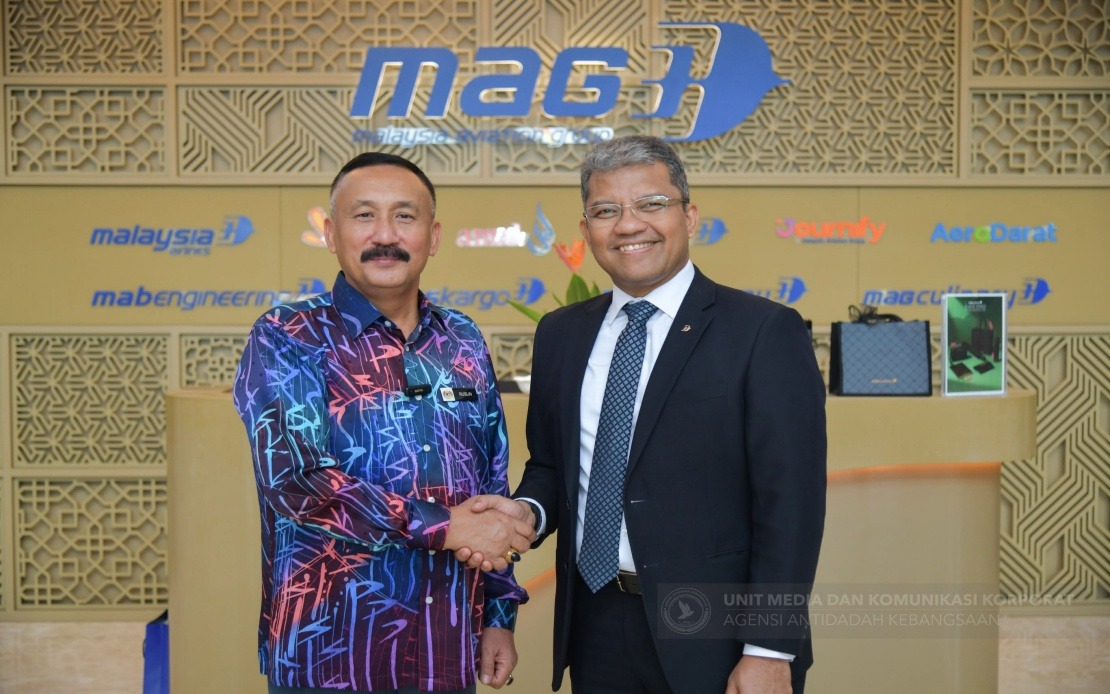
The National Anti-Drugs Agency (AADK) and Malaysia Aviation Group (MAG) have embarked on a strengthened collaborative effort to combat drug and substance abuse, signalling a renewed commitment to protecting Malaysia's aviation workforce from the escalating threats posed by narcotics. The partnership, formalized through a new memorandum of understanding, represents a strategic alliance between two critical pillars of Malaysia's public infrastructure—drug enforcement and national aviation services.
During a visit to MAG's headquarters in Sepang, AADK director-general Datuk Ruslin Jusoh outlined the scope and ambitions of the newly inked cooperation framework. The dialogue between the agency and Malaysia Airlines leadership focused on concrete measures to prevent substance abuse among the airline group's extensive workforce. This initiative underscores growing recognition that drug prevention in safety-critical industries demands specialized, coordinated approaches rather than generic public health interventions.
Central to the agreement is the deployment of the Drug-Free Workplace (TEKAD) initiative across MAG facilities and operations. This programme represents a proactive stance on workplace safety, acknowledging that aviation—an industry where split-second decisions determine passenger safety—cannot afford complacency regarding employee drug use. The implementation of TEKAD at Malaysia Airlines and affiliated companies signals that the aviation sector is taking preventive measures seriously rather than responding only after incidents occur.
For Malaysia's aviation industry, the implications are substantial. Flight crews, maintenance personnel, and ground staff occupy positions where impaired judgment or reduced alertness could trigger catastrophic consequences. By establishing drug-free workplace protocols before problems escalate, AADK and MAG are attempting to create a cultural shift that normalizes regular screening, counselling, and rehabilitation opportunities. This approach aligns with international best practices observed across global carriers and regulatory bodies.
Datuk Ruslin emphasized that the collaboration extends beyond Malaysia Airlines to encompass the broader ambitions of the AADK itself. The partnership leverages MAG's organizational reach and employee engagement infrastructure to amplify drug prevention messaging across a workforce numbering in the tens of thousands. By channelling anti-drug awareness through an existing employer structure, the initiative potentially reaches audiences more effectively than traditional government-led campaigns, as messaging comes embedded within workplace contexts where relevance is immediate and tangible.
The timing of this partnership reflects broader policy shifts within Malaysia's drug enforcement apparatus. Over recent years, the AADK has progressively shifted from purely punitive approaches toward prevention and rehabilitation frameworks. Collaborating with major employers demonstrates this evolution—rather than viewing drug abuse solely through a criminal justice lens, the agency increasingly recognizes that workplace partnerships can address demand-side factors before they manifest in enforcement crises.
For Malaysia Airlines specifically, this MoU carries competitive and reputational dimensions. International aviation stakeholders, particularly during contract negotiations and safety audits, increasingly scrutinize an airline's drug and alcohol policies. By demonstrating institutionalized preventive frameworks, MAG enhances its credibility with global partners, regulators, and insurance providers. The visible commitment to employee wellness also strengthens recruitment and retention advantages in a competitive labour market where skilled aviation professionals seek employers demonstrating genuine duty of care.
The involvement of AADK deputy director-general (Operations) Zainudin Abdullah alongside delegations from both organizations indicates this initiative carries institutional weight. Such high-level participation suggests the agreement moves beyond symbolic gesture toward substantive resource allocation and implementation planning. The presence of operational leadership implies that concrete timelines, performance metrics, and accountability mechanisms likely underpin the public announcement.
The Drug-Free Workplace initiative represents a departure from traditional deterrence models. Rather than relying primarily on post-incident testing and disciplinary action, TEKAD apparently emphasizes preventive screening, voluntary counselling, and rehabilitation pathways. This approach acknowledges that many employees struggling with substance abuse benefit more from support than punishment—a recognition particularly important in safety-critical industries where early intervention can prevent tragedies while preserving valuable trained personnel.
For Southeast Asia's aviation sector broadly, this Malaysian initiative may set precedent. As regional airlines face mounting pressure to demonstrate commitment to operational safety amid expanding passenger volumes and increased regulatory scrutiny, similar partnerships between national drug agencies and carriers could become standard practice. Malaysia's proactive step may inspire counterparts in neighbouring countries to establish comparable frameworks.
The collaboration also addresses supply-side vulnerabilities specific to aviation. Airports and airline facilities historically present opportunities for narcotics trafficking and employee diversion due to their operational complexity and international connectivity. By embedding anti-drug initiatives within MAG's security and human resources infrastructure, the partnership creates additional layers of detection and deterrence that complement broader law enforcement efforts.
Looking forward, the success of this MoU will depend on implementation fidelity and sustained commitment beyond the announcement phase. Aviation industry observers will monitor whether TEKAD deployment translates into measurable reductions in substance-related incidents, improved employee wellness outcomes, and enhanced safety metrics. Should this partnership yield demonstrable results, it could establish a replicable model for drug prevention in Malaysia's other critical infrastructure sectors, from transportation to healthcare to defence.
The AADK-MAG partnership ultimately reflects recognition that addressing drug abuse in modern Malaysia requires coordination across sectors and institutions. By bringing drug enforcement expertise together with aviation industry operational knowledge and workforce access, both organizations position themselves to tackle a persistent societal challenge through pragmatic, targeted intervention rather than broad rhetorical commitments.

