Melaka Chief Minister Datuk Seri Ab Rauf Yusoh has received complete authority to pursue negotiations with any political coalition in advance of the state election, according to Barisan Nasional chairman Datuk Seri Dr Ahmad Zahid Hamidi. The move signals BN's willingness to explore various cooperation arrangements to strengthen its electoral position in the crucial state, which has been a battleground among Malaysia's major political forces in recent election cycles.
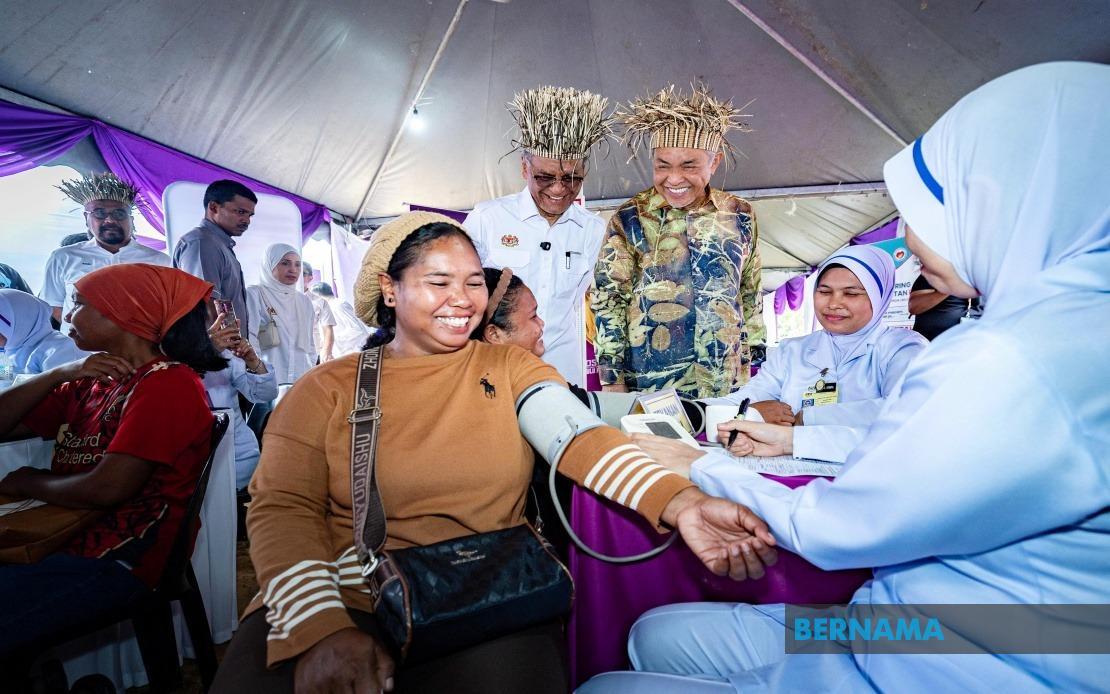
Ahmad Zahid, who also leads UMNO, made the announcement while officiating the launch of the 2026-2035 National Social Determinants of Health Strategic Plan for Orang Asli at Kampung Air Banun in Gerik. He expressed optimism that the negotiation process would proceed smoothly, though he acknowledged that discussions around seat allocation typically present challenges. The delegation of full negotiating powers to Ab Rauf represents a significant move in shaping BN's electoral strategy for Melaka, a state with substantial political and symbolic importance within the broader Malaysian political landscape.
The question of seat distribution remains one of the most sensitive aspects of coalition politics in Malaysia. Ahmad Zahid emphasised that while these discussions are inherently complex, they can be managed effectively through proper dialogue and good faith engagement. His comments suggest BN intends to approach negotiations with flexibility, acknowledging that creative solutions to seat allocation challenges are possible when all parties commit to finding workable arrangements.
Importantly, any agreements reached through Ab Rauf's negotiations will require multiple layers of approval before implementation. The terms must first be reviewed and approved by UMNO's top leadership, then forwarded to the BN Supreme Council for final ratification. This hierarchical approval process ensures that any deal reflects the consensus of BN's major components and maintains party discipline across the coalition structure. For Malaysian readers, this underscores how decision-making in multi-party coalitions requires balancing the autonomy granted to frontline negotiators with centralised coalition governance.
Pakatan Harapan has already indicated receptiveness to BN's openness on seat-sharing arrangements. Communications director Datuk Seri Fahmi Fadzil welcomed BN's flexibility and characterised the prospect of negotiations as a worthwhile opportunity that merits serious examination. This signals that PH, despite being BN's principal rival, sees potential value in exploring cooperative arrangements in Melaka, suggesting that the state's political dynamics may differ from national patterns where the two coalitions maintain more rigid opposition.
Perikatan Nasional, the third major force in Malaysian politics, has similarly positioned itself as open to discussions with BN regarding the Melaka election. Chairman Datuk Seri Dr Ahmad Samsuri Mokhtar's statement that PN stands ready for negotiations indicates the possibility of three-way discussions, or alternatively, separate bilateral engagements between BN and each of the other coalitions. This multiplicity of potential arrangements reflects the increasingly fluid nature of Malaysian coalition politics, where rigid blocks have given way to state-specific and election-specific negotiations.
BN had previously signalled its flexibility on seat arrangements, with Ahmad Zahid indicating on the preceding Saturday that the coalition would entertain not only traditional seat allocations but also seat swaps with other coalitions. The emphasis on honesty and good faith in these arrangements reflects an attempt to move beyond the transactional cynicism that sometimes characterises Malaysian political negotiations. By publicly committing to principled negotiations, BN appears to be positioning itself as a responsible coalition partner, which could have implications for its relationships with PH and PN in other electoral contests.
The strategic implications for Melaka are substantial. The state has experienced significant political volatility over the past decade, with governments changing hands between BN and opposition coalitions multiple times. This instability partly stems from the state's competitive electoral dynamics, where no single coalition commands overwhelming support. BN's willingness to negotiate cooperative arrangements suggests recognition that retaining or recapturing the state may require complex political agreements rather than outright electoral victories.
For Malaysian observers, these negotiations illustrate how state-level politics increasingly operates independently from national coalition configurations. That PH and PN might cooperate with BN in Melaka, even as they oppose it nationally, reflects the pragmatism now pervading Malaysian electoral politics. This pattern has emerged in other states and demonstrates how local political dynamics, incumbent performance, and specific grievances can override broader coalition loyalty, creating opportunities for unexpected political combinations.
The empowerment of Ab Rauf as chief negotiator also reflects confidence in his political standing and negotiating acumen. As the sitting chief minister, he possesses both leverage and credibility in discussions with other coalitions, as his track record and performance directly influence electoral outcomes. His central role in these negotiations suggests BN views the Melaka contest as sufficiently important to entrust it to experienced hands with considerable autonomy.
Looking ahead, the outcome of these negotiations will provide insights into the broader trajectory of Malaysian coalition politics. If BN successfully arranges cooperative agreements that strengthen its electoral position while maintaining party discipline, it could establish a template for future negotiations. Conversely, if negotiations falter or produce arrangements that alienate party members, it could signal constraints on coalition flexibility even when central leadership endorses such arrangements.
The timing of these negotiations, occurring well in advance of the election, allows adequate time for discussion, approval processes, and campaign preparation. Early negotiations also reduce the risk of last-minute political instability that could result from rushed agreements or unresolved disputes. For Malaysian readers concerned about political stability in the lead-up to the election, this deliberate timeline offers some reassurance, though the outcome remains inherently uncertain given the multiple parties involved and the complexity of satisfying diverse political interests.

