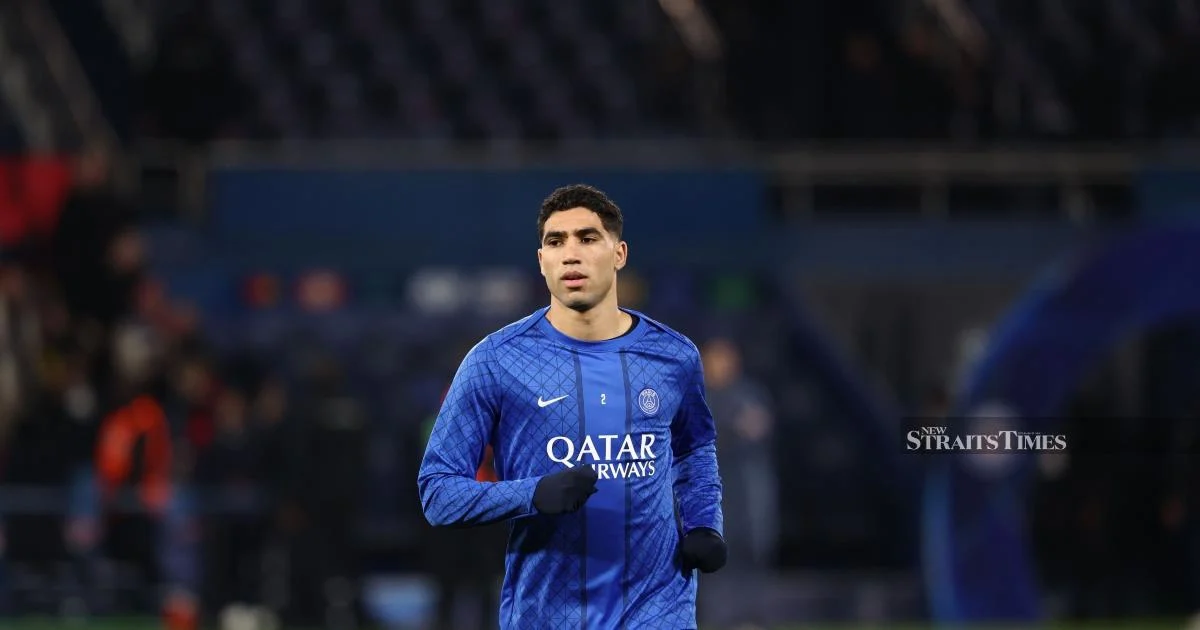
A French appeals court has confirmed that Moroccan footballer Achraf Hakimi will proceed to trial on rape charges, settling a key legal hurdle in a case that has drawn international attention to the intersection of elite sport and serious criminal allegations. The Versailles court's decision on Friday upholds an earlier ruling that there is sufficient evidence for the Paris Saint-Germain defender to face formal trial proceedings, rejecting any challenge to the prosecution's case.
Hakimi, who has represented Morocco at the highest levels of international football and played for several top European clubs including PSG, faces allegations stemming from an incident involving a young woman. The legal process in France has progressed from initial investigation through to this confirmation stage, where courts must determine whether evidence warrants proceeding to full trial. The appeals court's affirmation indicates that magistrates found the prosecution's evidence meets the threshold required for a trial to go forward.
This decision carries significant implications within professional football, a sport that has increasingly faced scrutiny over player conduct and how major clubs and governing bodies respond to serious allegations. The case arrives at a time when football's global governing bodies and national associations have come under pressure to demonstrate robust approaches to safeguarding and accountability. For Hakimi specifically, the ruling means he will now face the full adversarial process of a criminal trial where both prosecution and defence will present their cases before a court.
The confirmation of trial proceedings does not constitute a finding of guilt. French law presumes innocence until conviction, and the trial phase will involve detailed examination of evidence, witness testimony, and legal arguments from both sides. However, the court's decision that the case should proceed to trial indicates that investigating magistrates were satisfied sufficient prima facie evidence existed to warrant formal proceedings. This represents a critical juncture in Hakimi's legal situation, transforming his case from preliminary investigation into the public courtroom phase.
Hakimi's legal team has presumably exhausted initial appeal options with this Versailles court ruling. The progression to trial suggests that any defence challenges to the adequacy of evidence or procedural grounds were rejected or unsuccessful. Under the French judicial system, the confirmation of trial status is a formal acknowledgment by the court that the case meets evidentiary standards for prosecution, though final determination of the allegations remains with the trial court itself.
The case has broader resonance within African and Middle Eastern football circles, given Morocco's prominence in continental competition and the global recognition of its national squad. Hakimi's status as an internationally profiled athlete means the case has attracted media attention beyond France, with implications potentially extending to his career, contractual arrangements, and his ability to participate in international matches. Major tournaments and club competitions operate under rules that can affect player participation during ongoing legal proceedings.
For PSG, Hakimi's club, the situation presents both immediate and longer-term considerations. Top-tier European football clubs navigate complex issues when players face serious allegations, balancing contractual obligations with reputational concerns and the operational challenges of player availability. The progression of Hakimi's case to trial stage may influence decisions regarding his continued participation in club activities and fixtures.
The French legal system's approach to high-profile cases reflects broader European standards regarding the treatment of criminal allegations involving public figures. Courts in France have demonstrated willingness to proceed with prosecutions of prominent athletes and entertainment figures, a contrast to some jurisdictions where such individuals receive differential treatment. The Versailles appeals court's confirmation suggests adherence to procedural standards regardless of Hakimi's status.
The timeline for trial proceedings remains unclear, as French criminal trials can extend over considerable periods depending on case complexity, witness availability, and court scheduling. During this interim period, Hakimi's legal status creates an unusual situation where he operates under the presumption of innocence while formally accused and ordered to stand trial—a liminal state that affects both his personal circumstances and professional standing.
For supporters of Moroccan football and PSG alike, the court ruling introduces an extended period of uncertainty regarding Hakimi's availability and future involvement. International football calendars are demanding, and the intersection of legal proceedings with competitive schedules creates logistical complications for clubs and national associations. Morocco's football federation must consider how ongoing legal matters affecting national team players influence squad selection and preparation for major competitions.
The decision by the Versailles appeals court underscores ongoing evolution in how football addresses player conduct and allegations of serious misconduct. The sport has moved gradually toward accepting greater accountability, though implementation remains inconsistent across different jurisdictions and governing bodies. This case will likely inform discussions within European football regarding protocols for managing similar situations involving high-profile players.
As the case advances toward trial, the distinction between allegation and proven fact remains legally and ethically critical. French judicial procedures will now provide the formal venue for examining evidence and hearing from relevant parties. The appeals court's confirmation has cleared the path for that examination to proceed, but determination of the allegations themselves remains pending.

