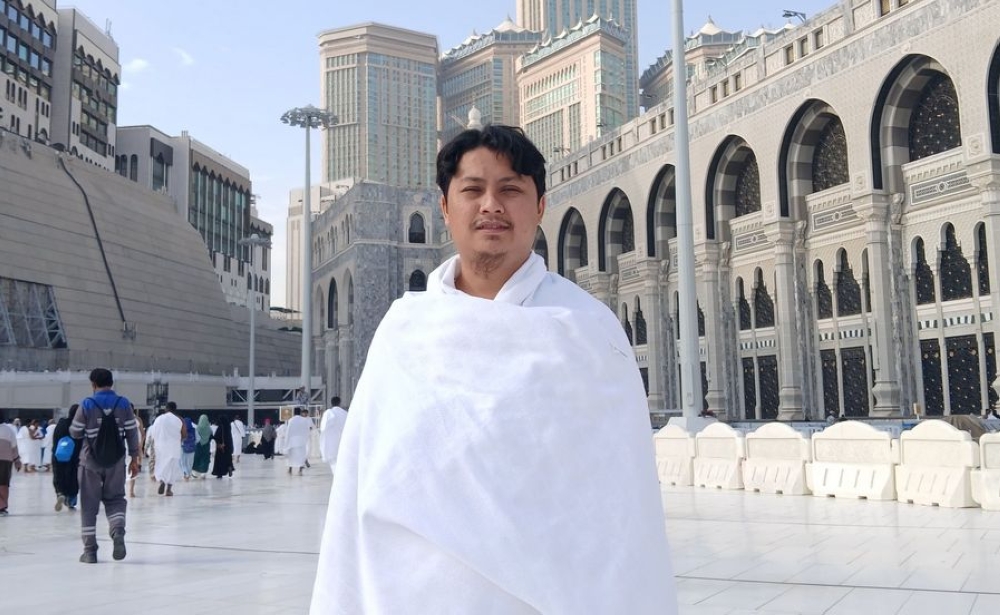
Activist Tamim Dahri Abdul Razak found himself back in police custody in Alor Setar on July 20 as authorities moved to deepen their investigation into his alleged activities. The re-arrest followed the conclusion of a two-day remand period, indicating that investigators believe they have sufficient grounds to pursue additional allegations beyond those originally considered.
The decision to re-arrest Dahri rather than release him underscores the seriousness with which police are treating the case. Two-day remand periods in Malaysia are typically granted when authorities require time to gather evidence, conduct interviews, and establish the legal foundation for charges. The fact that police sought an extension through re-arrest suggests they identified new angles during their initial questioning or uncovered additional material relevant to their investigation.
Dahri's case reflects the complex landscape of activism and dissent in Malaysia, where the boundaries between legitimate political expression and conduct that authorities view as unlawful remain contested. Activists and civil society observers have consistently raised concerns about the use of remand procedures and arrest powers in cases involving vocal political figures, particularly those who operate outside mainstream political structures.
The timing of the re-arrest and the preparation of charges for court presentation the following day indicates that police had a specific timeline in mind for advancing the case. This procedural approach allows authorities to maintain custody while formally lodging allegations before a judicial officer, who will then determine whether to grant bail and set conditions for the defendant's release pending trial.
For observers of Malaysian legal and political dynamics, such developments carry implications beyond the individual case. The manner in which police handle arrests, remand applications, and charging decisions in high-profile activist cases often sets precedents and establishes expectations for how authorities will treat similar matters. The Dahri case thus becomes a data point in broader conversations about civil liberties, police powers, and the political space available for dissent in the country.
The re-arrest also raises questions about what investigators discovered during their initial two days with Dahri. Police typically use remand periods to pursue specific lines of inquiry, examine documents, cross-reference witness statements, and build the evidentiary foundation necessary to proceed with formal charges. The decision to seek additional remand suggests they completed this groundwork and identified matters requiring further investigation or clarification.
In Malaysia's federal system, the role of state-level police forces in conducting investigations and the subsequent involvement of district magistrates in considering remand applications represents a significant concentration of authority at the local level. For activists operating in states like Kedah, where Alor Setar serves as the capital, understanding these institutional dynamics becomes crucial for predicting how authorities might respond to perceived challenges to public order or official policies.
The context of activism in Malaysia has evolved considerably over recent years, with civil society organisations and individual activists increasingly engaging in public advocacy around issues ranging from governance and environmental protection to labour rights and religious freedom. The treatment of prominent activists through the criminal justice system therefore carries symbolic weight that extends far beyond individual prosecutions, affecting the willingness of others to participate in similar advocacy.
As Dahri faced the prospect of appearing before the courts with fresh charges, observers noted that the case exemplified recurring patterns in Malaysia where activists experience extended police custody, multiple remand extensions, and a succession of charges that can extend legal proceedings over months or years. This approach to criminal justice administration has drawn criticism from human rights monitors, who argue that it can function as a form of attrition, draining resources from accused persons and their support networks while maintaining pressure through the legal system.
The coordination between police investigators and prosecutorial authorities in deciding what charges to present represents another significant juncture in Dahri's case. These decisions reflect not merely the facts established during investigation but also prosecutorial judgment about which allegations carry sufficient legal foundation and practical viability for pursuit in court. The charges ultimately presented would become the basis for judicial determinations about bail and the eventual merits of the case.
Regional observers and international human rights organisations have frequently highlighted Malaysia as a jurisdiction where broad statutes and police discretion create vulnerability for political activists and vocal critics of government. The Dahri case, occurring against this wider backdrop, will likely attract attention from constituencies concerned with freedom of expression and assembly in Southeast Asia, where multiple countries grapple with similar tensions between security and civil liberties.

