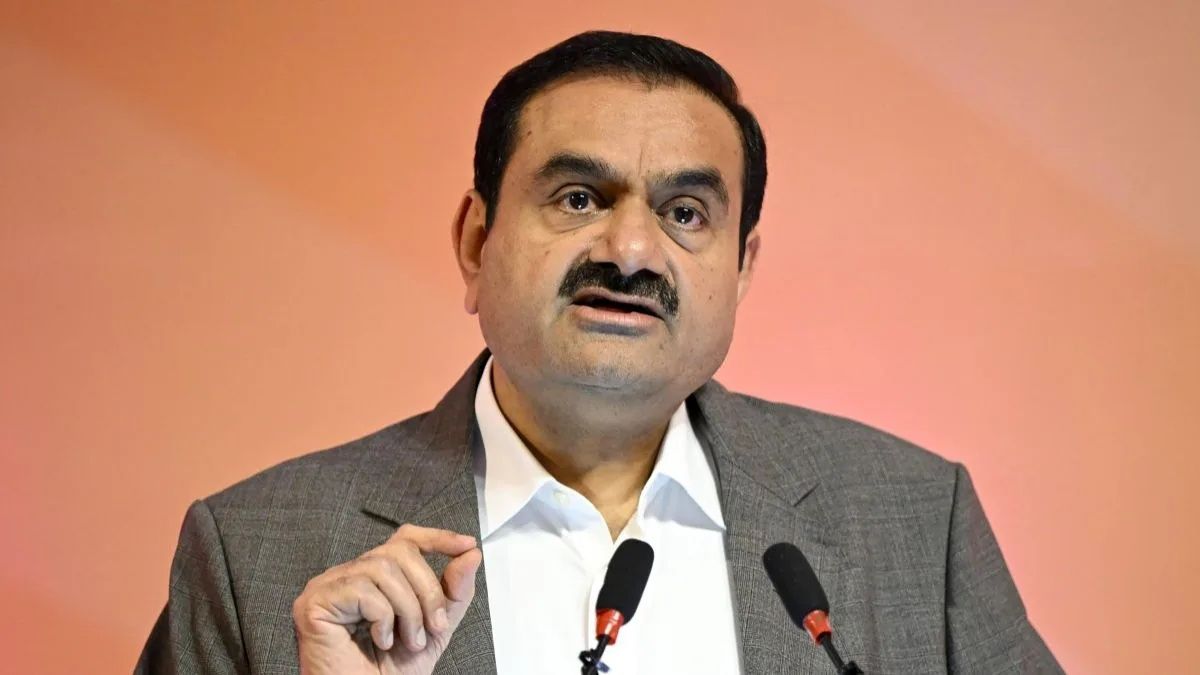
For the first time, billionaire Gautam Adani has publicly confirmed through sworn court documents that his legal representatives discussed a proposed US$10 billion investment in America as a potential component of resolving the criminal and civil cases against him. The acknowledgment came in an affidavit filed before the US District Court for the Eastern District of New York on Tuesday, marking a significant moment of transparency in a matter that has captivated financial and political observers across Asia and the West.
The timing of this disclosure is notably significant for Indian business circles and Southeast Asian investors closely watching how New Delhi manages complex relationships with Washington. The affidavit explicitly states that the United States Department of Justice rejected the investment proposal during settlement discussions, emphasising that this rejection occurred well before authorities eventually moved to dismiss the criminal charges. This sequence of events matters considerably to observers concerned about the appearance of impropriety in international legal settlements, particularly when enormous sums and geopolitical interests intersect.
Adani's sworn statement clarifies that he understood his counsel had presented the investment plan during negotiations with both the DOJ and the US Securities and Exchange Commission, framing it as a possible element of a broader resolution if American authorities were amenable to considering it. The billionaire was particularly careful to note in his affidavit that he believed the Justice Department had made clear it "would not consider this potential investment in deciding whether to seek dismissal of the criminal case." This explicit rejection by federal prosecutors became crucial context, as it separated any suggestion that Adani had attempted to leverage investment promises to influence legal outcomes.
The genesis of this investment proposal traced back to an announcement Adani made on social media on November 13, 2024, when he publicly committed the Adani Group to investing US$10 billion in American energy security and resilient infrastructure initiatives. At that time, according to the affidavit, neither the criminal indictment nor the SEC enforcement action had yet become public knowledge, and Adani maintained he was entirely unaware of either filing. The scale of the proposed investment was substantial enough to catch attention across energy and infrastructure sectors, with projections suggesting the initiative could generate up to 15,000 jobs across American communities.
The court proceedings that prompted this disclosure stemmed from questioning by US District Judge Nicholas Garaufis, who specifically directed Adani to address whether any promises, offers, or agreements had been exchanged in return for the Justice Department's decision to pursue dismissal. This judicial scrutiny reflected broader concerns about maintaining the integrity of American legal processes, particularly in cases involving international figures and cross-border commerce. The judge's inquiry was sufficiently pointed to require clear and unambiguous answers from the defendant himself, moving beyond what his attorneys might characterise in their own submissions to the court.
Responding directly to the court's concerns, Adani stated categorically that he possessed no knowledge of any promise, offer, or agreement connected to the criminal case's dismissal. He further testified that he was unaware of any arrangement whereby something of value had been exchanged for the withdrawal of criminal charges, with the sole exception being settlement discussions specifically related to the SEC proceedings and a separate investigation by the Office of Foreign Assets Control, a Treasury Department division responsible for enforcing international sanctions compliance.
Adani's primary attorney, Robert Giuffra, provided his own declaration to the court offering context about how the investment proposal was presented during negotiations. According to Giuffra's account, the investment concept was framed using what legal practitioners describe as a "collateral consequences" argument—a standard component of settlement discussions designed to demonstrate the broader ripple effects that pending legal charges might create for the defendant's business operations, employees, and international relationships. In this instance, the argument sought to illustrate how the unresolved charges could potentially disrupt the Adani Group's planned American investments and harm the developing commercial relationship between India and the United States more broadly.
Crucially, Giuffra's declaration included specific documentation of the federal government's rejection. According to his account, US Attorney Joseph Nocella explicitly informed the defence team on May 11 that any proposal to resolve the criminal case through the planned investment framework was "categorically rejected" and would not be entertained as part of settlement discussions. This contemporaneous written rejection by federal prosecutors created an objective record that the investment proposal had been definitively shut down by authorities long before any eventual resolution was reached in the case.
The significance of this timeline cannot be overstated for Malaysian and regional business leaders monitoring how international criminal cases involving major business figures are resolved. The record shows the defence did not pursue the investment proposal any further after receiving Nocella's rejection, and the concept was not subsequently incorporated into whatever final resolutions were eventually negotiated with the DOJ, SEC, or OFAC. This sequence suggests that the eventual dismissal of charges proceeded through entirely separate pathways and reasoning than the investment proposal mechanism that had been floated and rejected months earlier.
For observers in Southeast Asia and India concerned about how Western legal systems handle cases involving non-Western business magnates, the Adani matter raises important questions about transparency and process. The fact that Adani felt compelled to file detailed affidavits explaining the investment proposal, and that his attorneys needed to provide contemporaneous documentation of its rejection, reflects the heightened scrutiny surrounding any appearance of correlation between substantial financial commitments and legal outcomes. These dynamics matter significantly to multinational corporations and wealthy entrepreneurs across the region who increasingly face regulatory scrutiny from American authorities.
The broader context involves how international business relationships, geopolitical considerations, and legal accountability interact within American judicial frameworks. The Adani case demonstrates that even when substantial investments are proposed, American prosecutors maintain independence in their prosecutorial decisions, a principle that carries implications for how future cases involving international figures and investment proposals might be evaluated. For Malaysian businesses and leaders, this episode serves as a reminder of the importance of maintaining clear separation between business negotiations and legal defence strategies when dealing with American authorities.
The Adani situation also reflects the complex position India occupies in American foreign policy calculations. While the United States and India have deepening strategic relationships in Southeast Asia and the Indo-Pacific, this reality does not appear to have influenced federal prosecutors' decisions about pursuing or dismissing cases based on the merits and evidence involved. The meticulous documentation of the investment proposal's rejection and the subsequent affidavits underscore how American legal institutions maintain institutional independence even when prominent international figures from strategically important nations are involved in litigation.

