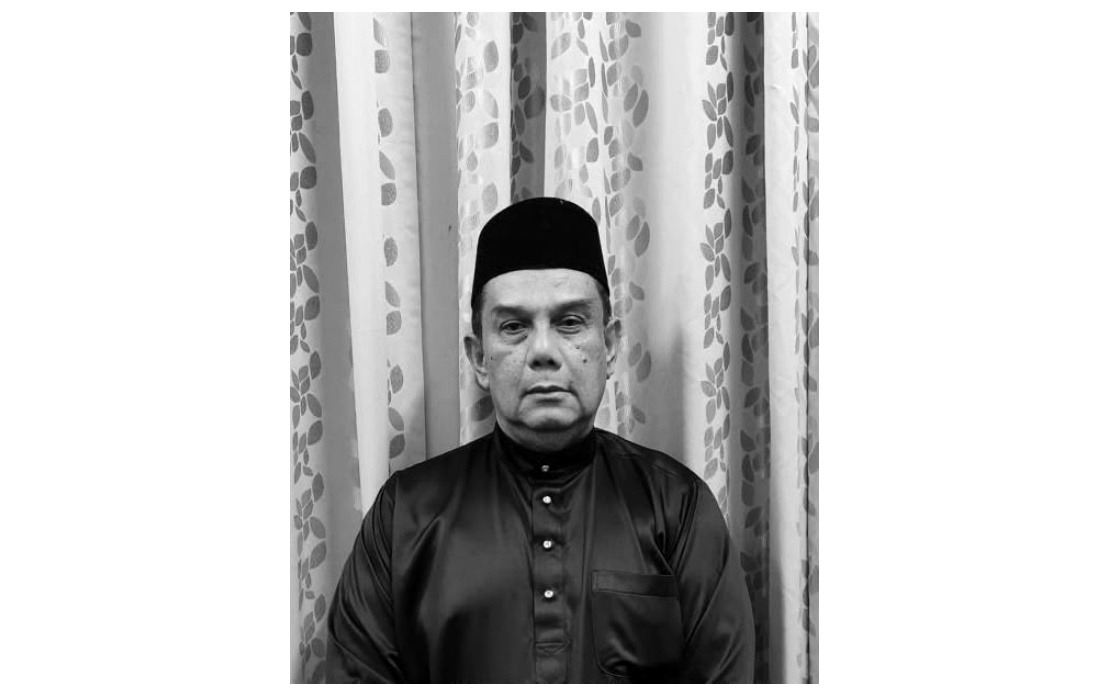
Datuk Jailani Harun, the diplomatic officer to UMNO president Datuk Seri Dr Ahmad Zahid Hamidi and a veteran journalist, has died at Hospital Serdang in Kuala Lumpur. His passing occurred at 11.34 am on July 7, with the announcement made through the Office of Deputy Prime Minister and subsequently confirmed by his eldest daughter, Nabilla, 33, when she spoke to news agencies today.
Jailani's career trajectory reflected the interconnected nature of Malaysian political communication and diplomacy. His background as a journalist positioned him uniquely within the corridors of power, where understanding media dynamics and public perception remains crucial for political figures navigating the complexities of contemporary governance. His appointment as a diplomatic officer underscored the value placed on individuals who could bridge the gap between political leadership and public discourse.
The funeral arrangements reflect customary Islamic practices observed among Malaysia's political elite. His body will be transported to Al-Mubarakah Mosque in Taman Bukit Cheras, where funeral prayers will be conducted. Following the completion of Asar prayers, Jailani will be laid to rest at the Alam Damai Cheras Cemetery, a location that serves the Kuala Lumpur area and accommodates members of the community from various walks of life.
Communications Minister Datuk Fahmi Fadzil extended formal condolences to Jailani's family and associates, recognizing the loss within the broader political and administrative community. His statement, conveyed through social media, reflected standard protocols observed when public figures pass away, emphasizing the importance of compassion and spiritual reflection during moments of grief. The minister invoked religious sentiments appropriate to the occasion, expressing hope that divine mercy would be extended to the deceased.
The loss of Jailani represents a departure from the immediate circle surrounding Ahmad Zahid, whose position as UMNO president places him among the most influential figures in Malaysian politics. The UMNO party, with roots extending decades into Malaysia's political history, relies on networks of advisors and officers who assist in managing party affairs, coordinating communications, and navigating the intricate landscape of Malaysian governance. Such positions typically involve individuals with substantial experience in media, political strategy, or diplomatic relations.
Jailani's role as a diplomatic officer would have involved facilitating communications between Ahmad Zahid and various stakeholders, managing official engagements, and ensuring that the UMNO president's messaging resonated appropriately across different audiences. In contemporary Malaysian politics, where media representation and public opinion significantly influence political fortunes, individuals occupying such positions carry considerable responsibility. The transition from journalism to diplomatic work suggests Jailani possessed the communication skills and political acumen necessary for managing sensitive matters.
The timing of his death occurs within a period of substantial political activity in Malaysia. Ahmad Zahid's leadership of UMNO and his broader political influence within the coalition government continue to shape national political dynamics. The loss of experienced advisors and officers within leadership circles can create organizational gaps that require careful management. Successors to such positions must quickly establish credibility and understand the nuances of the role, particularly when it involves representing a major political figure like the UMNO president.
Jailani's background in journalism carries significance beyond his specific role. Malaysian journalism has historically served as both a Fourth Estate and an avenue for individuals seeking to influence political discourse. His transition into diplomatic service reflects patterns seen among accomplished communicators who progress into advisory or representative positions within political structures. This movement between media and politics continues to characterize Malaysian public life, with professionals recognizing that both fields require sophisticated understanding of messaging, stakeholder management, and political sensitivities.
The expressions of condolence from government officials underscore the interconnected nature of Malaysia's political establishment. When individuals within political circles pass away, responses from ministerial colleagues and party associates typically acknowledge both personal loss and the gaps created within institutional structures. Such acknowledgments also serve to reinforce networks of solidarity within the ruling coalition, demonstrating that even amid political differences, basic human respect and recognition of shared losses remain operative.
For the broader Malaysian political community and administrative apparatus, Jailani's passing serves as a reminder of the dedicated individuals who work behind the scenes to facilitate governance and political management. While senior politicians dominate public attention, officers and advisors performing diplomatic and communication functions are essential to ensuring that government operates effectively. The loss of such professionals, particularly those with extensive experience, creates challenges for the institutions they served.

