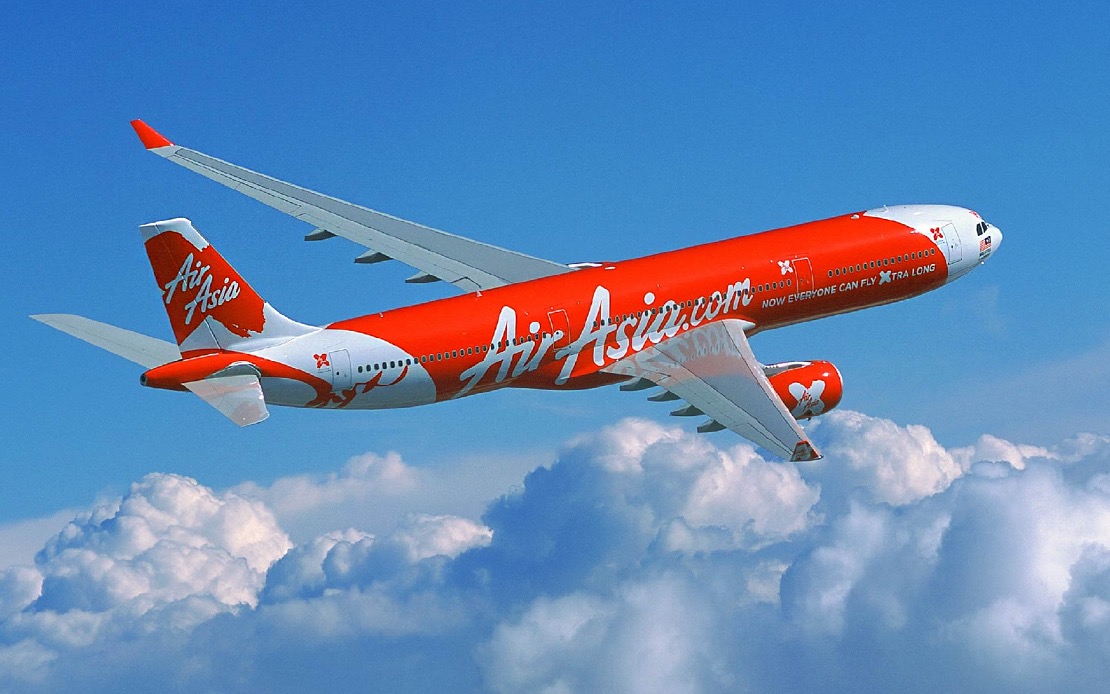
AirAsia has launched direct air service between Jakarta and Kota Bharu, marking a strategic expansion in Southeast Asian connectivity designed to unlock substantial tourism and economic benefits for Malaysia's northeastern region. The inaugural flight, AK2354, touched down at Sultan Ismail Petra Airport on Tuesday afternoon carrying 117 passengers—predominantly travellers from Indonesia, Thailand, the Philippines and other regional nations alongside Malaysian citizens. Operating an Airbus A320 with capacity for 180 travellers, the service achieved a respectable load factor of approximately 63 per cent on its maiden voyage, signalling solid market demand for this previously unserved route.
The timing of this launch carries particular strategic weight within Malaysia's broader tourism repositioning agenda. The new route directly supports the Visit Malaysia 2026 campaign, a national initiative designed to attract foreign visitors and cement Malaysia's position as a premier Southeast Asian destination. According to Tourism Malaysia, Indonesia represents one of the country's most valuable visitor source markets, with bilateral air capacity between the nations reaching 114,806 seats weekly across 634 flights as of April 2026. This Jakarta-Kota Bharu service substantially increases accessibility for Indonesian travellers who previously faced no direct routing option, potentially unlocking significant new visitor volumes from a neighbouring country with which Malaysia shares deep cultural and religious ties.
Kelantan stands to become the primary beneficiary of this connectivity improvement. The state possesses distinctive tourism assets that appeal strongly to Southeast Asian visitors seeking authentic cultural and heritage experiences. Tourist attractions including Pasar Siti Khadijah, the historic Kampung Laut Mosque, Kampung Kraftangan and Stong Geopark offer experiences that resonate with regional travellers prioritising cultural immersion over conventional resort-based tourism. The direct Jakarta connection effectively positions Kota Bharu as a primary entry point for visitors who might otherwise default to Kuala Lumpur or Penang, potentially reversing tourism spending patterns that have traditionally concentrated in the Klang Valley and Strait of Malacca regions.
Beyond leisure tourism, stakeholders highlight medical tourism as an emerging opportunity. The health sector represents a high-value segment where Indonesia, despite its substantial population, has faced capacity constraints in certain specialised treatments. Indonesian patients seeking cardiac care, dental procedures, orthopaedic interventions and other medical services have traditionally travelled to Singapore or Thailand; the Kota Bharu connection potentially redirects this spending toward Malaysian healthcare providers. This diversification of tourism revenue streams reflects sophisticated positioning that moves beyond conventional beach and heritage tourism toward higher-margin services that generate employment across medical, hospitality and logistics sectors.
The route's regional implications extend well beyond bilateral Malaysia-Indonesia dynamics. Tourism officials explicitly identify Kota Bharu's potential as a transit hub connecting to southern Thailand and East Coast resort destinations. Travellers arriving from Jakarta can now access beach resorts in Terengganu, adventure tourism in Pahang and cultural attractions throughout the East Coast corridor without routing through Kuala Lumpur. This capability transforms Kota Bharu from a peripheral destination into a genuine regional interchange, potentially capturing traveller spending across multiple states and generating multiplier economic effects throughout the East Coast region. The enhanced connectivity supports economic integration that benefits beyond tourism—trade missions, business partnerships and investment flows naturally follow expanded air links.
People-to-people connectivity represents another dimension worthy of serious consideration. Direct flights facilitate personal travel, family visits and cultural exchange that transcend commercial tourism metrics. The service enables Indonesian students, professionals and families to maintain regular connections with Malaysian counterparts, strengthening social networks that underpin economic cooperation and mutual understanding. In Southeast Asia's political economy, where regional stability depends partly on civilian-level relationships balancing governmental interactions, these human connections carry strategic significance beyond narrow tourism accounting.
AirAsia's strategic positioning merits examination alongside broader airline industry trends. The carrier has systematically developed point-to-point networks connecting secondary cities across Southeast Asia, deliberately avoiding the hub-and-spoke dominance that characterises legacy carriers. By operating the Jakarta-Kota Bharu route, AirAsia demonstrates commitment to underserved markets where sufficient demand exists but where traditional carriers decline presence. This approach generates two strategic outcomes: it establishes AirAsia as the natural carrier for this market segment, and it extends its network reach into regions where competitor presence remains minimal. For Kelantan and the East Coast, this translates into stability—a major international carrier commits long-term resources to the market because the route aligns with corporate strategy rather than representing peripheral opportunity.
The load factor achieved on the inaugural flight warrants attention. At 63 per cent, the service demonstrates adequate but not exceptional demand. This represents healthy performance for a newly launched route where awareness remains nascent among potential travellers. Importantly, this metric suggests that services generally below 70 per cent load factors face viability questions, meaning management expects trajectory toward higher capacity utilisation through marketing and seasonal patterns. Indonesian long-holiday periods, major religious observances like Eid al-Fitr and Eid al-Adha, and school vacation windows likely generate seasonal peaks that support year-round operations. The airline has clearly assessed multi-year demand patterns sufficiently favourable to justify aircraft deployment.
Governmental tourism promotion strategy deserves examination as well. Tourism Malaysia's institutional endorsement signals government commitment to distributing tourism benefits beyond peninsular heartlands. Malaysia's tourism economy historically concentrated investments in Kuala Lumpur, Penang and developed resort destinations, leaving less-developed states with limited international connectivity. By actively promoting connectivity improvements such as this AirAsia service, Tourism Malaysia addresses spatial inequality in visitor distribution. This geographic redistribution supports policy objectives around inclusive economic growth—visitor spending in Kelantan supports different economic stakeholders than Kuala Lumpur tourism, potentially benefiting lower-income communities and rural residents through hospitality employment and supporting service sectors.
The Indonesian market specifically offers substantial untapped potential. With population exceeding 270 million, Indonesia represents one of Southeast Asia's largest but least-utilised visitor sources for Malaysian tourism. Proximity, cultural commonality and relatively modest travel costs make Indonesia ideal for Malaysian tourism expansion. However, competing destinations—Thailand, Singapore and domestic Indonesia options—have historically captured dominant market share. Direct Kota Bharu service addresses structural barriers preventing Indonesian travellers from easily accessing Kelantan's distinctive offerings. As awareness builds and word-of-mouth travel recommendations circulate through Indonesian networks, passenger volumes should increase materially from this inaugural baseline.
Economic impact analysis suggests consequences extending throughout Kelantan's hospitality, transportation and retail sectors. Hotels require renovation and expansion to accommodate systematic visitor growth. Ground transportation services, from taxis to tour operators, require investment in vehicles and personnel. Restaurants, souvenir retailers and entertainment venues benefit from expanded customer bases. Small business owners in traditional sectors gain market access previously unavailable. These multiplier effects generate employment across economic strata, supporting diverse income classes rather than concentrating benefits among large commercial operators. Kelantan's economy, historically dependent on agriculture and traditional manufacturing, gains contemporary service sector opportunities.
Looking forward, this route's success matters substantially for Visit Malaysia 2026's objectives. The campaign requires measurable visitor increases across Malaysia's regions—concentrated growth in Kuala Lumpur and established resorts insufficient for credible national tourism repositioning. Routes such as Jakarta-Kota Bharu directly enable visitor dispersal that supports campaign narratives about expanding Malaysia's tourism footprint. If this service succeeds in driving meaningful Indonesian visitor growth to Kelantan, it establishes a model applicable to other underserved Malaysian destinations, potentially inspiring similar connectivity initiatives and broader regional tourism networks. Conversely, limited success would highlight challenges in converting enhanced connectivity into actual visitor growth, informing future tourism strategy calibrations.

