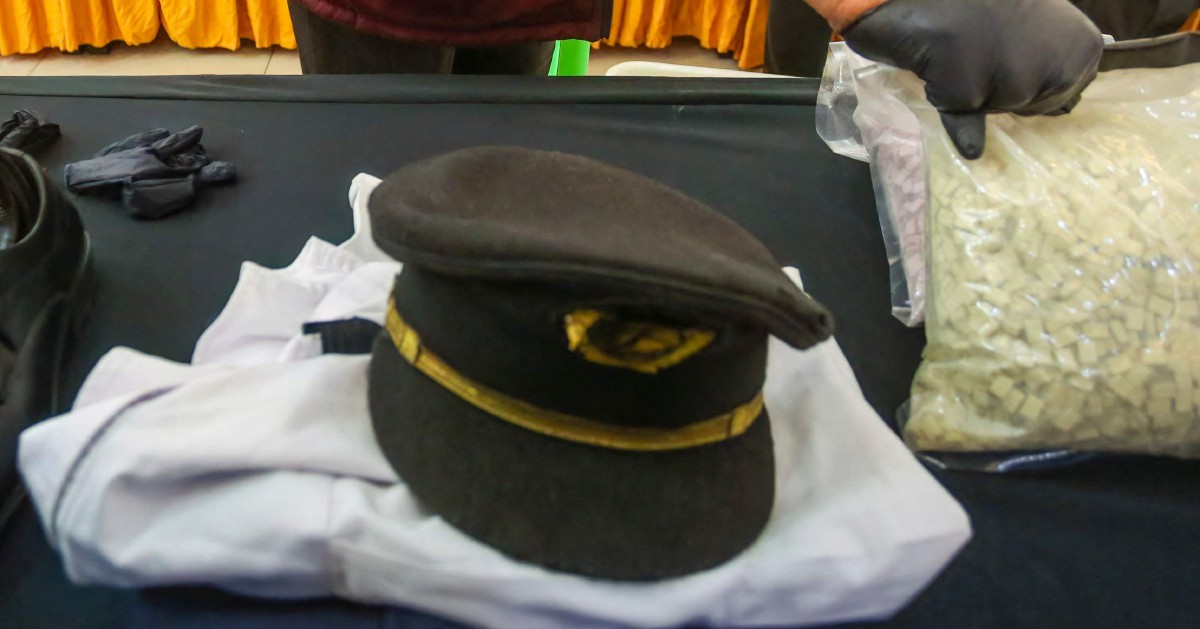
Authorities in Selangor have identified an airport worker in his 30s as a pivotal figure in their widening investigation into how a Malaysia Airlines pilot allegedly succeeded in moving narcotics through Kuala Lumpur International Airport security procedures without detection. The development marks a significant shift in the case's focus, suggesting investigators are examining possible breaches or lapses at the operational level within KLIA's security infrastructure.
The inquiry centres on establishing whether systematic security vulnerabilities existed that could have enabled the pilot to transport prohibited substances through checkpoint screening, or whether any airport personnel may have inadvertently or deliberately facilitated such a breach. The identification of the airport employee indicates that police are pursuing multiple investigative threads simultaneously, casting a wider net than initial media reports suggested.
This case carries particular sensitivity given Malaysia Airlines' efforts to rebuild public confidence following previous high-profile incidents that damaged the carrier's reputation internationally. Any suggestion of internal security failures at the national carrier or its associated infrastructure carries substantial reputational implications for both the airline and Malaysia's aviation industry as a whole.
The involvement of KLIA, Malaysia's primary international aviation gateway handling millions of passengers annually, underscores the gravity with which authorities are treating this matter. Breaches in airport security protocols, whether inadvertent or intentional, can have cascading consequences for the facility's operational integrity and its standing among international aviation partners and regulatory bodies.
Malaysia's commitment to robust airport security has been central to its aviation sector's reputation recovery efforts in recent years. Any investigation suggesting potential security gaps must therefore be handled with meticulous attention to procedural rigour and transparency, as these elements directly influence international confidence in the nation's aviation infrastructure.
The timing of such an investigation also occurs within a broader context of heightened scrutiny on substance abuse among aviation professionals globally. Pilots occupy positions of extraordinary responsibility, and any credible suggestion of drug involvement demands immediate, thorough investigation to protect public safety and maintain the integrity of commercial aviation operations.
Police inquiries of this nature typically involve examination of security camera footage, access control records, staff movement logs, and interviews with multiple personnel who may have direct or tangential knowledge of relevant events. The identification of a specific person of interest suggests investigators have gathered preliminary evidence warranting more focused questioning.
For airport security personnel and ground staff, this investigation may prompt a broader reassessment of protocols, training procedures, and oversight mechanisms designed to prevent security breaches. Such reviews, while potentially disruptive to normal operations, can ultimately strengthen institutional safeguards against future incidents.
The investigation's progression will likely depend on cooperation between multiple agencies, including the Royal Malaysia Police, aviation authorities, Malaysia Airlines management, and KLIA operators. Coordinated inter-agency efforts are essential for establishing a complete factual account and identifying any systemic improvements needed.
From a regulatory perspective, this case may influence how civil aviation authorities approach staff vetting, training requirements, and periodic security audits at major international airports. Southeast Asian aviation regulators often watch how regional peer nations address security challenges, and Malaysia's handling of this investigation will contribute to broader industry standards and best practices.
The broader implications for passenger confidence cannot be overlooked. Travellers depend on the assurance that airport security procedures function as designed and that all personnel operating within these systems maintain the highest standards of integrity and adherence to protocols. Public disclosure of investigations must therefore be balanced carefully against the need for operational transparency and reassurance.
While the person of interest has been identified, the investigation remains ongoing, and no charges have yet been reported. The coming weeks will prove crucial in determining whether sufficient evidence emerges to support formal charges, and whether findings suggest isolated misconduct or structural vulnerabilities requiring systemic remediation at KLIA or within Malaysia Airlines' internal security procedures.

