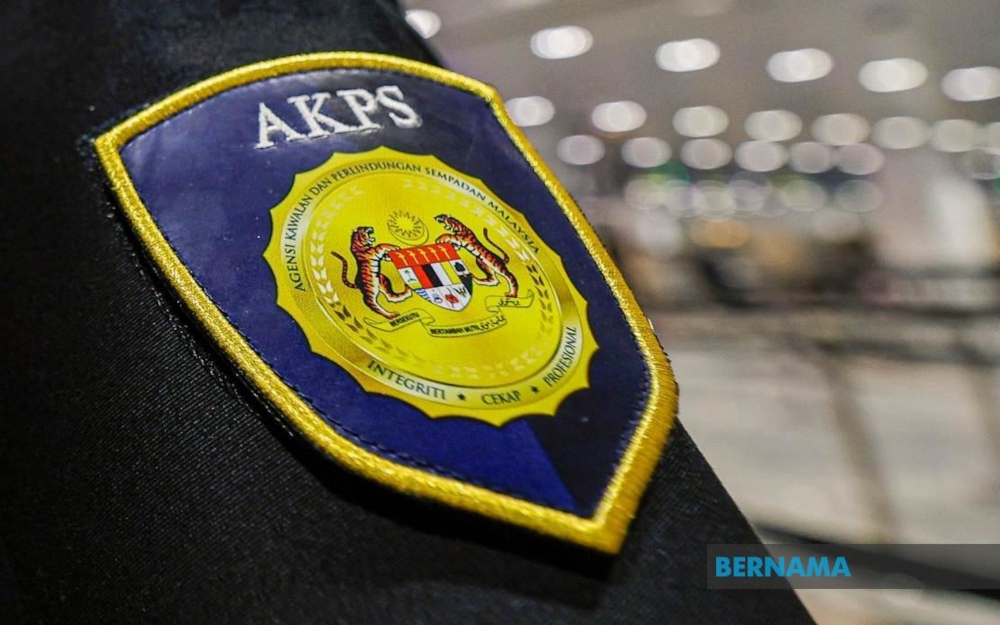
The Malaysian Border Control and Protection Agency (AKPS) has commenced an internal investigation into claims that a frontline officer at Kuala Lumpur International Airport 2 (KLIA2) allegedly received an unauthorised RM100 payment through a personal QR code, marking a notable shift in how potential graft may manifest at Malaysia's busiest aviation gateway. The incident has prompted heightened scrutiny of payment mechanisms used by passengers and border personnel, particularly as digital transactions become increasingly commonplace in Malaysia's travel infrastructure.
The allegation centres on a direct financial transaction conducted outside official airport channels, suggesting the officer may have solicited or accepted payment in a manner that circumvents normal oversight procedures. The use of a personal QR code—a contactless digital payment method tied to an individual's mobile banking application rather than an institutional account—indicates a deliberate attempt to shield the transaction from institutional detection. This payment method presents enforcement challenges for authorities, as such transfers can be rapidly executed and obscured among legitimate personal transactions.
KLIA2, which serves as a primary international gateway for Malaysia and the broader Klang Valley region, processes hundreds of thousands of passengers monthly across its terminals. The prominence of such allegations at this facility carries particular significance given Malaysia's ongoing efforts to enhance border security and combat corruption within government agencies. Any breakdown in the integrity of border control procedures could compromise both traveller confidence and the nation's international standing regarding customs and immigration administration.
The AKPS investigation will likely examine multiple dimensions of the incident, including whether the officer acted independently or as part of a broader scheme, the circumstances under which the payment was allegedly solicited, and the identity and nationality of the passenger involved. Investigators will need to determine whether this represents an isolated incident or symptomatic of systemic vulnerabilities in how KLIA2 personnel interact with international arrivals. Cross-referencing with financial and telecommunications data may prove essential in establishing the sequence of events and participants.
From a procedural standpoint, the allegation underscores growing concerns about the adequacy of internal controls at Malaysia's international airports. Traditional corruption detection mechanisms—which typically focus on cash exchanges or obvious favours—may be increasingly ineffective against digital payment channels that facilitate rapid, discreet transfers. The Malaysian authorities' ability to detect such transactions depends partly on post-facto analysis of banking records and voluntary disclosure, creating temporal gaps in which misconduct could recur undetected.
The incident arrives during a period of sustained international scrutiny on corruption and governance standards across Southeast Asia. Malaysia has been working to strengthen its anti-corruption framework through initiatives including enhanced asset declarations for public officials and technological monitoring systems. However, the sophistication of methods used to circumvent these safeguards—such as leveraging personal QR codes—suggests that enforcement agencies must continuously adapt their detection and prevention strategies.
For travellers transiting through KLIA2, particularly those arriving or departing Malaysia, such allegations may raise concerns about whether unofficial payments might be demanded at immigration or customs checkpoints. The transparency and professionalism of border procedures directly influence international perceptions of Malaysia as a travel destination and commercial hub. Any erosion of confidence in the integrity of these processes could have downstream effects on tourism and business travel patterns.
The investigation also raises broader questions about how Malaysia's border agencies can leverage technological solutions to prevent financial misconduct. Institutional safeguards might include monitoring officers' personal financial accounts for suspicious deposits, implementing biometric verification systems that create immutable transaction records, or deploying AI-powered systems that flag unusual patterns in payment data. Such measures, while raising privacy considerations, could substantially reduce opportunities for illicit financial arrangements.
Looking forward, the AKPS findings will likely inform policy discussions around digital payment governance for public sector employees. The agency may recommend strengthened protocols for duty-free zones and international transit areas, where physical supervision of officers can be challenging. Coordination with Malaysia's financial intelligence unit and the Malaysian Anti-Corruption Commission may provide additional investigative pathways and enforcement mechanisms.
The resolution of this particular case will carry implications for how Malaysian authorities approach emerging corruption methodologies in the digital age. As border agencies worldwide grapple with similar challenges—balancing operational efficiency with security and integrity—Malaysia's response to this KLIA2 allegation will serve as an instructive example of institutional capacity to detect and address misconduct in increasingly digitised environments. The outcome will test whether existing governance frameworks remain adequate or require fundamental restructuring to address evolving threats to border administration integrity.

