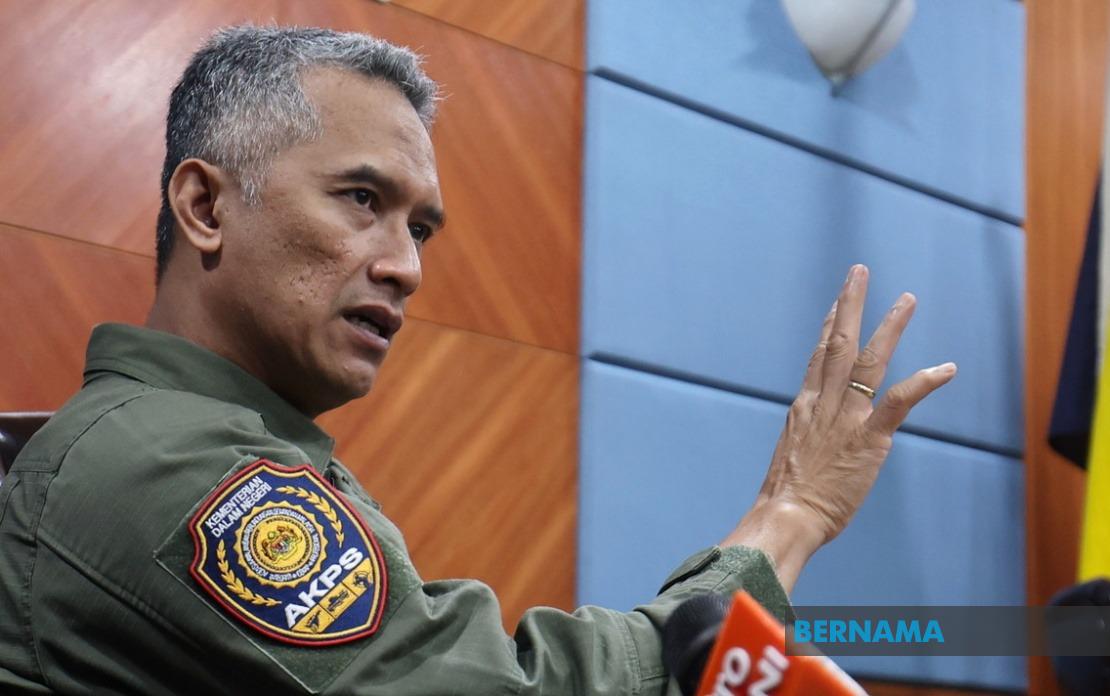
Border authorities in Malaysia are preparing for a significant surge in cross-border traffic this weekend as voters based in Singapore return home to participate in the 16th Johor state election on July 11. The Malaysian Border Control and Protection Agency (AKPS) has announced that operations at the Sultan Iskandar Building (BSI) and the Sultan Abu Bakar Complex (KSAB)—the country's two primary land entry points—will operate at maximum capacity beginning Friday, with enhanced measures continuing through polling day.
Director-General Datuk Seri Mohd Shuhaily Mohd Zain outlined a comprehensive strategy designed to prevent bottlenecks and ensure efficient movement of arriving citizens. The BSI facility will deploy 38 dedicated inbound counters for vehicles, activate all 35 electronic gates, operate two quick response code counters, and man 18 manual inspection stations. The KSAB checkpoint will similarly increase its capacity, opening 24 counters in the vehicle zone and positioning between 18 and 24 combined electronic and manual counters at the bus terminal. These dedicated lanes will remain operational around the clock on Friday and from just after midnight Saturday until 6 pm on polling day.
The border authority has incorporated adaptive infrastructure to respond to real-time congestion patterns. Hybrid counter arrangements and contra-flow systems will be activated if traffic volumes spike during predictable high-demand periods, particularly Friday afternoon and early Saturday morning when commuters are most likely to return. Should the BSI bus hall experience extraordinary crowding, AKPS stands ready to deploy additional manual and automated gates, potentially opening the Golden Service counter area to segregate traveller categories and manage passenger distribution more effectively.
Capacity constraints have been carefully analysed based on facility design and historical performance data. Each passenger hall at BSI accommodates approximately 1,500 persons at any given moment, whether arriving or departing. However, the checkpoint has previously processed as many as 5,500 people simultaneously, and its current infrastructure can inspect up to 6,400 travellers hourly. This surplus capacity provides a substantial buffer against unexpected demand spikes, though planners acknowledge that heavy weekend traffic could stretch these limits.
The scale of potential voter movement becomes clearer when examining cross-border traffic patterns. AKPS data from January through May 2026 reveals that BSI handles between 300,000 and 350,000 traveller movements daily, with Malaysians constituting 67 percent of all passage, Singaporeans representing 29.5 percent, and other foreign nationals making up the remainder. Johor's reliance on Singaporean employment remains substantial, with the majority of these cross-border workers being daily commuters who would normally return to Malaysia only on weekends. The election, however, provides additional incentive for many to travel home.
Operational coordination extends beyond Malaysia's borders. AKPS has conducted preparation sessions with Singapore's Immigration and Checkpoints Authority at the Woodlands Checkpoint to ensure that immigration processing on both sides of the causeway proceeds in a synchronised and orderly manner. This bilateral cooperation recognises that congestion at either checkpoint creates backups on both sides, making cross-border communication essential for managing the electoral weekend effectively.
Technical readiness has been prioritised at the infrastructure level. AKPS has mandated that all scheduled system upgrades, preventive maintenance, and hardware work be postponed on July 10 and 11, ensuring that no technical failures or planned downtime compromises border operations during this critical period. The agency is also collaborating with the Road Transport Department (JPJ) and the People's Volunteer Corps (RELA) at KSAB to manage the flow of public and factory buses, which typically transport groups of workers and may create additional logistical complexity during the election weekend.
The election itself involves substantial numbers of voters across the state. Some 172 candidates are contesting 56 state assembly seats, suggesting a competitive electoral landscape that may drive higher-than-average turnout among Singapore-based voters. These overseas-based constituents represent a meaningful portion of Johor's electorate, particularly in constituencies with strong labour ties to the Republic's economy.
Planning for the future extends beyond this electoral exercise. AKPS has indicated that the operational experience gained this weekend will inform preparations for the Johor Bahru-Singapore Rapid Transit System (RTS) Link, an infrastructure project expected to commence operations in coming years. As the RTS Link develops into the preferred transport mode for cross-border commuters, current border management strategies will require adaptation. The election weekend will effectively serve as a pilot test of surge-management capabilities that will shape how AKPS approaches rail-based mass movement in subsequent years.
For Malaysian and Southeast Asian observers, the election preparations underscore how closely integrated Johor's labour market remains with Singapore's economy, despite the two territories' political separation. The capacity of border infrastructure to handle voter surges reflects broader questions about cross-border movement patterns and how demographic dependencies shape electoral participation. Citizens planning to vote have been advised to begin their journeys early and monitor updates via AKPS's official Facebook channels, allowing the agency to provide real-time congestion advisories and help travellers optimise their crossing times during the necessarily hectic weekend ahead.

