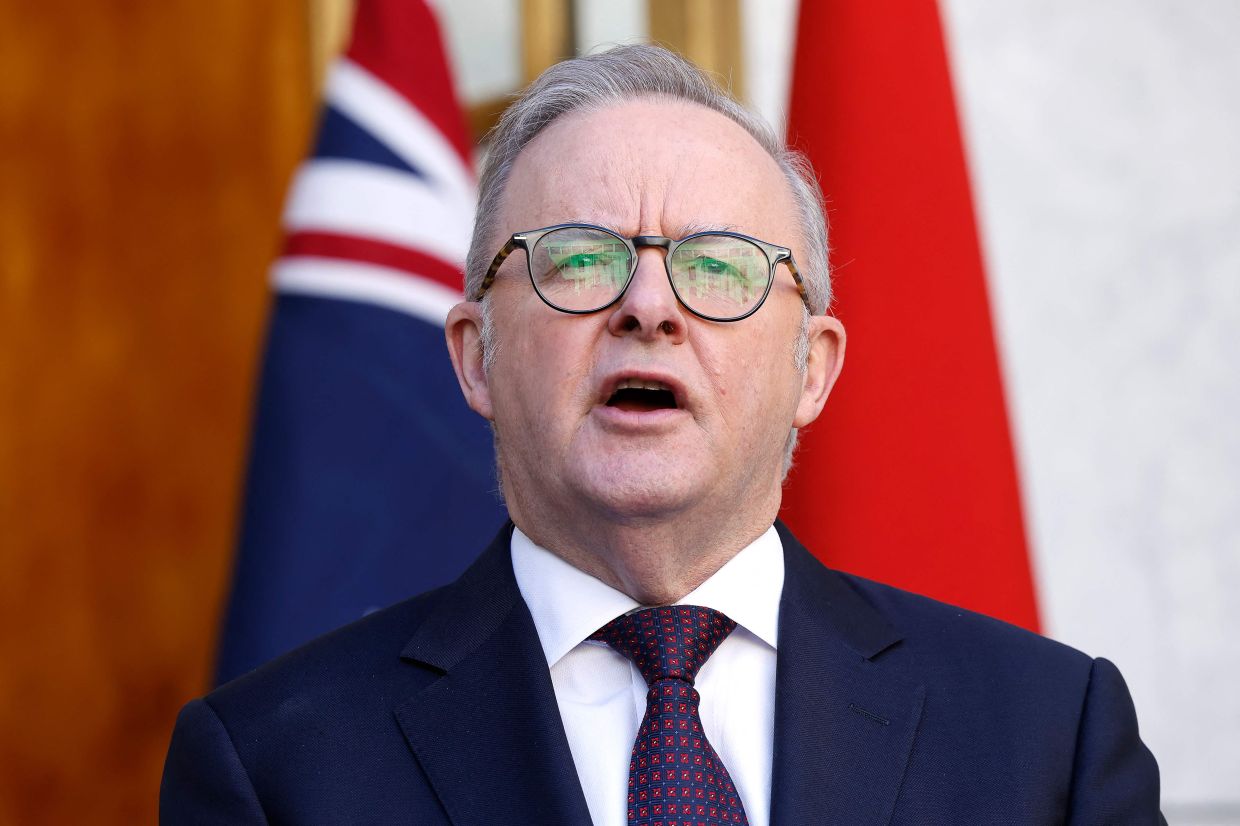
Australian Prime Minister Anthony Albanese has steadfastly refused calls to apologise for remarks he made about Japanese Prime Minister Sanae Takaichi, intensifying a diplomatic controversy that has drawn criticism from political opponents and raised questions about appropriate conduct in international relations. The incident centres on comments Albanese made during a candid podcast conversation at his official residence, where he responded to questions about a premium Japanese melon Takaichi had gifted during her May visit to Australia with crude banter that opposition lawmakers have characterised as disrespectful to the visiting dignitary.
When asked directly in parliament whether he would apologise for his conduct, Albanese deflected the question entirely, stating simply that he rejected the premise of the inquiry itself. Rather than engage substantively with concerns about the appropriateness of his language, the prime minister attempted to move beyond the controversy by emphasising his personal regard for his Japanese counterpart. His refusal to acknowledge any misstep represents a notably defensive posture, particularly given that Albanese had already issued an apology earlier in August for separate comments made during the same podcast interview in which he used colloquial language regarding Australian musician Kylie Minogue.
The melon joke itself emerged from an exchange between Albanese and podcast host Nikki Osborne during which the Australian leader described receiving a "strange" present consisting of a high-grade Japanese royal melon from his visiting guest. Japanese premium melons represent significant luxury goods in their home market, with prices frequently exceeding AUS$270, according to testimony from Japan's former ambassador to Australia. When Osborne playfully asked whether Takaichi had smuggled the fruit through customs, Albanese responded with innuendo-laden language, prompting the host to make a reference to actress Pamela Anderson. The exchange, while likely intended as casual banter between friends discussing an unusual diplomatic gift, has taken on considerably greater weight given the public and political scrutiny it has received.
Australia's opposition leadership has seized on the incident as evidence of unpresidential behaviour and disrespect toward an important international partner. The opposition leader characterised the remarks as insulting and called explicitly for Albanese to acknowledge his error and apologise to Takaichi. This political pressure reflects broader concerns about maintaining decorum in high-level diplomacy, particularly in a region where Australia has worked to strengthen ties with Japan amid shifting geopolitical circumstances. The willingness of opposition figures to escalate the matter suggests they view it as damaging to government credibility on the international stage.
Foreign Minister Penny Wong moved quickly to defend her prime minister's position, arguing that the remarks had been misinterpreted by political opponents with ulterior motives. Wong characterised the criticism as a misreading of Albanese's intentions, insisting that he had not meant for his comments to be understood as insulting. Her intervention signalled that the government would not concede ground on the matter and would instead frame the controversy as a case of political opponents engaging in bad-faith interpretation. Wong's statement attempted to reposition the narrative away from questions about appropriate diplomatic conduct and toward accusations of political opportunism by the opposition.
For readers in Malaysia and across Southeast Asia, this episode carries particular significance given the critical importance of Australia's relationships with Japan and broader Indo-Pacific stability. Japan represents a key security partner for Australia and both nations share interests in maintaining regional balance amid great power competition. Any suggestion of diminished respect in official channels—however unintentional—could inadvertently complicate the delicate diplomatic work required to manage regional tensions. The incident highlights how contemporary politicians must navigate the intersection of informal, casual communication and the formal expectations that accompany high office.
The controversy also underscores the challenge facing modern political leaders who conduct themselves in informal settings such as podcasts, where conversational norms differ markedly from those governing official statements and parliamentary proceedings. Albanese's willingness to engage in crude banter during a podcast interview, regardless of its intent, has demonstrated the risks of such informality when recorded content becomes subject to public scrutiny. The earlier apology he issued for comments about Kylie Minogue had apparently not prompted him to modify his communication style during the same interview, suggesting either a lack of awareness about how such remarks might play publicly or a misjudgement about acceptable boundaries.
From a diplomatic standpoint, Takaichi's response to the incident remains noteworthy for its absence. As a seasoned political leader herself, she has not publicly voiced displeasure or demanded an apology, which may suggest either that she has privately assured Albanese of her lack of offence or that she has chosen the strategic path of allowing the matter to fade without further official reaction. This measured response contrasts with the more vocal political opposition within Australia and suggests that the substantive bilateral relationship between the two nations remains sound despite the public controversy.
The refusal to apologise may ultimately reflect a calculation by Albanese that retreating further would only amplify the story and hand the opposition additional ammunition for criticism. However, the approach risks appearing stubborn or dismissive of legitimate concerns about diplomatic propriety. For Southeast Asian observers watching Australia's handling of its major partnerships, the episode provides a reminder that even close allies occasionally navigate periods of awkward publicity and that how leaders respond to such moments can carry implications for broader relationships.

