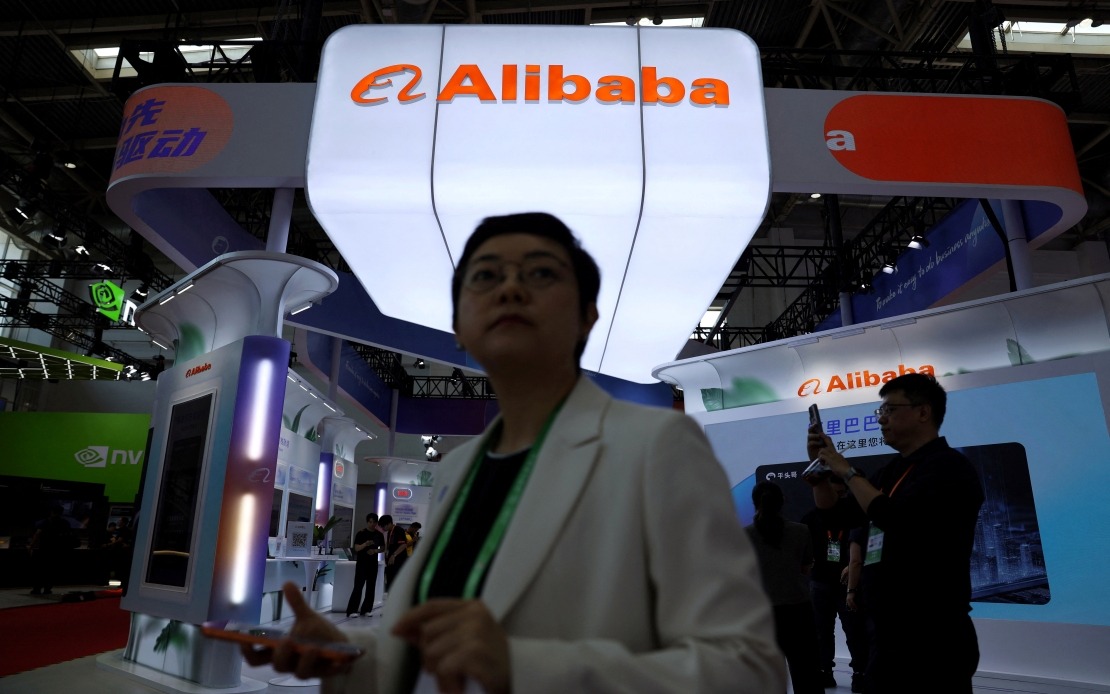
Alibaba has escalated its dispute with Washington by launching legal proceedings against the US Department of Defense over a controversial classification that brands the Chinese technology conglomerate as militarily affiliated. The court filing, released on Tuesday, represents the company's formal challenge to a Pentagon determination made in June that linked Alibaba to China's defence sector, a designation that carries significant commercial and geopolitical implications for one of Asia's largest corporations.
In its filing, Alibaba categorically rejected the Pentagon's assertions, contending that the determinations underlying the military company label possess neither factual foundation nor legal merit. The company emphasized that its organisational structure includes an independent board of directors whose members maintain no connections whatsoever to military establishments or defence-related activities. This structural argument forms a core component of Alibaba's defence, positioning governance independence as evidence that the firm operates outside state military infrastructure.
The plaintiff further detailed the commercial nature of its operations, emphasising that its entire portfolio of products and services targets three distinct market segments: retail distribution, logistics infrastructure, and enterprise-grade information technology solutions. Alibaba contends that this civilian-focused business model fundamentally contradicts any characterisation of military involvement. The company's argument centres on the notion that businesses serving transparent consumer and corporate markets cannot reasonably be classified as defence-industrial entities.
Alibaba's legal team highlighted contractual mechanisms that allegedly safeguard against military deployment of the company's technology. The lawsuit states that the firm's contracts and compliance frameworks explicitly prohibit applications in military contexts. Additionally, Alibaba pointed to the absence of military certifications or relevant defence sector licences, suggesting that the absence of formal credentials in weapons development or defence contracting should weigh heavily against the Pentagon's classification.
The Pentagon's June designation proved remarkably expansive in scope, ensnaring 188 companies in its net of military-linked entities. Beyond Alibaba, the list encompassed Tencent, another tech behemoth, and BYD, the dominant Chinese electric vehicle manufacturer. This broad sweep reflects an escalating American strategy to identify and isolate organisations deemed connected to Beijing's military-industrial apparatus, an approach that has become increasingly aggressive under successive US administrations.
For Malaysian and Southeast Asian observers, the implications extend well beyond a single corporate dispute. Alibaba operates extensively throughout the region, offering cloud services, e-commerce platforms, and logistics solutions that many local enterprises and governments depend upon. A sustained freeze on Alibaba's US operations could disrupt supply chain coordination across Southeast Asia and alter regional technology partnerships. Malaysian businesses utilising Alibaba's cloud infrastructure or supply chain management tools may face operational uncertainties if sanctions intensify.
The classification carries profound consequences for international commerce and technological sovereignty. Chinese technology firms increasingly face restrictions that American companies do not encounter, creating asymmetric regulatory environments that reshape global business competition. For companies operating across multiple jurisdictions, such designations create legal and financial jeopardy, forcing executives to navigate contradictory regulatory frameworks where remaining compliant in one market risks violation in another.
Alibaba's lawsuit signals mounting corporate pushback against American sanctions regimes, particularly those lacking transparent evidentiary processes. The company's willingness to contest the Pentagon in federal court suggests confidence in its legal position, or alternatively, desperation to salvage business relationships and investor confidence. The outcome may establish precedent for how Chinese companies challenge American designations, potentially influencing the calculus for other firms facing similar classifications.
The timing of Alibaba's legal challenge coincides with broader tensions between Washington and Beijing over technology dominance and national security definitions. American officials characterise such designations as essential safeguards against military technology transfer, while Chinese companies argue that overly expansive definitions of "military-linked" criminalise ordinary commercial activity. This fundamental disagreement about what constitutes legitimate military affiliation remains unresolved in international commercial and legal frameworks.
Southeast Asian governments, many of which maintain hedging strategies between great power competition, face uncomfortable choices regarding Alibaba and similar firms. Restricting access to Chinese technology risks retaliation from Beijing and reduces consumer choice, while permitting unrestricted operations invites American diplomatic pressure and potential sanctions on regional governments themselves. Malaysia's technology sector, having benefited substantially from Chinese investment and platforms, exemplifies this regional dilemma.
The Pentagon's expansive approach to identifying military companies reflects intelligence assessments suggesting extensive state control and coordination within Chinese technology sectors, even nominally private firms. However, these assessments often remain classified, depriving companies of opportunities to directly challenge evidence against them. Alibaba's lawsuit indirectly contests the opacity of American security determinations, seeking greater transparency in how such classifications occur.
Looking forward, the litigation may reshape how major technology platforms navigate geopolitical fractures. Alibaba's success or failure could influence whether other designated companies mount legal challenges or accept restrictions. For Southeast Asian economies dependent on Chinese technological infrastructure, the court's decision carries weight extending far beyond corporate law into regional economic architecture. The case ultimately reflects deeper questions about whether global commerce can survive technological decoupling between superpowers, or whether hybrid arrangements allowing limited interaction remain possible.

