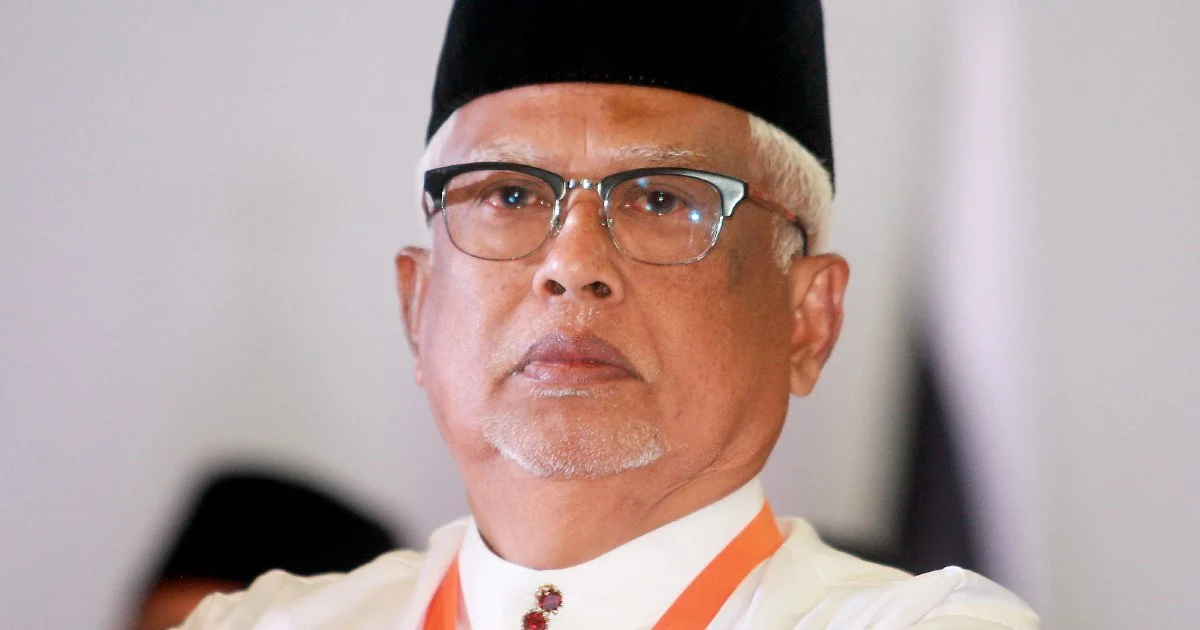
Coalition tensions within Perikatan Nasional have surfaced in Johor, with an Amanah leader questioning why PAS maintains electoral backing for Bersatu despite what he characterises as serious allegations made against the party. The challenge underscores deepening fissures in the political alliance that has governed Malaysia since 2020, raising questions about the viability of the coalition structure heading into the state election and beyond.
Mahfuz, the Amanah figure raising these concerns, highlights an apparent contradiction in PAS's political positioning. The party has previously levelled substantial accusations against Bersatu, yet continues fielding joint candidates under the PN banner in Johor. This inconsistency suggests either a calculated political compromise or underlying divisions that party leadership has not adequately addressed publicly, leaving grassroots supporters and observers confused about the coalition's actual cohesion.
The Johor state election represents a crucial test for PN's stability as a governing force in Malaysia's largest southern state. Elections at the state level often serve as bellwethers for national sentiment, and any significant losses could undermine the coalition's narrative of unity and effectiveness. The visible friction between PAS and Bersatu, two of PN's three main components alongside UMNO-aligned factions, suggests these cracks extend beyond mere tactical disagreements into fundamental questions of trust and direction.
PAS, historically a party focused on Islamic governance and Malay-Muslim interests, has adopted a pragmatic posture within PN that sometimes conflicts with its stated principles. Supporting Bersatu candidates despite allegations creates a perception that the party prioritises coalition maintenance over accountability and moral clarity. For PAS members and supporters, particularly those drawn to the party's Islamic messaging, such compromises can appear inconsistent with claimed values of transparency and ethical conduct in governance.
Bersatu, a newer political force that emerged from UMNO factions and has positioned itself as a reformist alternative, faces credibility challenges that the allegations only intensify. If PAS genuinely harbours serious concerns about the party, the decision to continue backing its candidates raises fundamental questions about whether such concerns are exaggerated for tactical purposes or whether political expediency has trumped principled action. Either scenario reflects poorly on coalition integrity.
The Amanah intervention introduces another dimension to Johor politics. Though Amanah plays a smaller role than the PN giants, the party represents a progressive Islamic voice within Malaysian politics and has maintained independence from PN. By publicly questioning PAS's approach, Amanah positions itself as a voice of consistency and accountability, potentially appealing to voters sceptical of the PN coalition's claims of reform and good governance.
PAS's public response, or lack thereof, will signal how seriously the party takes such internal coalition pressure. Silence might suggest the party has made a cold calculation that maintaining PN unity matters more than addressing specific allegations, while detailed rebuttal could either clarify the nature of the allegations or further expose divisions. How PAS navigates this moment could shape its political standing among its core constituencies, particularly in states where PAS governs and faces questions about administrative competence and ethical governance.
For Malaysian voters, particularly in Johor, such coalition tensions complicate electoral choices. Voters must decide whether to reward a governing coalition despite visible internal friction, or use state elections to signal dissatisfaction with what appears to be opportunistic political alignment rather than genuine ideological or strategic compatibility. The stakes extend beyond Johor, as the state election outcome could influence calculations for future federal elections and coalition reconfiguration.
The allegations themselves remain somewhat opaque in public discourse, with both the specific charges and their substantive merit unclear to observers. This lack of transparency contributes to the perception that coalition management operates through backroom negotiation rather than public accountability. Clarifying what the allegations entail and how they have been addressed would allow voters to make informed judgments rather than relying on inference and speculation.
Historically, Malaysian coalitions have proven resilient despite internal tensions, partly because the alternative—electoral loss and opposition to stronger parties—provides powerful incentive to maintain unity. However, the accumulation of unexplained contradictions and public tensions eventually erodes voter confidence in coalition messaging. If PN partners cannot convincingly explain their working relationship to the public, confidence in their capacity to govern effectively may diminish, with consequences across multiple political levels.
The Johor election will ultimately reflect how Malaysian voters weigh coalition stability against concerns about accountability and coherence. Amanah's challenge to PAS articulates a broader question that many observers hold: does political pragmatism justify supporting colleagues against whom serious allegations exist? The answer voters provide in the ballot box will carry significance beyond Johor's borders, signalling whether Malaysians prioritise coalition governance or demand greater transparency and principled political conduct from their leaders.

