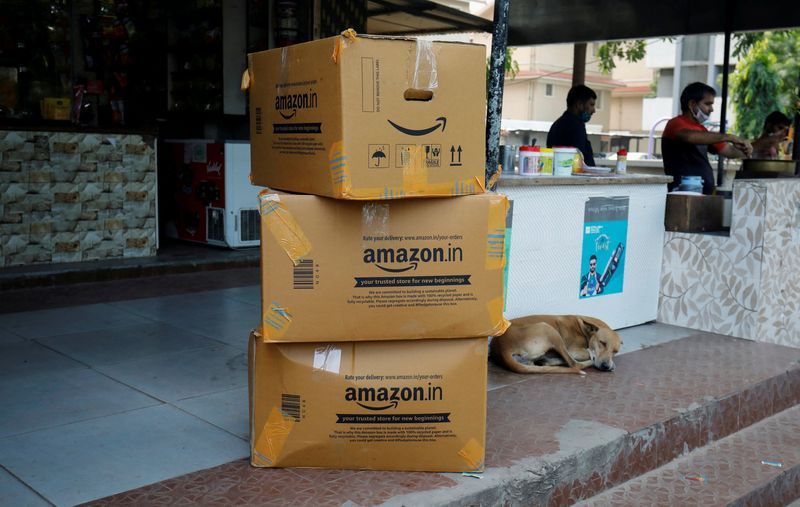
Amazon has pledged to impose disciplinary measures against M&M Logistics Solutions, one of its delivery partners in India, as soon as local police complete their inquiry into a deadly warehouse fire. The commitment comes following a fatal incident on June 5 at a facility operated by the third-party logistics firm in Uttarakhand, a state in northern India. The blaze claimed two lives and has triggered fresh scrutiny of workplace safety standards within Amazon's sprawling supply chain network across the country. The tech giant, which ranks among India's largest e-commerce operators, has also launched its own internal examination of the circumstances surrounding the tragedy, according to sources familiar with the matter who requested anonymity due to confidentiality restrictions.
Initial findings from state authorities paint a damning picture of conditions at the M&M Logistics facility. According to police documentation reviewed by international media, the warehouse operated without a valid fire safety certification from local regulators. The building was also found to have lacked essential safety infrastructure, including a functional fire alarm system, smoke detection equipment, and a properly designated emergency evacuation route. These findings underscore widespread concerns about the adequacy of safety protocols at facilities managed by third-party vendors operating under the Amazon umbrella, particularly across smaller cities and towns in northern regions where oversight may be less rigorous.
The incident represents a troubling escalation in labour and workplace safety controversies surrounding Amazon's operations in India. Earlier in 2024, the company faced formal scrutiny from India's National Human Rights Commission over allegations that workers at a warehouse near New Delhi experienced hazardous conditions during the country's severe summer heatwave. That investigation led authorities to confirm that the state government had initiated legal proceedings against the company under provisions of India's labour protection laws. The recurrence of such incidents within a single year suggests systemic vulnerabilities in how Amazon oversees its extended network of partners and contractors.
Amazon's official statement to media outlets emphasises its commitment to accountability, with the company declaring it will implement measures "in line with our policies" once regulatory authorities complete their work. However, labour advocacy groups remain unconvinced that these assurances represent sufficient action. The Amazon India Workers Union has called for an independent judicial inquiry into the deaths, characterising the warehouse fire as a symptom of deeper institutional failures in worker protection. Union representatives have explicitly framed the incident as emblematic of negligence regarding human dignity and occupational safety standards within Amazon's operational ecosystem.
The scale of M&M Logistics' operations within Amazon's delivery infrastructure is substantial. According to public statements made by Amazon India in 2023, M&M Logistics operates 45 distribution and delivery centres spread across 21 cities, handling package distribution across northern India's sprawling market. This extensive footprint means the logistics partner plays a crucial role in fulfilling Amazon's e-commerce commitments to millions of consumers across the region. The concentration of operations in a single third-party vendor relationship also highlights potential vulnerability should regulatory action force operational disruptions or facility closures.
Amazon's own internal governance documents establish clear expectations regarding supplier conduct in matters of workplace safety. The company's code of conduct for vendors and contractors explicitly prohibits working environments characterised by unsafe conditions, with particular emphasis on uncontrolled fire hazards. The policy framework permits Amazon to suspend or terminate relationships with third-party operators found to be in violation of these standards. Despite these documented commitments, the gap between written policy and enforcement has emerged as a persistent challenge, particularly when responsibility for implementation falls to third-party intermediaries who may prioritise cost efficiency over compliance.
For Malaysian businesses and regional observers, this incident carries important implications regarding supply chain governance and vendor accountability mechanisms. As Southeast Asian e-commerce platforms increasingly expand operations through networks of third-party logistics partners, questions about how parent companies oversee worker safety and regulatory compliance become increasingly urgent. The Amazon case demonstrates that scale and market dominance do not automatically translate into effective supervision of distributed networks operating across multiple jurisdictions with varying regulatory environments and enforcement capacities.
The investigation by Uttarakhand police remains ongoing, and neither M&M Logistics nor state authorities have publicly responded to media inquiries about the incident. This silence contrasts with Amazon's relative transparency in acknowledging the tragedy and committing to future action. The regulatory response from provincial authorities will likely influence how Amazon calibrates its relationship with the vendor and whether regulatory bodies pursue criminal charges or administrative penalties alongside any corporate discipline Amazon may impose.
The broader context of this incident within India's rapidly expanding e-commerce sector reveals tension between growth objectives and worker welfare protections. As platforms compete fiercely to expand delivery capabilities and reduce costs, pressure intensifies on logistics partners to optimise operations. When safety investments are perceived as cost burdens rather than essential expenditures, facilities may deteriorate into hazardous conditions despite nominal oversight arrangements. The fire at M&M Logistics represents a particularly stark failure point where multiple safeguards—regulatory certification, physical safety equipment, and emergency protocols—collapsed simultaneously, resulting in preventable loss of life.
Looking forward, stakeholders across the e-commerce sector in India and Southeast Asia will likely scrutinise whether Amazon's promised action translates into meaningful consequences for M&M Logistics and whether the company implements broader reforms to prevent similar incidents at other facilities. The incident has already galvanised labour organisations and human rights advocates to demand stronger regulatory frameworks governing third-party employment relationships within e-commerce supply chains. For Malaysian policymakers monitoring regional e-commerce development, the case underscores the importance of establishing clear safety standards and enforcement mechanisms before rapid growth creates entrenched patterns of non-compliance that are difficult to reverse.

