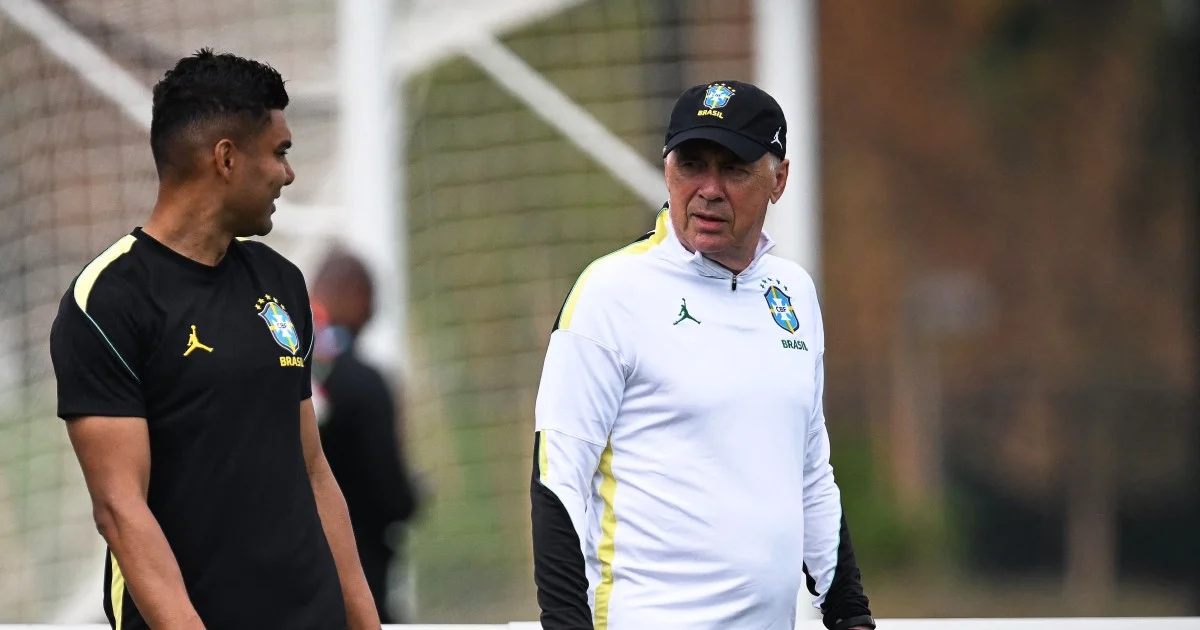
Carlo Ancelotti struck a measured tone in the aftermath of Brazil's opening World Cup encounter, declining to escalate concerns despite a result that fell short of expectations. The veteran tactician's composed demeanor following the 1-1 draw with Morocco underscores his measured approach to crisis management—a trait honed through decades navigating high-pressure European club football. Rather than allowing a disappointing start to derail preparations, Ancelotti framed the encounter as an instructive exercise that illuminated specific areas requiring remedial work before facing Haiti on Friday in Group C action.
The opening fixture exposed technical and tactical vulnerabilities that had otherwise remained concealed during Brazil's preparatory phase. Morocco's ability to neutralise Brazil's attacking fluidity and subsequently capitalise on defensive lapses suggested that opponents possessed a roadmap for disrupting the Seleção's traditional rhythm. For a nation accustomed to dominating possession and dictating tempo, such resistance represented both a wake-up call and an opportunity—the performance contained sufficient diagnostic information to enable meaningful adjustments without prompting wholesale philosophical overhauls.
Ancelotti's refusal to slip into panic reflected confidence in both his technical understanding and his squad's capacity for rapid recalibration. Brazil's roster contains sufficient quality to absorb opening-match disappointments, provided the coaching staff correctly identifies the root causes of the performance gap. The Italian's track record across multiple elite clubs—including AC Milan, Real Madrid, and Chelsea—demonstrates his comfort operating under pressure whilst maintaining strategic clarity. This psychological stability often proves as valuable as tactical acumen when teams confront early setbacks in tournament football.
The Haiti match assumes outsized importance within the broader tournament narrative. A victory would restore Brazil's position atop Group C whilst simultaneously providing psychological renewal after a frustrating beginning. Haiti, arriving as substantial underdogs, would offer Brazil an occasion to dominate territory, possession, and chances without the stubborn defensive resistance that Morocco provided. Such opportunities permit coaches to experiment with tactical variations, rotate personnel carefully, and rebuild confidence across the squad—particularly among attacking players who struggled to impose their superiority against their North African opponents.
Defensive frailties merit particular scrutiny given Morocco's capacity to trouble Brazil's backline. The Seleção's goalkeeper was forced into interventions that should theoretically have proven unnecessary against a team ranked considerably lower. Strengthening defensive organisation without sacrificing attacking ambition represents the central challenge confronting Ancelotti's preparation. Haiti's playing style, likely emphasising direct approaches rather than technical build-play, may actually suit Brazil's defensive reconstruction efforts by offering contrasting problems to solve compared to Morocco's possession-based threats.
Ancelotti's patience with the process reflects broader understanding that tournament football contains natural fluctuations in performance. A 1-1 opening draw, whilst disappointing, hardly constitutes a catastrophe for a nation boasting Brazil's tournament history and player calibre. Overreaction often produces hasty decisions that compound initial problems rather than addressing them. The coach's deliberate, analytical response suggests he intends to treat Friday's encounter as an opportunity to implement corrections without abandoning the fundamental approach that qualified Brazil for the tournament.
The competitive environment within Group C remains fluid despite Brazil's stumble. Multiple outcomes remain possible, creating genuine stakes for the Haiti fixture. A comprehensive victory would substantially improve Brazil's position whilst answering doubters who questioned the opening draw. Conversely, a second unconvincing result would intensify pressure and demand more dramatic tactical revisions. This binary outcome structure provides the Seleção with powerful motivation to perform convincingly, whilst remaining sufficiently manageable to avoid the psychological paralysis sometimes accompanying early tournament disappointments.
From a Southeast Asian perspective, Brazil's early struggles carry relevance beyond mere football interest. The tournament showcases global football's elite performers and emerging tactical trends, offering instructive lessons for regional coaches and analysts. Additionally, Brazil's journey through the group stage influences betting markets and gambling patterns that engage significant Malaysian and regional audiences. The team's capacity to overcome early adversity whilst maintaining composure provides narrative interest extending beyond traditional football enthusiast circles.
Ancelotti's demeanor also reflects practical recognition that Haiti presents a substantially different challenge to Morocco. The Caribbean side, competing as substantial underdogs, typically approaches group matches differently than established teams. This stylistic distinction offers Brazil opportunities to impose their game in ways the Morocco encounter did not permit. If Ancelotti's analysis correctly identifies the fundamental issues from the opening match, Haiti's contrasting approach may actually facilitate implementation of corrective measures, allowing Brazil to demonstrate renewed attacking cohesion and defensive solidity before moving into the tournament's decisive later stages.

