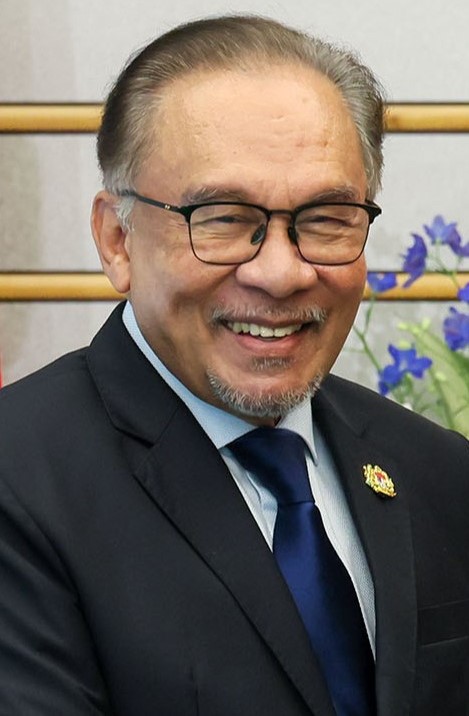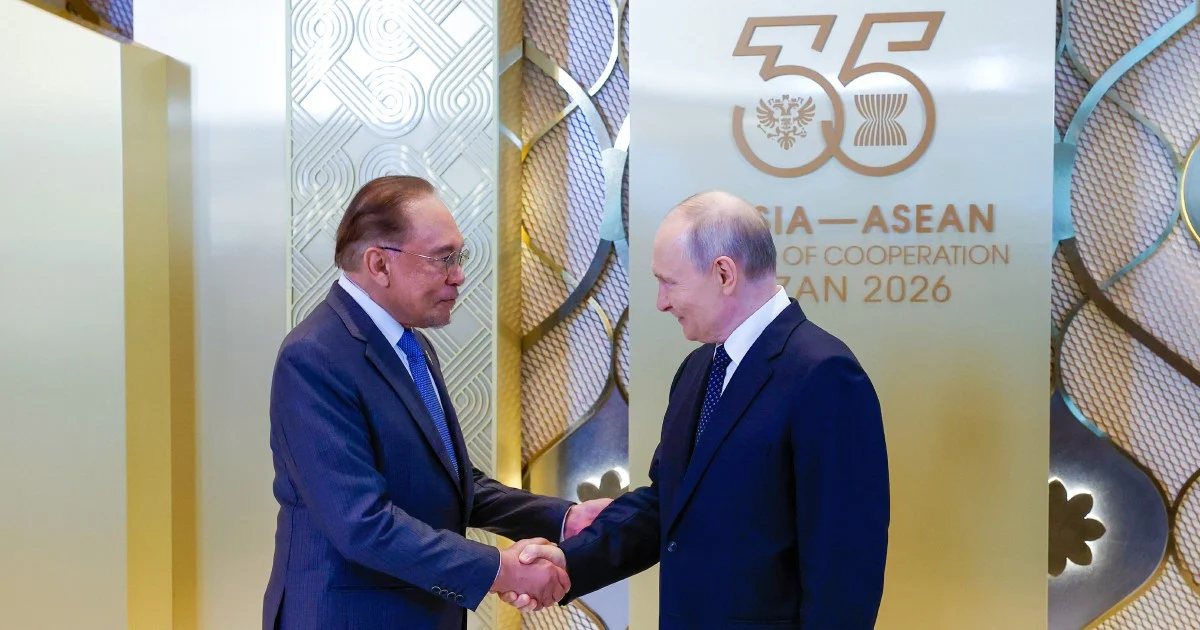
Prime Minister Datuk Seri Anwar Ibrahim and Russian President Vladimir Putin have used a high-level engagement to chart a course toward deeper economic partnerships between Malaysia and Russia, with energy cooperation and alternative trade payment mechanisms taking centre stage in their discussions. The encounter, which took place in Kazan, reflects growing Malaysian interest in diversifying its international economic relationships as regional geopolitical pressures continue to reshape the global trading landscape.
Energy security has emerged as a critical concern for Malaysia as it navigates rising global energy volatility and seeks to stabilise supply chains essential to its growing economy. During the meeting, both leaders recognised the strategic importance of reliable energy access to Malaysia's industrial and manufacturing sectors, which remain heavily dependent on stable fuel supplies and electricity generation capacity. This focus underscores Malaysia's pragmatic approach to foreign policy, where energy partnerships with major producers like Russia serve as a foundation for broader economic cooperation and regional stability.
The bilateral discussion encompassed not merely the traditional purchase of energy resources but the deeper integration of energy infrastructure planning and investment. Russia's substantial petroleum and natural gas reserves, coupled with Malaysia's position as a major energy consumer and regional economic hub, create natural incentives for expanded cooperation. Such partnerships can include joint ventures in energy exploration, technology transfer in renewable and fossil fuel sectors, and long-term supply agreements that insulate both nations from market volatility.
Equally significant was the emphasis placed on conducting bilateral trade in local currencies—Malaysian ringgit and Russian ruble—rather than relying exclusively on the United States dollar. This shift represents a meaningful realignment of economic relationships in response to global financial uncertainties and the desire to reduce dependence on Western-dominated currency systems. For Malaysia, adoption of local currency trade reduces exposure to dollar fluctuations and transaction costs, while simultaneously strengthening the international standing of the ringgit in regional commerce.
The move toward local currency settlements aligns with broader trends across Asia and between developing economies seeking greater financial autonomy. By transacting in ringgit and ruble, Malaysian and Russian businesses can conduct commerce with reduced intermediaries and lower hedging costs. This arrangement also signals a deepening of economic ties that transcends opportunistic trade and reflects confidence in sustained long-term engagement between the two nations.
From Malaysia's perspective, engagement with Russia carries both economic and geopolitical dimensions. As a major crude oil and liquefied natural gas exporter, Russia remains a crucial player in global energy markets despite facing international sanctions related to its invasion of Ukraine. Malaysia's pragmatic foreign policy approach, which emphasises non-alignment and maintains relationships across the geopolitical spectrum, allows it to engage with Russia on matters of mutual economic interest while preserving its broader commitments to international law and regional stability.
The Kazan meeting also reflects Malaysia's broader strategic orientation toward strengthening ties with non-traditional partners in Europe and Asia. For decades, Malaysia's trade and investment relationships centred predominantly on Western nations, China, and immediate Asian neighbours. Expanding engagement with Russia and other Eurasian economies diversifies Malaysia's economic footprint and reduces vulnerability to supply chain disruptions concentrated in any single region or bloc.
For Russian President Putin, deepening economic ties with Southeast Asian nations including Malaysia serves to offset the impact of Western sanctions and demonstrates that Russia maintains viable economic partnerships despite international isolation. Malaysia's willingness to explore local currency trade and energy partnerships provides Russia with meaningful commercial relationships in a strategically important region where Western influence remains significant.
The timing of these discussions carries additional weight given the current international climate. Energy prices remain volatile, driven by geopolitical tensions, the energy transition away from fossil fuels, and competition among major powers for resource access. Malaysia's decision to engage substantively with Russia on energy matters demonstrates that despite global divisions, practical economic cooperation continues between nations with divergent geopolitical alignments.
Beyond immediate energy transactions, the bilateral talks point toward potential expansions into manufacturing, agriculture, and technology sectors. Russian expertise in heavy industry, mining, and aerospace technology could complement Malaysia's strengths in electronics, petrochemicals, and digital innovation. Such complementarities provide a foundation for moving beyond simple commodity trade toward more sophisticated economic integration.
The elevation of bilateral discussions to the prime ministerial level underscores both nations' commitment to strengthening their relationship. This direct engagement at the highest political levels typically precedes concrete agreements on trade frameworks, investment protocols, and strategic sector cooperation. For Malaysia, such high-visibility diplomacy signals confidence in its ability to navigate complex international relationships while maintaining its principled foreign policy stance.
Looking forward, the outcomes of these discussions may influence how Malaysia approaches energy policy and financial integration more broadly. Should local currency trade arrangements expand successfully between Malaysia and Russia, this model could serve as a template for similar arrangements with other trading partners, gradually reducing the Malaysian economy's reliance on dollar-denominated transactions. This shift could have implications for regional financial architecture and Malaysia's position within emerging alternative payment systems being developed across Asia and the Global South.
The energy partnership discussions also highlight Malaysia's dual challenge of meeting growing domestic energy demand while transitioning toward renewable sources. Russian cooperation on fossil fuel supplies provides near-term energy security, while Malaysia pursues longer-term renewable energy goals. Balancing these imperatives requires sophisticated diplomatic engagement with diverse partners, and the Anwar-Putin discussions demonstrate Malaysia's ability to maintain such multifaceted relationships while advancing national interests in an increasingly multipolar world.