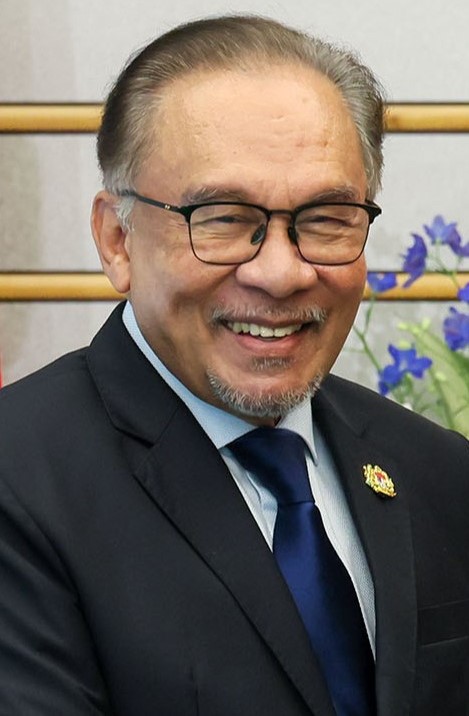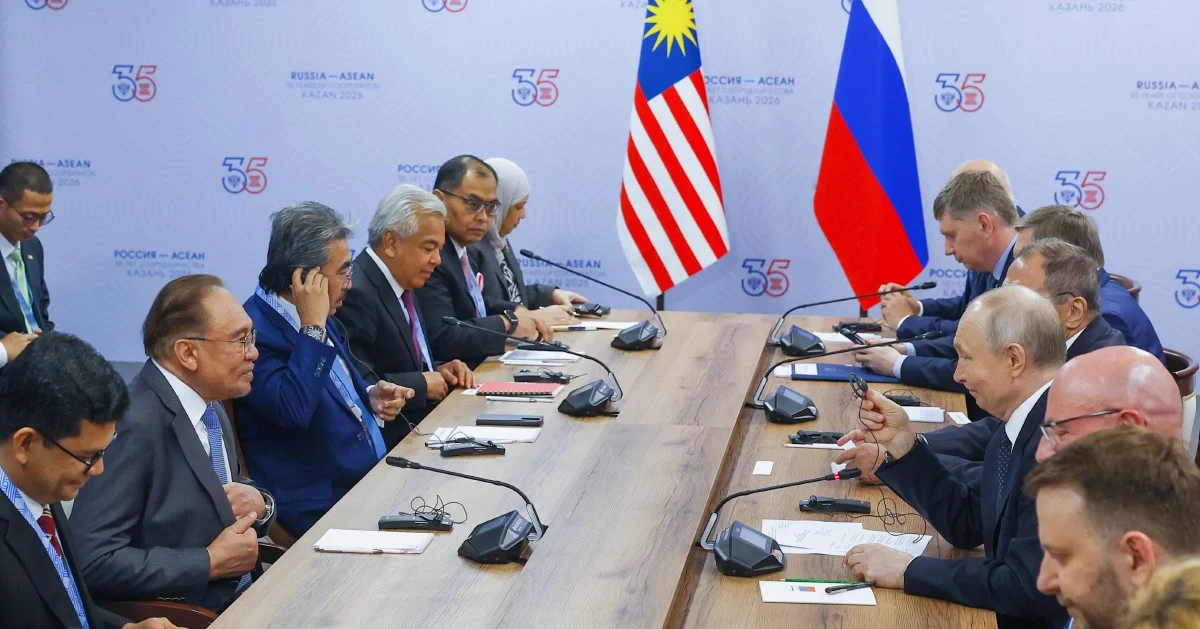
Malaysia and Russia are deepening their energy sector partnership following discussions between Prime Minister Datuk Seri Anwar Ibrahim and Russian President Vladimir Putin in Kazan. The Malaysian leader conveyed his gratitude to the Russian president for backing collaborative initiatives between the two nations, with state-owned Petroliam Nasional Bhd (Petronas) positioned at the centre of these efforts. The exchange underscores Kuala Lumpur's strategic pivot toward diversifying energy partnerships amid shifting global dynamics.
An energy alliance between Malaysia and Russia carries significant implications for both economies. Malaysia, a major oil and gas exporter, has long relied on established partnerships with traditional Western markets, yet increasingly recognises the value of engaging with alternative energy suppliers and technology partners. Petronas, as the backbone of Malaysia's hydrocarbon sector, stands to benefit from Russian expertise in exploration, production technologies, and long-term supply agreements that could stabilise revenues and enhance operational efficiency.
For Russia, a major hydrocarbon exporter facing Western sanctions and trade restrictions, securing energy partnerships in Asia represents a critical economic lifeline. Southeast Asia offers substantial demand for energy resources, and Malaysia—with its robust energy infrastructure and regional influence—provides an ideal gateway for deeper penetration into the broader Asian market. The cooperation likely encompasses technology transfer, joint ventures in upstream and downstream operations, and potentially liquefied natural gas (LNG) projects that leverage both nations' capabilities.
The bilateral engagement in Kazan reflects Malaysia's foreign policy approach of maintaining balanced relationships across major powers. Rather than aligning exclusively with Western institutions or Eastern blocs, Kuala Lumpur pursues pragmatic partnerships that advance national interests. By simultaneously engaging Russia on energy cooperation while maintaining existing relationships with other suppliers and developed economies, Malaysia positions itself as a flexible partner capable of navigating complex geopolitical terrain.
Petrolas' international footprint already spans multiple continents, but Russian collaboration could open new operational dimensions. Joint exploration ventures in frontier areas, shared research into carbon capture and storage technologies, and coordinated LNG marketing strategies might emerge from these discussions. Such cooperation would differentiate Malaysian energy offerings in global markets and strengthen Petronas' competitive position against international rivals.
The timing of this engagement matters considerably. Global energy markets remain volatile, with geopolitical tensions affecting supply chains and pricing mechanisms. Southeast Asian nations increasingly seek supply security and commercial flexibility. Malaysia's willingness to engage with Russian energy expertise signals confidence in diversification strategies and a pragmatic assessment that energy security transcends political friction. This approach resonates with regional peers who similarly balance multiple partnerships without surrendering strategic autonomy.
From Russia's perspective, Malaysia represents a sophisticated and stable partner with genuine technological demands and long-term purchasing potential. Unlike smaller developing economies that might leverage energy agreements for short-term political gains, Malaysia's energy sector operates with institutional rigour and transparent commercial frameworks that appeal to serious international operators. Petronas' reputation as a competent, financially robust national champion makes it a preferred counterpart for consequential partnerships.
The energy cooperation framework also enables both nations to explore downstream integration—refining, petrochemicals, and value-added product development. Southeast Asia's growing middle class drives sustained energy demand across residential, industrial, and transportation sectors. By partnering on energy infrastructure and supply chains, Malaysia and Russia can position themselves advantageously within regional value networks that extend beyond simple crude exports to encompassing integrated energy solutions.
Regional observers note that strengthened Malaysia-Russia energy ties might influence ASEAN dynamics more broadly. Some member states face similar pressures to diversify partnerships and enhance energy security. Malaysia's openness to Russian cooperation without abandoning Western relationships provides a practical template for other Southeast Asian nations considering broader international engagement strategies. This demonstration effect could gradually reshape regional energy diplomacy.
The geopolitical backdrop cannot be ignored entirely. Western sanctions on Russian energy sectors have prompted Moscow to accelerate Asian market penetration aggressively. Malaysia, as a respected ASEAN voice that maintains independent foreign policy positioning, offers legitimacy to Russian commercial activities while providing the latter with improved access to Southeast Asian markets and capital flows. Simultaneously, Malaysia gains negotiating leverage in discussions with other suppliers by demonstrating alternative options.
Looking forward, tangible outcomes from these discussions would likely emerge through formal agreements on joint exploration projects, technology partnerships, or long-term supply contracts. Petronas will probably establish dedicated taskforces to evaluate opportunities across Russia's oil and gas producing regions, while Russian entities explore entry points into Malaysian-controlled assets or ventures. Such mechanisms typically require months of negotiation but, once established, create durable institutional connections extending beyond individual political transitions.
For Malaysian stakeholders, the energy cooperation emphasis reflects recognition that sustainable development requires diversified, secure energy sources and partnerships insulating the economy from singular supplier dependencies. The Anwar administration's signal of receptiveness to Russian engagement, conveyed through Petronas-centred cooperation frameworks, demonstrates commitment to pragmatic international economic relations unconstrained by contemporary geopolitical polarisation. This posture strengthens Malaysia's negotiating position across multiple energy partnerships simultaneously.