Prime Minister Datuk Seri Anwar Ibrahim has launched a sharp rebuke at the opposition, asserting that political opponents are deliberately transforming the Tabung Haji controversy into a theatrical spectacle designed to deflect scrutiny from those responsible for the pilgrim savings fund's troubles. In a Facebook statement, the premier expressed frustration that the debate had become centred on his leadership rather than addressing what he characterised as betrayal of the institution and its millions of ordinary depositors who entrusted their savings to fulfil Islam's fifth pillar.
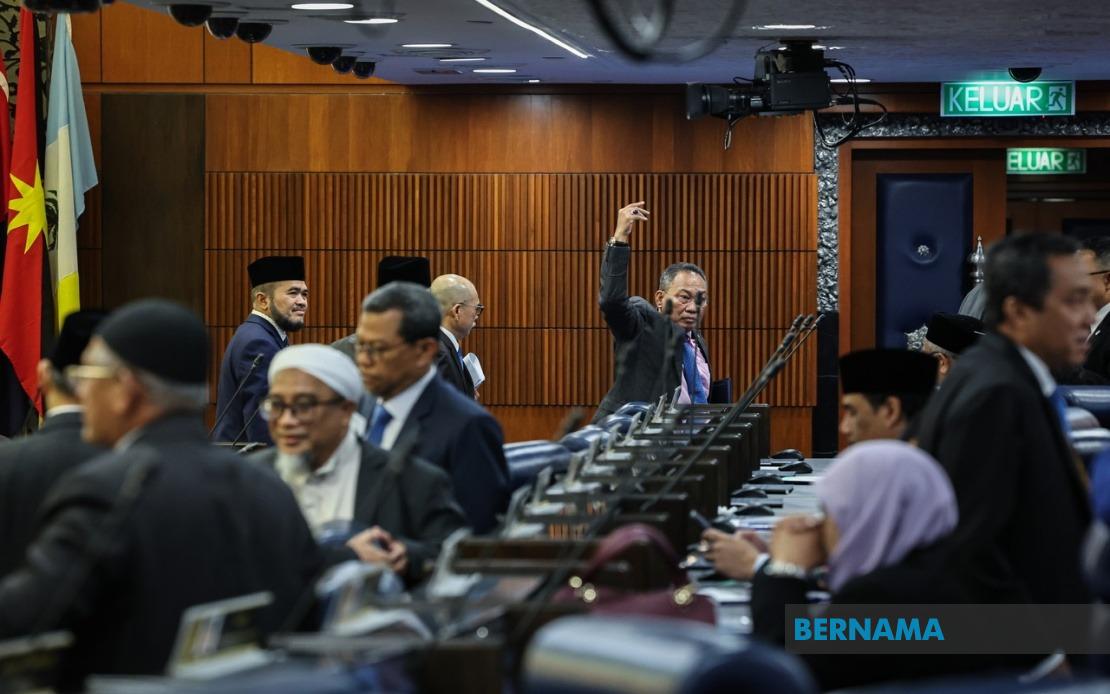
The timing of Anwar's remarks came in the wake of a parliamentary walkout by opposition Members of Parliament during a special sitting of the Dewan Rakyat convened specifically to discuss the Royal Commission of Inquiry report on Tabung Haji. The opposition lawmakers protested against Dewan Rakyat Speaker Tan Sri Johari Abdul's decision to proceed with a ministerial briefing despite the Prime Minister's absence. They had also pushed unsuccessfully for an adjournment of proceedings, a motion tabled by PN Chief Whip Datuk Seri Takiyuddin Hassan that was rejected by the Speaker. The Prime Minister had apologised in advance for not attending, citing ongoing physiotherapy required after undergoing an elective laparoscopic procedure to address a para-umbilical hernia.
Central to Anwar's frustration is what he perceives as a selective blindness on the part of opposition parties, particularly the PAS-led Perikatan Nasional coalition, to the real victims of Tabung Haji's mismanagement. He posed pointed questions about whether the opposition genuinely cared about the plight of ordinary Malaysians—fishermen, farmers, educators, police personnel, soldiers and retirees—whose life savings have been affected by institutional failures. The rhetorical challenge highlighted a disconnect between opposition rhetoric about protecting Malay-Muslim interests and their actual conduct during parliamentary proceedings. By focusing attacks on the Prime Minister's person rather than institutional accountability, Anwar suggested, the opposition was demonstrating that their political ambitions superseded genuine concern for affected savers.
The Tabung Haji RCI report, released publicly on July 29, represents a comprehensive examination of the institution's governance and operational weaknesses spanning the 2014-to-2020 period. The 211-page document identified systemic failures in management and provided 25 recommendations designed to prevent future crises. As of July 30, Tabung Haji had already implemented 75 per cent of these recommendations, indicating government responsiveness to the inquiry's findings. The government had initiated the RCI process in 2021, formally appointed commissioners on January 20, 2022, and the completed report was presented to the Yang di-Pertuan Agong on August 30, 2022, before eventually being tabled in parliament.
The special parliamentary sitting served a dual purpose: it provided a platform for the government to brief lawmakers on both the RCI's detailed findings and the concrete measures already undertaken to restore the institution's financial health. This presentation of recovery efforts was intended to demonstrate active government engagement with the crisis and commitment to preventing recurrence. However, the opposition's decision to boycott these proceedings denied them the opportunity to engage substantively with recovery measures and instead created the appearance of obstruction rather than constructive parliamentary oversight.
Anwar's intervention reflects growing tensions within Malaysia's political landscape regarding how serious institutional failures should be addressed. The question he posed—whether the opposition preferred to debate his leadership or focus on Tabung Haji itself—presents a fundamental challenge to parliamentary norms. In democratic systems, institutional accountability and personal political fortunes often become intertwined, yet Anwar's argument suggests that Malaysia's opposition has allowed partisan consideration to dominate substantive policy discussion. The Prime Minister's appeal to the opposition to prioritise the interests of affected depositors over political theatre carries particular weight given that many Tabung Haji contributors come from low-income and rural communities that traditionally form the political base of PAS and other conservative Malay-Muslim parties.
For Malaysian observers and international analysts following Southeast Asian politics, this episode underscores the challenge facing developing democracies in balancing accountability with governance continuity. When major state institutions fail—particularly those handling citizens' life savings—legitimate questions arise about whether criticism should focus on institutional structures and individual culpability or on current political leadership. Anwar's position essentially argues that while leadership changes are legitimate electoral choices, they should not become substitutes for fixing broken systems and protecting vulnerable savers.
The broader context of this dispute involves Malaysian efforts to strengthen governance and restore public confidence in state institutions after periods marked by corruption allegations and mismanagement at various levels. Tabung Haji's difficulties represent a significant breach of public trust, given the fund's religious and social significance to the Muslim population. The government's decision to pursue a full RCI, release its findings publicly, and act on its recommendations signals commitment to transparency and reform. Opposition cooperation in these efforts would presumably strengthen rather than weaken eventual recovery outcomes.
Looking forward, the question of how Malaysia's political class engages with institutional reform will have implications beyond Tabung Haji itself. The fund's recovery depends not merely on technical reforms but on restored public confidence and continued political support for its operational independence. Parliamentary consensus on institutional priorities, when genuine failures require correction, typically strengthens rather than weakens institutions. By reframing the debate away from personal political considerations and toward systematic reform, Anwar has articulated a position that future governments of any political colour will likely need to adopt if they hope to rebuild public institutions damaged by mismanagement.

