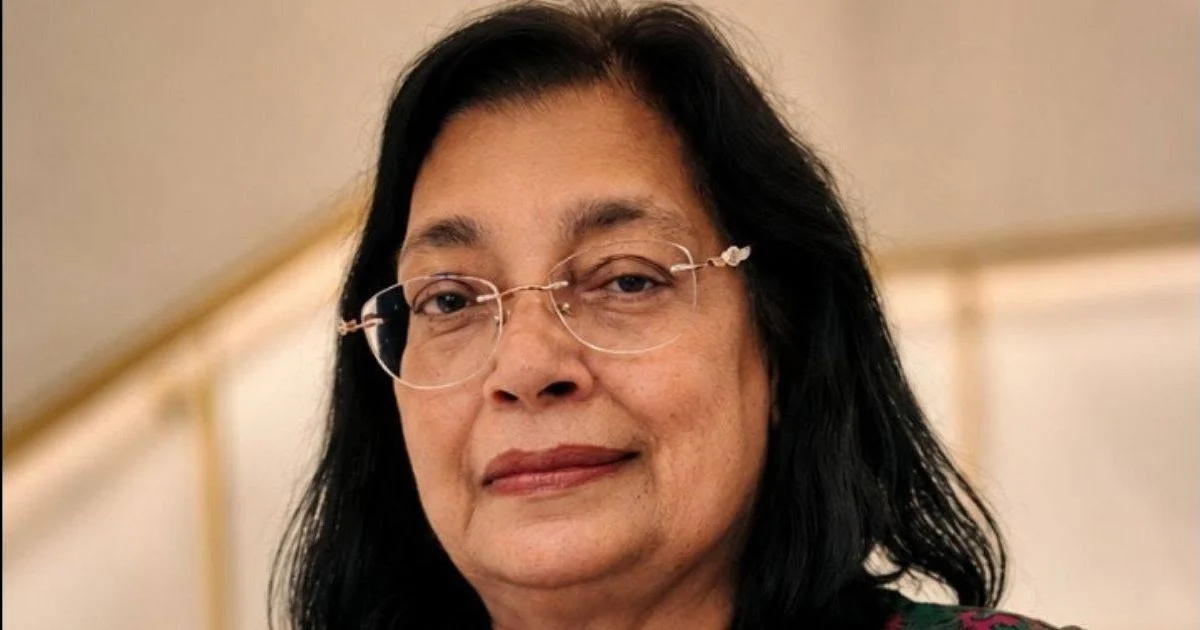
Prime Minister Datuk Seri Anwar Ibrahim has praised Datuk Yasmeen Muhamad Shariff's election to the United Nations Committee on the Rights of the Child (CRC), underscoring the significance of the appointment for Malaysia's standing in global child protection discourse. The four-year mandate, commencing in 2027, positions Yasmeen among an exclusive group of international experts tasked with monitoring compliance with the UN Convention on the Rights of the Child and its optional protocols across member states.
The CRC committee represents one of the United Nations' principal human rights treaty bodies, comprising experts who evaluate periodic reports submitted by nations regarding their implementation of child protection legislation and policies. Members are elected by state parties to the Convention, reflecting both technical expertise and the geographic and gender balance considerations that guide UN institutional processes. Yasmeen's selection reflects confidence from fellow nations in her qualifications and Malaysia's commitment to child welfare standards at the international level.
For Malaysia, the appointment carries practical implications across multiple policy domains. The country faces ongoing scrutiny regarding child labour practices, education access in disadvantaged communities, and the treatment of migrant children employed in various sectors. Yasmeen's presence on the committee provides Malaysia with direct engagement in shaping interpretative guidance that influences how other nations—and by extension, Malaysia itself—approach child rights implementation. This insider position enables the country to contribute substantively to committee recommendations that carry significant weight in international child protection frameworks.
Yasmeen's background and expertise qualify her to navigate the complex terrain of translating abstract rights principles into measurable benchmarks for state compliance. The committee's work extends beyond assessing government reports; members also develop general comments on specific rights and issues, producing authoritative guidance that informs how the Convention is understood and applied globally. Given Malaysia's own mixed record on some child protection indicators, her appointment also signals the government's intention to strengthen its domestic frameworks through active participation in international standard-setting processes.
The timing of her election occurs amid broader regional conversations about child welfare in Southeast Asia. The region faces distinctive challenges including cross-border trafficking, inconsistent child labour enforcement, and disparities in educational and healthcare access tied to socioeconomic status and ethnicity. Malaysia, as one of the region's more developed economies, has the institutional capacity and resources to serve as a reference point for child protection standards, and Yasmeen's presence on this influential UN body amplifies that potential regional leadership role.
Prime Minister Anwar's public congratulations reflects the government's strategic interest in demonstrating Malaysia's engagement with international human rights mechanisms. Recent years have seen deliberate efforts to enhance Malaysia's profile in UN institutions, addressing previous criticisms regarding domestic human rights concerns and institutional independence. Highlighting Yasmeen's appointment serves to project an image of Malaysia as a constructive participant in global governance architectures, particularly in areas like child protection where international consensus is relatively strong and cooperation is politically advantageous.
The four-year mandate presents opportunities for Yasmeen to influence how emerging issues affecting children—including digital rights, climate change impacts, and pandemic-related disruptions to education—are addressed within the UN framework. Her advocacy during this period will inform the committee's engagement with Malaysia's own compliance record. The government's emphasis on the appointment suggests it anticipates these interactions and views Yasmeen's position as an asset for advancing Malaysia's domestic child welfare agenda while simultaneously representing the country's interests in international forums.
Yasmeen's election also reflects evolving gender dynamics within UN expert bodies. Female expertise in child rights remains underrepresented in many global governance institutions, and her appointment contributes to rectifying that imbalance. Malaysia's track record in promoting women to senior positions in civil service and international roles has improved, and Yasmeen's selection exemplifies this trajectory, though questions persist regarding broader gender equity in policy-making across government and private sectors.
The appointment arrives at a moment when Malaysia is recalibrating its international human rights positioning. The country has faced criticism from various UN mechanisms regarding treatment of migrants, religious minorities, and LGBTQ individuals. By investing in Yasmeen's participation in the CRC committee, the government demonstrates selective engagement with human rights frameworks where national consensus exists and where Malaysia's performance is comparatively stronger. Child protection enjoys broad political and social support, making it a natural arena for advancing international human rights credentials.
Moving forward, Yasmeen's tenure will be closely watched by Malaysian civil society organisations focused on child welfare, as her committee service may create opportunities for greater visibility of domestic concerns at the international level. Advocacy groups can reference her position when raising issues before UN mechanisms, and her presence potentially facilitates informal channels of communication between Malaysian stakeholders and the formal UN review process. This interconnection between national civil society and international institutions often produces more effective pressure for policy reform than formal diplomatic channels alone.

