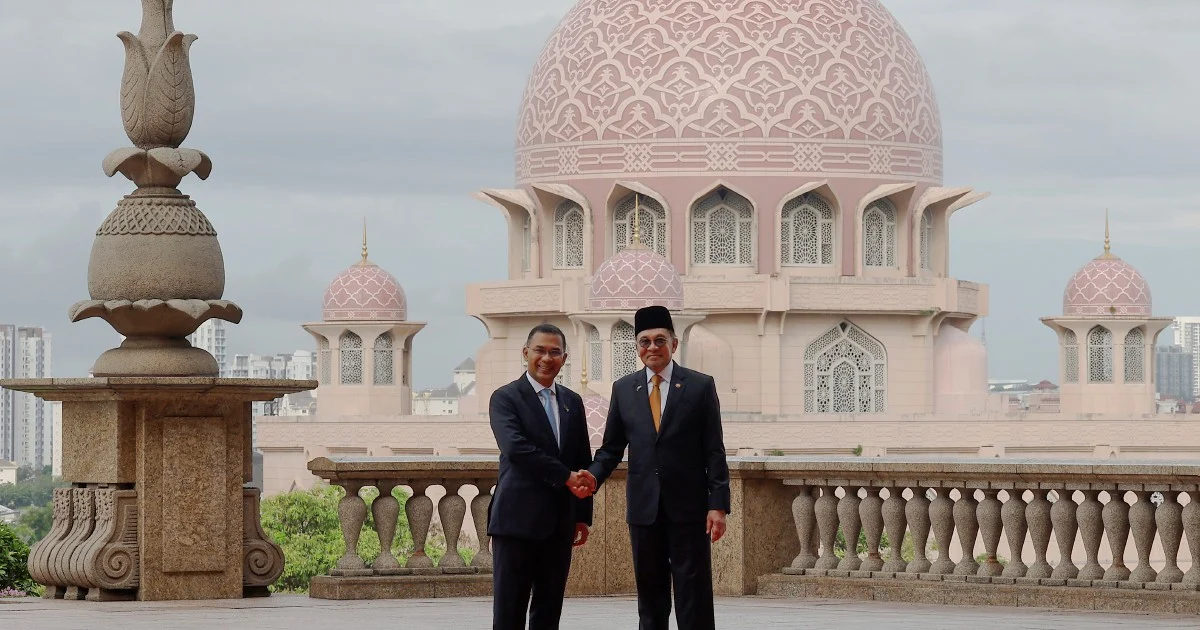
Bangladesh Prime Minister Tarique Rahman arrived in Malaysia today for a two-day state visit, with Prime Minister Anwar Ibrahim extending an official welcome at the Perdana Putra Complex in Putrajaya. The ceremonial reception underscores the growing diplomatic ties between the two South and Southeast Asian nations as they seek to expand cooperation across multiple sectors.
Tarique Rahman's visit marks a significant diplomatic engagement for Malaysia, coming at a time when both countries face interconnected challenges in the region. The Bangladesh premier's acceptance of the formal invitation reflects the importance both governments place on strengthening bilateral relations, particularly given Bangladesh's strategic position as a regional economic player and its substantial diaspora presence in Malaysia.
The two-day itinerary signals an intent to move beyond ceremonial formalities, with discussions expected to cover trade, investment, and people-to-people exchanges. Malaysia's position as an economic hub in Southeast Asia and Bangladesh's emergence as a manufacturing and garment industry powerhouse create natural complementarities that both administrations are keen to leverage. Previous bilateral visits have typically included substantive discussions on expanding market access and facilitating business partnerships.
The timing of this visit occurs within a broader context of Malaysia's efforts to strengthen its diplomatic footprint across South Asia. Under Anwar's leadership, the administration has actively pursued engagement with neighbouring regions, recognising the interdependencies that shape regional stability and prosperity. Bangladesh, with a population exceeding 170 million people, represents a significant market and potential partner for Malaysian enterprises seeking expansion beyond ASEAN.
Bangladeshi nationals constitute one of Malaysia's larger migrant worker populations, with substantial communities working across the manufacturing, construction, and services sectors. This human dimension has long been an important aspect of bilateral relations, though cooperation on labour standards, worker welfare, and remittance facilitation remains an ongoing conversation. Enhanced diplomatic engagement can provide frameworks for addressing challenges that affect hundreds of thousands of workers and their families across both nations.
Trade figures between Malaysia and Bangladesh, while showing growth, still remain relatively modest compared to Malaysia's engagement with other regional partners. Both countries see potential for increasing bilateral commerce, particularly in sectors such as palm oil trade, automotive components, and textile manufacturing. The formal setting of a prime ministerial visit creates opportunities for business councils and industry representatives to forge new partnerships and explore investment possibilities.
Regional security concerns, including maritime stability and terrorism prevention, may also feature in discussions between the two leaders. Bangladesh's experience managing complex security challenges across the Bay of Bengal and in its own territory offers valuable perspectives, while Malaysia's role as a maritime nation and its experience with diverse religious communities could inform broader cooperation on transnational issues.
The official reception at Perdana Putra Complex reflects diplomatic protocol typically reserved for high-level bilateral engagements. Such ceremonies serve not merely as formalities but as public signals of government commitment, demonstrating to domestic audiences and the international community the priority assigned to specific relationships. For Anwar's administration, hosting visiting dignitaries and undertaking reciprocal visits forms part of a broader strategy to position Malaysia as a credible and active participant in regional diplomacy.
Bilateral visits of this nature typically include discussions on cultural and educational exchanges, which can yield long-term benefits for both societies. Enhanced student exchange programmes and academic collaborations between Malaysian and Bangladeshi institutions could strengthen people-to-people understanding and create networks of professionals with deep connections to both countries.
The visit also occurs within Malaysia's broader engagement with South Asia, where the country seeks to maintain strategic balance while pursuing economic opportunities. Bangladesh's relationships with India, China, and other major powers mean that Malaysian engagement must be calibrated carefully to enhance mutual benefit while respecting Bangladesh's own strategic considerations and commitments.
Looking forward, the substantive outcomes of Tarique Rahman's visit will likely determine the trajectory of bilateral relations over the coming years. Joint statements and memoranda of understanding emerging from such visits provide roadmaps for government agencies and private sector actors to pursue concrete collaboration. The formal diplomatic setting established during prime ministerial visits creates momentum that can be sustained through follow-up mechanisms and regular high-level dialogue.
For Malaysia's business community, particularly small and medium-sized enterprises seeking regional expansion, enhanced diplomatic ties with Bangladesh signal improved prospects for market entry and partnership development. Similarly, Bangladeshi enterprises looking to establish manufacturing hubs or sourcing relationships may find Malaysia's infrastructure and regulatory frameworks increasingly accessible through improved bilateral channels.

