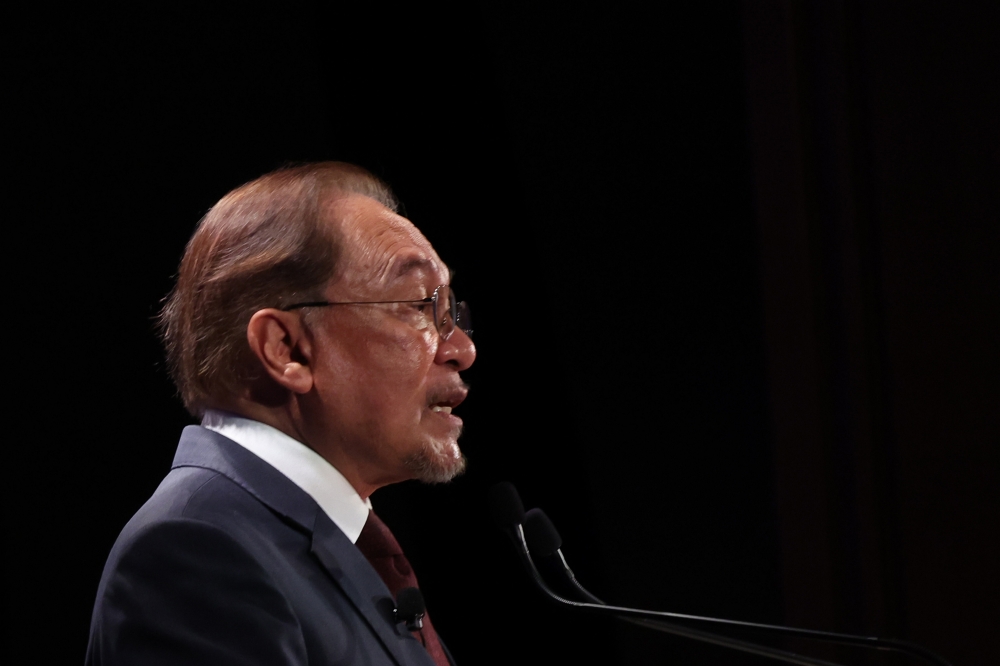
Prime Minister Datuk Seri Anwar Ibrahim has taken legal action against PAS Deputy President Tuan Ibrahim over statements the premier contends damaged his reputation. The defamation suit marks another flashpoint in Malaysia's increasingly combative political landscape, where senior figures routinely resort to litigation to address public accusations.
The decision to pursue court remedies reflects growing friction between Anwar's coalition administration and PAS, which operates as both a parliamentary opposition force and a state-governing party in several Malaysian jurisdictions. This dual positioning has created recurring tension points, particularly as PAS strengthens its influence in Peninsular Malaysia while maintaining administrative control in Kelantan and Terengganu. The timing of the lawsuit underscores how legal mechanisms have become standard political tools in contemporary Malaysian governance.
Defamation cases involving high-ranking politicians have proliferated over recent years, often serving purposes beyond simple reputation management. These suits frequently generate substantial media attention, shape public narrative framing, and create documentary records for political consumption. For observers tracking Malaysia's political evolution, such litigation demonstrates the persistent recourse to judicial channels when politicians disagree, sometimes overshadowing substantive policy discourse.
Anwar's administration has governed through a coalition framework since 2022, navigating complex power-sharing arrangements with multiple partners. This precarious equilibrium has occasionally strained relationships, particularly with PAS, which has pursued parallel state-level agendas independent of federal coalition dynamics. The defamation action signals that such strains now extend into the courts, raising questions about whether litigation might further deteriorate political relationships necessary for legislative stability.
The opposition party has maintained a distinct ideological positioning and policy agenda, sometimes diverging sharply from government directives. PAS leaders, including those in deputy positions, have frequently articulated criticisms of federal policies and personnel. Whether specific remarks crossed into actionable defamation territory involves legal interpretations that courts must now evaluate through established precedent and statutory frameworks.
Malaysian defamation law distinguishes between criminal and civil remedies, with civil suits typically seeking monetary damages for reputational harm. Successful claims require demonstrating that statements were factually false, communicated publicly, and caused demonstrable injury to reputation or standing. The burden of proof rests with the plaintiff, and defences exist for truthful statements and fair comment on matters of public interest. Courts have historically protected political speech while maintaining boundaries against purely malicious falsification.
For the broader regional context, Malaysia's approach to political litigation reflects patterns seen elsewhere across Southeast Asia, where legal systems sometimes become vehicles for political competition. Unlike some neighbouring jurisdictions with more constrained press freedoms, Malaysia's courts retain significant independence, yet they nonetheless adjudicate cases carrying obvious political dimensions. This dynamic creates inherent tensions between protecting individual rights and potentially chilling legitimate political discourse.
Tuan Ibrahim's position as PAS deputy president carries substantial weight within the Islamic party's hierarchy and theological orientation. His statements, particularly if addressing government policies or personnel, potentially reach considerable audiences through party networks and media platforms. The specific content of the allegedly defamatory remarks remains crucial to assessing both the legal merit of claims and the broader implications for political communication standards.
The lawsuit occurs amid broader governance challenges facing the Anwar administration, including economic management pressures, religious diversity navigation, and coalition cohesion maintenance. Every political entanglement potentially diverts leadership attention and institutional resources toward dispute resolution rather than policy implementation. This opportunity cost becomes particularly significant when governing coalitions already operate on narrow parliamentary margins requiring constant calibration.
Historically, defamation suits between Malaysian politicians have occasionally reached settlement stages before trial conclusions, sometimes resulting in public apologies or retraction statements that technically spare defendants courtroom defeats while acknowledging some reputational concerns. Whether this action follows similar trajectories depends partly on whether Anwar and Tuan Ibrahim perceive genuine settlement prospects or remain committed to full judicial vindication.
The case's progression through Malaysian courts will likely extend over months, generating periodic media attention and legal filings that maintain the dispute's public visibility. Depending on outcomes and damages awards, if any materialise, precedents may influence how Malaysian politicians calculate risks associated with public criticism of peers, potentially shaping future political communication standards.
For Malaysian business and international observers, defamation litigation between senior officials occasionally impacts broader governance assessments and political stability perceptions. Courts' handling of such cases influences confidence calculations regarding institutional independence and rule of law consistency. The suit thus carries implications extending beyond the immediate parties involved, affecting how external audiences evaluate Malaysia's political maturity and judicial impartiality.

