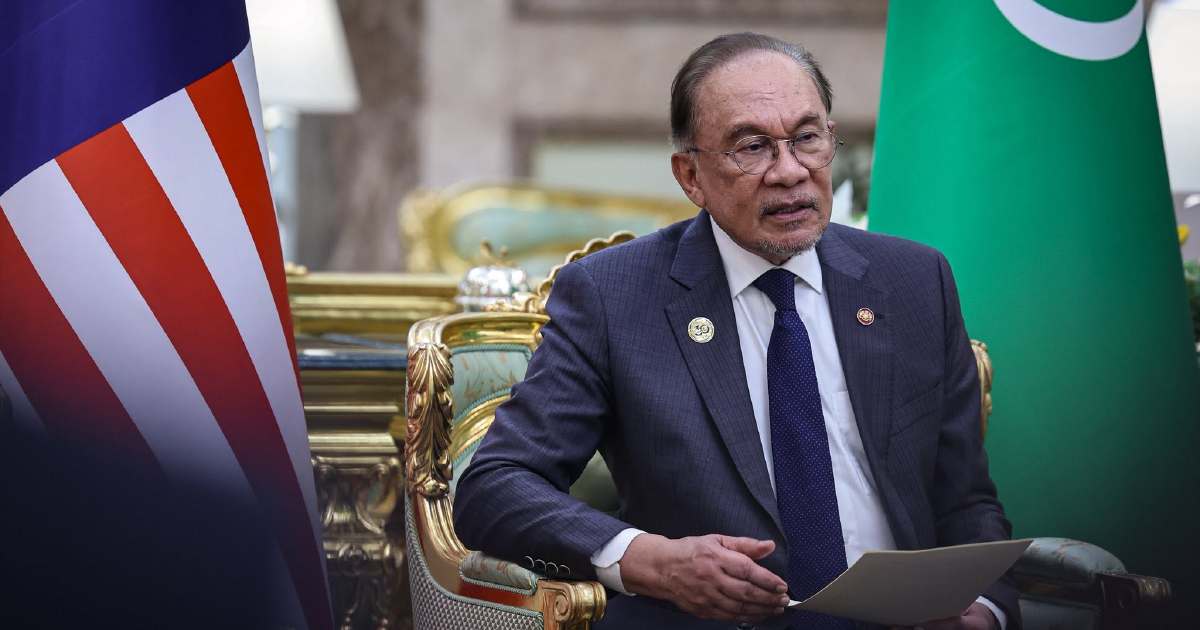
Prime Minister Anwar Ibrahim has expressed strong approval of Petronas's successful negotiation of a major gas field development project in Turkmenistan, marking another strategic victory for Malaysia's energy sector on the international stage. The breakthrough signals renewed confidence in the national oil giant's capacity to compete and secure high-value ventures across emerging markets, particularly in Central Asia where energy competition has intensified in recent years.
The Turkmenistan gas field agreement represents a significant expansion of Petronas's operational footprint beyond Southeast Asia, where the company has traditionally concentrated most of its upstream activities. By securing this deal, Petronas demonstrates its ability to navigate complex geopolitical environments and negotiate with resource-rich nations in strategically important regions. The project carries implications that extend well beyond commercial returns, as it positions Malaysia as a credible energy partner willing to invest in long-term infrastructure development across diverse markets.
Turkmenistan possesses some of the world's largest natural gas reserves, making it a crucial player in global energy supply chains. However, the Central Asian nation has historically faced challenges in monetising its resources due to geographic constraints, international sanctions concerns, and limited export routes. For Petronas, participating in this development signals the company's confidence that these obstacles can be overcome through strategic partnerships and investment. The timing of this breakthrough also reflects broader efforts by Malaysia to strengthen bilateral ties with Central Asian countries, an area where Australian, Chinese, and Russian companies have traditionally dominated.
From a Malaysian perspective, this venture carries multiple strategic benefits. First, it diversifies Petronas's revenue streams and reduces the company's dependence on Southeast Asian operations, where resource competition has driven down margins and increased project costs. Second, success in Turkmenistan could open doors to similar opportunities across the broader Central Asian region, where demand for capital and technical expertise remains high. Third, the deal demonstrates Malaysia's commitment to energy security by engaging with suppliers beyond traditional Southeast Asian partners, potentially creating future supply options for domestic consumption or regional exports.
The geopolitical context surrounding Central Asian energy cannot be overlooked. Russia's continued influence in the region, combined with growing Chinese investment through Belt and Road Initiative projects, creates a complex landscape where Western and Asian energy companies must carefully calibrate their engagement. Petronas's ability to successfully negotiate these waters suggests the company possesses sufficient diplomatic skill and commercial acumen to operate effectively in contested strategic spaces. For Malaysia, this reinforces the nation's positioning as a pragmatic, non-aligned player willing to engage constructively across different spheres of influence.
Petronas has undergone significant transformation over the past decade, shifting from a purely domestic and Southeast Asian-focused operator to a genuinely global energy company with operations across Africa, the Middle East, and increasingly beyond. The Turkmenistan project fits naturally into this evolution, allowing the company to apply hard-earned expertise from projects in challenging environments to new territories. The company's track record of delivering complex offshore and onshore projects provides confidence that it possesses the technical capabilities to manage gas field development in Central Asia's challenging operating conditions.
The commercial structure of this agreement likely involves a combination of exploration, development, and production rights that will provide Petronas with long-term revenue visibility. Gas development projects in frontier regions typically require substantial upfront capital investment, with returns materialising over decades. This patient capital approach has become increasingly difficult for many international energy companies facing pressure from shareholders focused on short-term gains and energy transition concerns. Petronas's willingness to undertake such multi-decade commitments reflects confidence in natural gas demand trajectories and the company's access to capital markets that support long-cycle energy investments.
For Malaysia's broader economic agenda, energy sector success translates into government revenues, foreign exchange earnings, and employment opportunities across the value chain. Petronas contributes significantly to federal coffers through dividends and tax payments, resources the government has committed to infrastructure development and social spending. International project success also elevates Malaysia's profile in global energy circles, potentially attracting additional investment and partnerships that benefit the wider economy. The company's international achievements serve as a source of national pride and validation of Malaysian technical competence in complex industrial sectors.
Looking forward, this Turkmenistan breakthrough may catalyse broader Southeast Asian interest in Central Asian energy partnerships. Regional neighbours observing Petronas's success might pursue similar arrangements, creating opportunities for experience-sharing and collaborative approaches to developing the region's vast hydrocarbon resources. Energy cooperation across Asia's diverse nations remains underdeveloped relative to the continent's resource wealth and consumption patterns. Malaysian leadership in pioneering new partnerships could establish templates for sustainable, mutually beneficial arrangements that serve regional interests more broadly.
The timing of Prime Minister Anwar Ibrahim's public endorsement also reflects the government's strategic interest in highlighting economic wins as Malaysia navigates challenging domestic fiscal circumstances. Energy sector successes provide tangible evidence of government policies' effectiveness and corporate Malaysia's global competitiveness. By celebrating Petronas's achievements, the administration reinforces its commitment to supporting national champions and maintaining Malaysia's relevance in competitive global markets, messaging that resonates with both domestic stakeholders and international investors seeking confidence in Malaysia's economic direction.

