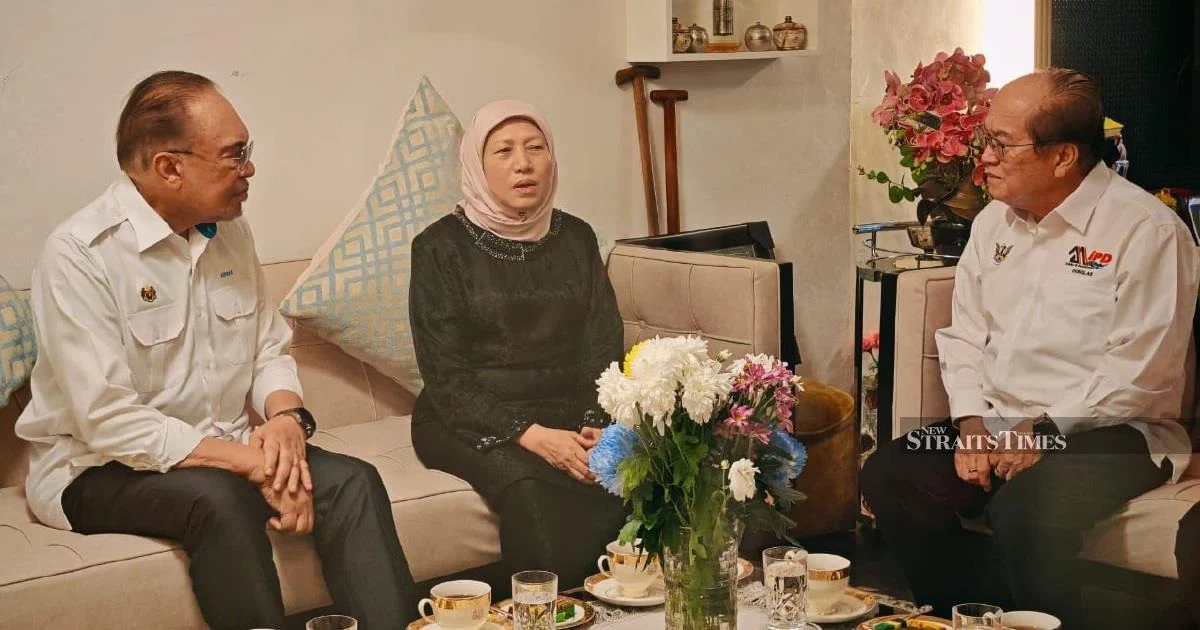
Prime Minister Datuk Seri Anwar Ibrahim demonstrated the bonds within the federal cabinet by making a personal visit to Kuching to express condolences to Women, Family and Community Development Minister Datuk Seri Nancy Shukri. The occasion marked a moment of collective grief within Malaysia's leadership, as the minister grieved the loss of her spouse, Datuk Kamil Misuari. Such gestures, though often overlooked in the routine of national governance, reflect the traditions of solidarity that characterise the Malaysian political establishment during times of personal tragedy.
Nancy Shukri, who holds the portfolio overseeing women's welfare, family support, and community initiatives, has been a prominent figure in the Cabinet since her appointment. The passing of her husband represents a significant personal loss at a time when the minister carries substantial responsibilities in shaping policies that affect millions of Malaysian families. The Prime Minister's decision to travel to Sarawak specifically to pay respects underscores the personal dimension of political leadership, beyond the formalities of governance.
Datuk Kamil Misuari's death marks the end of a chapter in Nancy Shukri's personal life at a juncture when both personal resilience and professional duties intersect. Members of the federal government, civil service, and private sector often extend such formal condolences as both a sign of respect and human compassion. These moments, while private in nature, carry symbolic weight within institutional frameworks where collegiality matters.
The visit to Kuching also reflects the geographical distribution of Malaysia's leadership. Sarawak, as one of the nation's most significant states, maintains strong representation in federal decision-making structures. Nancy Shukri's position as a federal minister from the state demonstrates how East Malaysian political figures continue to play influential roles in national affairs, shaping policies that extend across the peninsula and the two Borneo states.
For families in the public eye, particularly those navigating ministerial responsibilities, personal loss often occurs under public scrutiny. The minister's portfolio directly engages with matters of family structure, welfare support, and community cohesion—areas that hold particular resonance during times of bereavement. How political figures and institutions respond to such circumstances can influence public perceptions of leadership authenticity and emotional intelligence.
The Prime Minister's gesture carries implicit messaging about the unity of the Cabinet and the value placed on its members' wellbeing beyond their professional functions. In a political environment sometimes characterised by tensions and divisions, such demonstrations of solidarity reinforce institutional cohesion. These informal protocols, though rarely reported in comprehensive detail, form the underlying fabric of trust within government structures.
Malaysia's political culture maintains strong traditions around grief and mourning that cross both religious and secular divides. The condolence visit represents an intersection of Islamic practice—where collective mourning forms an important social ritual—and broader Malaysian conventions around respectful acknowledgment of loss. Such practices help maintain social bonds during vulnerable moments.
Nancy Shukri's portfolio positions her at the intersection of family policy, women's empowerment, and community development. The ministry under her direction addresses issues ranging from domestic welfare programs to women's economic participation and family support services. During personal crises, leaders in such positions must balance personal grief with the continuity of work affecting vulnerable populations across the nation.
The timing of such visits often carries practical implications as well. Cabinet ministers, particularly those managing active portfolios, may require space to reorganise personal and professional commitments following significant loss. The Prime Minister's visible support may facilitate smoother transitions in workload management and recovery periods.
For Malaysian readers and observers of federal governance, incidents like these offer reminders that institutional leadership ultimately comprises individuals navigating human experiences. While the machinery of government continues regardless, the personal dimensions—grief, resilience, and collective support systems—remain integral to how national institutions function. The Prime Minister's condolence visit to Nancy Shukri exemplifies how political figures acknowledge these human realities while maintaining the broader work of governance. As the minister moves forward, she will likely draw strength from such institutional and personal support networks that characterise Malaysia's leadership community.

