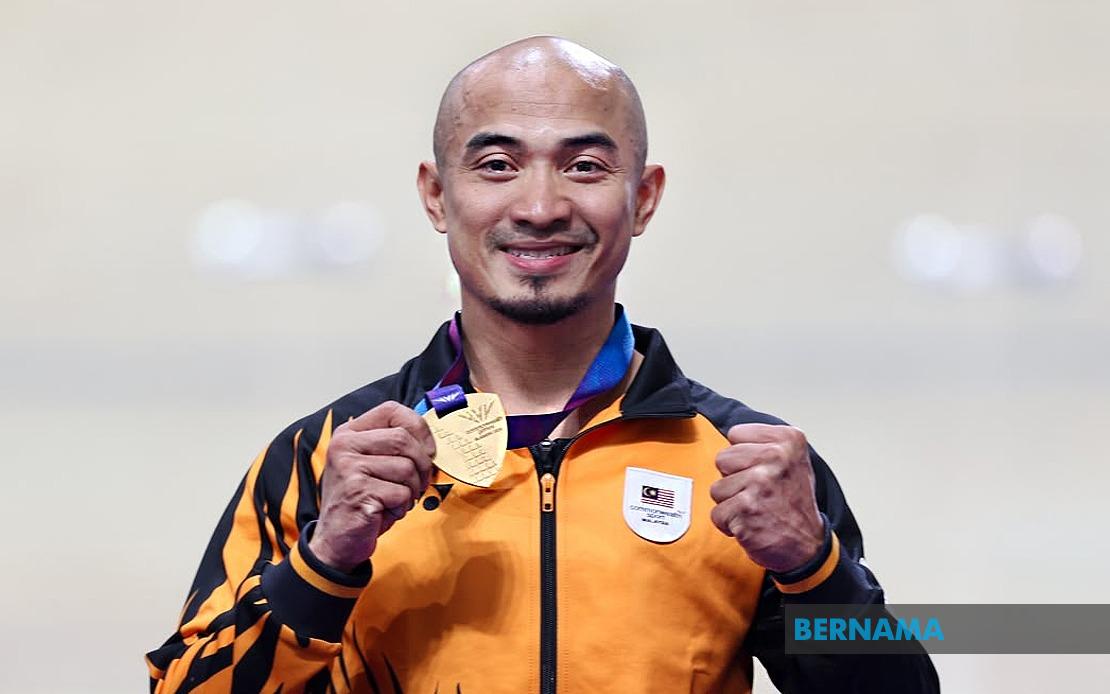
Prime Minister Datuk Seri Anwar Ibrahim has extended his congratulations to track cycling champion Datuk Mohd Azizulhasni Awang following the athlete's breakthrough victory in the men's keirin event at the 2026 Commonwealth Games held in Glasgow. The accolade, shared via social media on August 1, marks recognition of a milestone achievement that carries significant meaning for Malaysian sporting excellence on the global stage.
The "Pocket Rocketman", as Azizulhasni is affectionately known in cycling circles, claimed the coveted gold medal at the Sir Chris Hoy Velodrome, establishing himself as the Commonwealth's premier keirin performer. His triumph represents a personal watershed moment, concluding a 16-year journey since his last gold-medal pursuit at the Games, a timespan that underscores both the competitive rigour of international cycling and the remarkable longevity of an elite athlete's career.
Anwar's remarks emphasised the deeper significance of this victory beyond medal tallies. He characterised the win as a testament to Azizulhasni's resolute commitment, unwavering mental fortitude, and competitive spirit—qualities that resonate strongly within Malaysian sporting culture where grit and perseverance are celebrated virtues. The Prime Minister framed the achievement not merely as an individual triumph but as a source of national pride and collective inspiration for Malaysians aspiring to excellence in their respective fields.
Finishing the 200-metre sprint race ahead of Australia's Leigh Hoffman and England's Harry Ledingham-Horn, Azizulhasni demonstrated the technical mastery and tactical acumen required to prevail in one of track cycling's most explosive disciplines. The keirin format, which demands explosive power, positioning awareness, and split-second decision-making, separates elite performers from the broader field of international competitors. His silver-medallist finish at the Tokyo 2020 Olympics had already established his credentials at the sport's highest level, yet Commonwealth Games gold had remained elusive until this moment.
Meanwhile, Malaysian teammate Muhammad Shah Firdaus Sahrom competed in the same event, ultimately placing seventh and contributing to the team's overall competitive showing. The presence of multiple Malaysian representatives in the keirin final reflects the depth of talent within the national cycling programme and suggests a promising trajectory for future Commonwealth Games cycles.
This victory carries amplified significance as Malaysia's seventh gold medal of the Glasgow 2026 Games, highlighting the nation's competitive strength across multiple sporting disciplines. More specifically, the medal represents the first gold secured by Malaysia's track cycling contingent at this edition of the Commonwealth Games, positioning the sport as a cornerstone of the nation's medal-winning strategy and justifying sustained investment in velodrome training facilities and athlete development programmes.
Azizulhasni's journey to this pinnacle reflects a career marked by persistent excellence and international recognition. His fourth appearance at the Commonwealth Games demonstrates both endurance and continuous competitive engagement—a pattern increasingly rare in modern professional sport where athlete burnout and career transitions frequently interrupt lengthy international participation. His previous Commonwealth Games medals, including bronze in team sprint at New Delhi 2010 and keirin bronze at Glasgow 2014, establish a trajectory of progressive achievement culminating in gold.
The Tokyo 2020 Olympic silver medal that preceded this Commonwealth Games victory showcases Azizulhasni's capacity to compete at the absolute apex of global cycling competition. Achieving silver at the Olympics, the sport's premier competition, typically signals an athlete's arrival among the world's elite. Yet international cycling's competitive hierarchy means that Commonwealth Games success requires distinct preparation, tactical adaptation, and optimal performance timing—factors that converge infrequently across an athlete's career.
For Malaysian cycling and broader sporting administration, Azizulhasni's success validates investment in track cycling infrastructure and talent identification systems. The nation's velodrome facilities and coaching framework have demonstrably produced world-class performers capable of defeating competitors from larger, wealthier sporting nations. This success may catalyse increased policy attention toward cycling programmes and inspire emerging athletes to pursue track cycling pathways.
The geopolitical context of Commonwealth Games competition also warrants consideration. Competition between Malaysia, Australia, England, and other nations occurs within a framework emphasising shared Commonwealth values and sporting fellowship, yet medals remain intensely contested. Azizulhasni's victory against Australian and English competitors carries symbolic weight within this context, demonstrating Malaysian sporting parity with larger developed nations and contributing to regional sporting prestige within Southeast Asia.
Looking ahead, Azizulhasni's gold medal victory may influence strategic planning for subsequent Commonwealth Games and Olympic cycles. His demonstrated capacity to peak on major international stages suggests potential continued relevance at future competitions, though athlete longevity and injury prevention become increasingly complex variables as careers extend. The victory also sets a benchmark for subsequent Malaysian cyclists pursuing Commonwealth Games medals, establishing a contemporary standard of excellence.
Anwar's public recognition of this achievement through social media underscores the political salience of sporting success within Malaysian governance contexts. National sporting victories generate domestic goodwill and international prestige, factors influencing broader national image and soft power considerations. Prime ministerial acknowledgement elevates athletic achievement within public discourse and signals government commitment to sporting development—messaging with implications for public resource allocation and athlete welfare policies.

