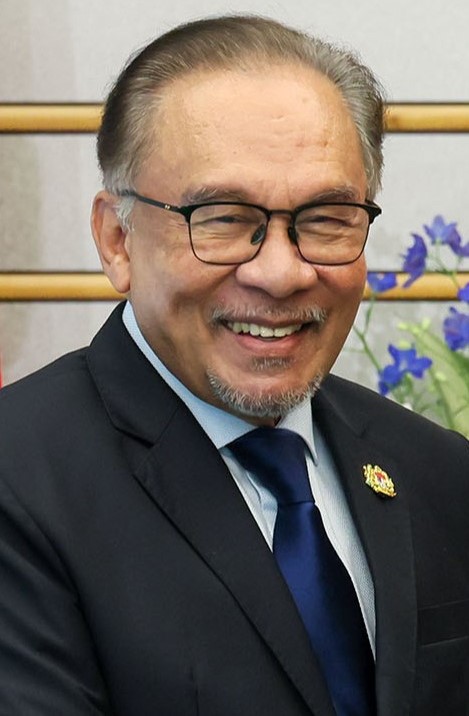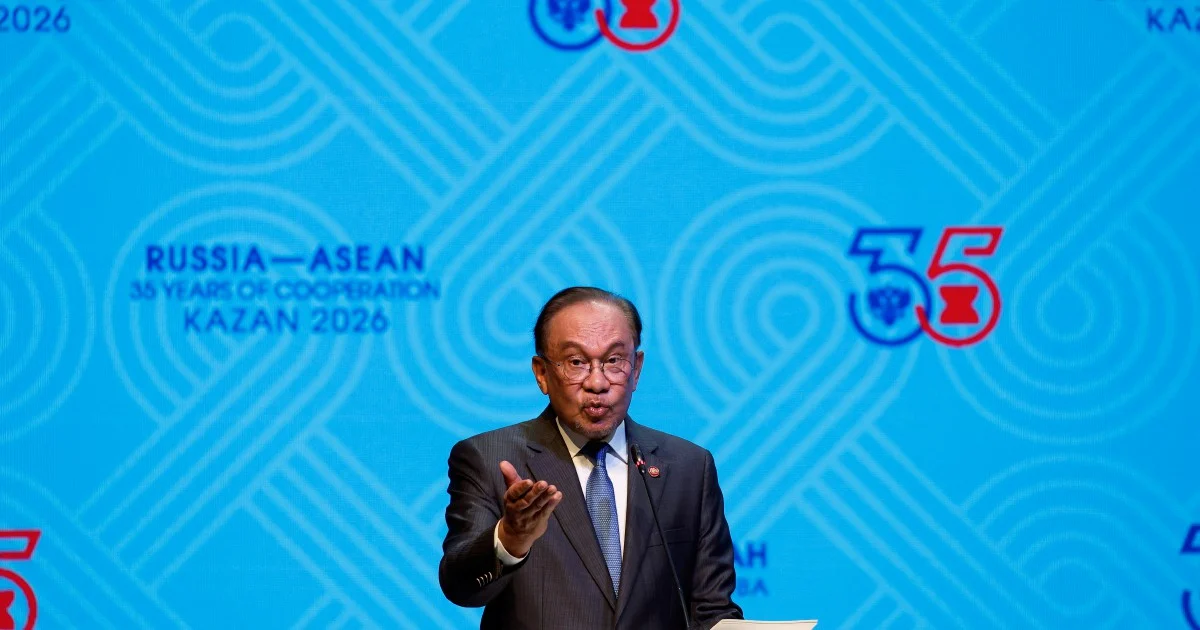
Prime Minister Datuk Seri Anwar Ibrahim has called the newly finalised Asean-Russia Strategic Programme on Trade and Investment Cooperation 2026-2035 a pivotal moment for strengthening economic relationships between the two blocs, though he stressed that securing the right conditions will determine whether commitments translate into tangible commercial gains.
Speaking in Kazan, Anwar characterised the agreement as marking a significant inflection point in the relationship between Southeast Asia and Russia. The 10-year framework represents a deliberate effort to chart a comprehensive path forward for bilateral commerce and capital flows at a time when global trade dynamics are shifting rapidly. For Malaysia and other Asean members, the roadmap opens potential avenues for diversifying trade partnerships beyond traditional Western markets and deepening ties with a major Eurasian economy.
The prime minister's emphasis on creating an "enabling environment" reflects awareness that strategic documents, while important, remain largely theoretical without proper implementation mechanisms. Anwar's framing suggests Asean recognises the need for practical steps—ranging from tariff harmonisation and dispute resolution procedures to logistics improvements and regulatory alignment—that would facilitate actual business transactions. Without these supporting structures, ambitious trade targets can easily remain aspirational rather than achieving real economic impact.
The timing of this agreement carries particular significance for Malaysia, which holds extensive energy interests and manufacturing capacity relevant to Russian markets. Strengthening Asean-Russia ties offers Malaysian businesses opportunities to access new markets for palm oil, petrochemicals, and manufactured goods, while potentially importing Russian energy resources and raw materials at competitive prices. This diversification strategy becomes increasingly valuable as companies seek supply chain alternatives amid ongoing geopolitical tensions affecting traditional trade routes.
For the broader Asean community, the roadmap represents a strategic balancing approach in international relations. As Southeast Asian nations navigate pressures to align exclusively with either Western or Chinese-led frameworks, deepening Russia engagement through a structured trade programme allows the bloc to maintain its cherished policy of strategic autonomy. This positioning reflects Asean's longstanding principle of remaining non-aligned while cultivating relationships across the geopolitical spectrum.
However, realising the agreement's potential faces several obstacles. Western sanctions against Russia create complications for companies considering trade expansion, particularly those with operations in Western markets or those reliant on dollar-denominated transactions. Additionally, logistical challenges related to shipping routes, port infrastructure, and transportation corridors between Southeast Asia and Russia require significant investment. Asean nations must also ensure that competitive industries within member states do not suffer from increased imports that could undermine local manufacturers.
Anwar's cautious optimism reflects Malaysia's wider economic strategy during a period of global uncertainty. With traditional partners increasingly focused on their own domestic challenges and regional competition intensifying, expanding the scope of international partnerships becomes essential for maintaining growth momentum. The Russia roadmap forms part of a broader canvas that includes upgraded relationships with China, India, Japan, and other major trading partners.
The agreement also carries implications for Asean's collective positioning. By finalising a structured trade framework with Russia, the bloc demonstrates capacity for independent decision-making in crafting multilateral arrangements. This assertion of agency matters for maintaining Asean relevance in an era when larger powers often attempt to dictate terms of engagement to smaller economies.
Moving forward, successful implementation will require establishing clear institutional mechanisms, regular review mechanisms, and dispute resolution procedures. Both Asean and Russia must designate implementing bodies with adequate resources and authority to remove bottlenecks hindering commerce. Trade associations in member states should be engaged early to identify sector-specific opportunities and obstacles that policymakers must address.
The decade-long timeframe of the roadmap allows for phased expansion of trade relationships, providing flexibility as circumstances evolve. Early priority should focus on sectors where natural complementarities exist—such as energy, agriculture, and raw materials—before expanding into more complex manufacturing and services sectors. This sequential approach maximises chances of generating sufficient initial success to build momentum for deeper integration.
For Malaysia specifically, the roadmap presents opportunities across multiple sectors. Malaysian port operators and logistics companies stand to benefit from increased cargo flows. Manufacturing exporters can explore Russian markets for machinery and consumer goods. Energy companies, whether state-owned or private, may find opportunities in bilateral cooperation on hydrocarbon projects or renewable energy partnerships.
Ultimately, Anwar's message reflects both enthusiasm for expanding Asean-Russia ties and pragmatic recognition that political agreements require supporting institutional and commercial infrastructure to succeed. The coming months will prove critical for assessing whether either bloc genuinely commits resources to implementing the roadmap's provisions, or whether it becomes another high-profile accord that generates minimal real-world trade growth. The prime minister's emphasis on enabling conditions suggests Malaysia is aware of these pitfalls and intends to push for substantive follow-up action rather than accepting the agreement as a concluding achievement.