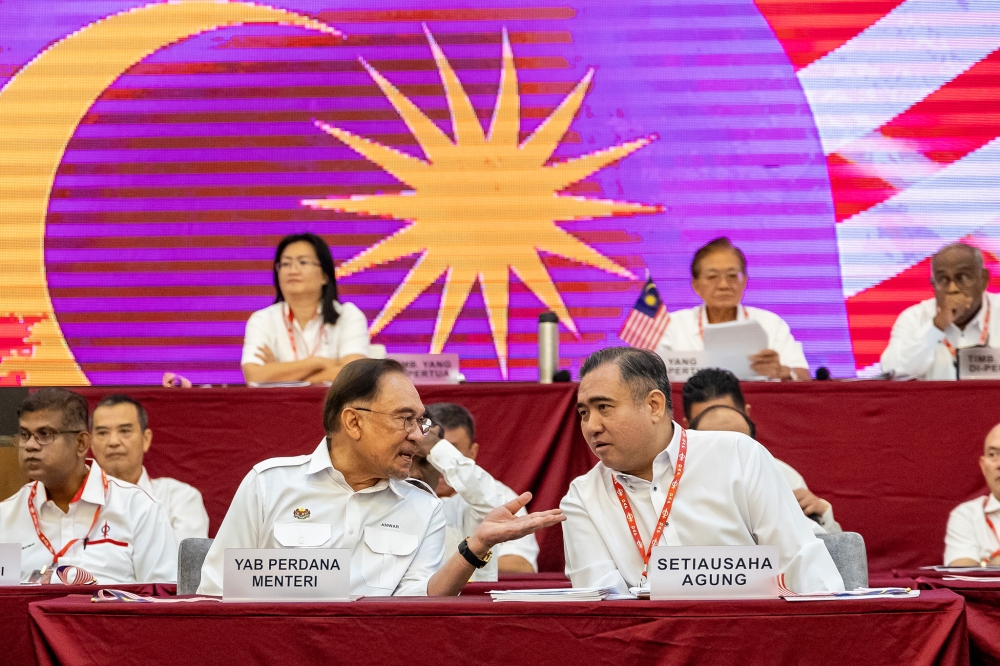
Prime Minister Datuk Seri Anwar Ibrahim has made a direct appeal to the Democratic Action Party's Melaka branch to reverse course on quitting the state government, framing the move as potentially damaging to the broader Pakatan Harapan coalition and regional governance. Speaking in Port Dickson on July 14, Anwar cautioned that an abrupt departure would undermine the collaborative relationship that has sustained the coalition's control of the state since 2018 and could create unnecessary turbulence ahead of state-level polls.
The Melaka DAP's decision to withdraw from the state executive council has emerged as a significant test for coalition cohesion during a period when Anwar's federal administration faces mounting political challenges. The party's grievances centre on what it perceives as an unequal distribution of ministerial portfolios and decision-making influence within the Melaka state apparatus, a complaint that echoes broader tensions within Pakatan Harapan's power-sharing arrangements across Malaysia's devolved structures. By encouraging the party to shelve its exit plan, Anwar is attempting to resolve the dispute through dialogue rather than allowing it to fester into a public rift that could embolden opposition parties waiting to exploit any fracture in the ruling coalition.
Anwar's intervention reflects the delicate balance required to manage a coalition comprising parties with distinct ideological positions and regional power bases. The DAP's frustration with its Melaka standing is not merely a parochial grievance but signals broader anxiety within the party about its role within Pakatan Harapan, particularly given DAP's electoral performance and organisational capacity in the state. The party's contemplated exit would represent one of the most visible acts of intra-coalition rupture since Pakatan consolidated its federal dominance, potentially setting a precedent for other dissatisfied partners to reconsider their commitment to shared governance frameworks.
The timing of Anwar's appeal carries strategic significance. With speculation about the date of the next Melaka state election mounting, any destabilisation of the incumbent coalition government could provide the opposition Barisan Nasional or other challengers with an opening to recapture the state. Melaka has proven a significant prize in Malaysian electoral competition, and its governance has become emblematic of Pakatan's capacity to deliver inclusive and responsive administration at the subnational level. A collapse of the coalition arrangement would not only embolden opposition narratives about Pakatan's instability but also potentially affect voter confidence in the federal government ahead of the next general election.
For DAP, the decision to initially withdraw reflected accumulated frustration with what party strategists view as inadequate recognition of its contribution to Melaka's governance. The party has long contended that its electoral organisation and policy advocacy merit greater representation in executive positions and Cabinet-level decision-making structures. This disagreement sits within a broader pattern of negotiation over portfolio allocation and ministerial responsibilities within Pakatan-controlled states, where smaller coalition partners often feel disadvantaged relative to larger competitors. The party's willingness to take such a dramatic step suggests internal pressure from its membership and grassroots organisers who view the current arrangement as untenable.
Anwar's public plea effectively signals that the federal government takes the dispute seriously enough to warrant direct prime ministerial intervention, but also communicates to DAP that a more confrontational approach would be counterproductive. By framing the issue as one requiring postponement rather than capitulation, Anwar creates space for DAP to save face while reconsidering its timeline. This rhetorical positioning suggests that negotiations over substantive portfolio adjustments and governance improvements might proceed in parallel with the party's decision to remain in government, allowing both parties to claim some progress in resolving their underlying grievances.
The broader implications for Malaysian coalition politics are substantial. If DAP reverses its exit decision following Anwar's intervention, it would demonstrate that senior political figures retain capacity to resolve disputes through persuasion and dialogue, reinforcing the federation as a negotiated entity where grievances can be aired and addressed without triggering governmental collapse. Conversely, should DAP maintain its withdrawal despite Anwar's appeals, it would signal that frustrations within Pakatan have reached a threshold where even prime ministerial pressure cannot contain them, with significant ramifications for coalition stability across other states and at the federal level.
For Malaysian voters and observers, the episode illustrates the enduring complexity of managing coalition governments in a plural political system where multiple parties must coordinate across federal and state jurisdictions. It also highlights the particular vulnerabilities of minority coalition partners who must constantly negotiate their position relative to larger competitors while maintaining internal party cohesion and satisfying their own supporters' expectations of meaningful influence. The resolution of this Melaka dispute will likely establish precedents that shape how similar disagreements are handled within Pakatan and across Malaysia's broader political landscape in the months ahead.

