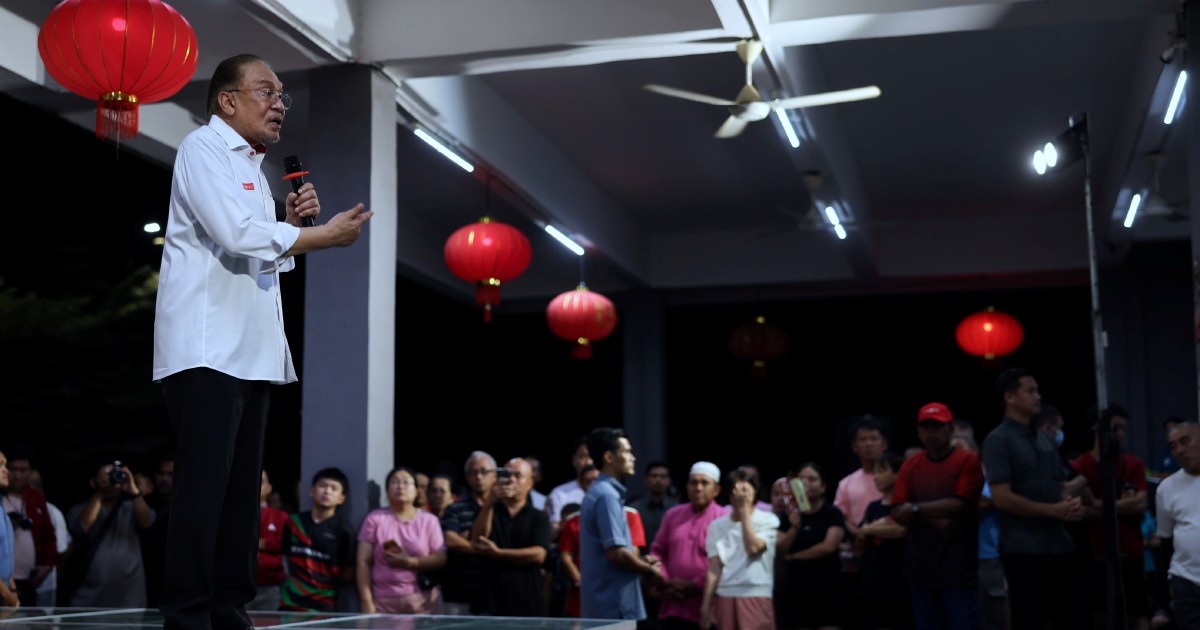
Prime Minister Datuk Seri Anwar Ibrahim has committed to placing Malaysia's troubled durian industry at the forefront of diplomatic discussions during his forthcoming visit to China next month, with plans to personally raise the matter of collapsing domestic prices with Chinese Premier Li Qiang. Speaking in Tangkak, a region central to Malaysia's durian production, Anwar signalled the government's determination to tackle an escalating crisis that has left growers struggling with unsustainable market conditions and mounting stockpiles of the prized tropical fruit.
The price collapse affecting Malaysian durians reflects a perfect storm of supply-side pressures combined with shifting market dynamics across Asia's largest economy. Malaysia's durian sector has been grappling with a substantial oversupply situation that has depressed prices to levels that threaten the viability of farming operations, particularly among smallholder producers who form the backbone of the industry. The domestic glut represents a departure from recent years, when Malaysian durian commanded premium prices in regional markets, driven by steady demand from affluent consumers in China and Southeast Asia.
China remains the linchpin of Malaysia's durian export strategy. The country's burgeoning middle class has developed an insatiable appetite for premium tropical fruits, transforming China from a marginal buyer into Malaysia's largest export market for durians over the past decade. However, the recent softening of Chinese demand, coupled with increased competition from Thai and Vietnamese producers who have expanded cultivation significantly, has created a challenging environment for Malaysian farmers seeking to maintain their historical price advantage.
Anwar's diplomatic initiative reflects recognition that trade negotiations at the highest political level may be necessary to unlock new opportunities in the Chinese market. The visit presents an opportunity to discuss market access, potential tariff reductions, or promotional initiatives that could help Malaysian durian producers move larger volumes into China. Such high-level engagement signals to the agricultural sector that the government is actively investing diplomatic capital to address their concerns, sending an important message during a period of financial hardship for many farmers.
The Tangkak engagement itself is strategically significant. The region is one of Malaysia's premier durian cultivation zones, and the Prime Minister's presence there underscores the political importance of the agricultural community. By anchoring his commitment to the problem in a key production area, Anwar demonstrated tangible engagement with the growers bearing the brunt of the crisis, rather than making abstract promises from the capital. This localized approach to crisis communication helps build confidence among farmers that their plight has genuine traction within the highest echelons of government.
Beyond immediate price relief, Anwar's initiative hints at longer-term strategic thinking about Malaysia's position in global durian markets. Diversifying export destinations and reducing dependency on any single country remains a critical vulnerability in the current market structure. However, any such diversification must acknowledge that China's sheer purchasing power and preference for Malaysian durians make it an irreplaceable anchor for the sector's economic sustainability. The challenge lies in finding ways to stabilize the relationship with Beijing while gradually expanding market share in secondary markets across Asia and increasingly in developed economies like Australia and parts of Europe.
The government's focus on expansion rather than production constraints suggests a demand-side approach to addressing the glut. This contrasts with alternative strategies that might involve reducing cultivation areas or supporting farmer transitions into alternative crops. The export-focused approach carries political advantages, as it frames the government as actively fighting for farmer interests rather than managing decline, but it also assumes that Chinese demand can be meaningfully expanded through diplomatic channels and marketing initiatives.
For Malaysian readers and policymakers, the durian crisis illustrates broader vulnerabilities in the country's agricultural export model. Heavy reliance on single markets for high-value commodities creates systemic risks, particularly when those markets experience economic slowdowns or policy shifts. The situation reflects similar dynamics that have affected Malaysian palm oil, rubber, and timber sectors historically, where commodity price swings have had profound economic impacts across rural communities. Building resilience requires simultaneous investment in market diversification and supply-side modernization, neither of which offers quick fixes to current suffering.
The Chinese connection also reflects deeper economic interdependencies between Malaysia and China that extend far beyond agricultural trade. Any discussion of durian prices inevitably occurs within the context of bilateral investment, infrastructure projects, and broader trade relationships. Anwar's framing of the durian issue as worthy of premier-level attention suggests it carries significance beyond the agricultural sector alone, reflecting the fruit's role as an emblem of Malaysia-China economic engagement.
Looking ahead, the success of Anwar's Beijing visit will be measured not merely by diplomatic courtesy but by tangible outcomes—whether in the form of expanded import quotas, reduced tariffs, or coordinated marketing campaigns. Chinese Premier Li Qiang's receptiveness to Malaysian concerns will depend partly on broader Chinese economic conditions and partly on whether Malaysian durians can be repositioned as essential rather than optional within the Chinese market. The coming weeks will reveal whether high-level political will can reverse market forces that have accumulated over recent months.

