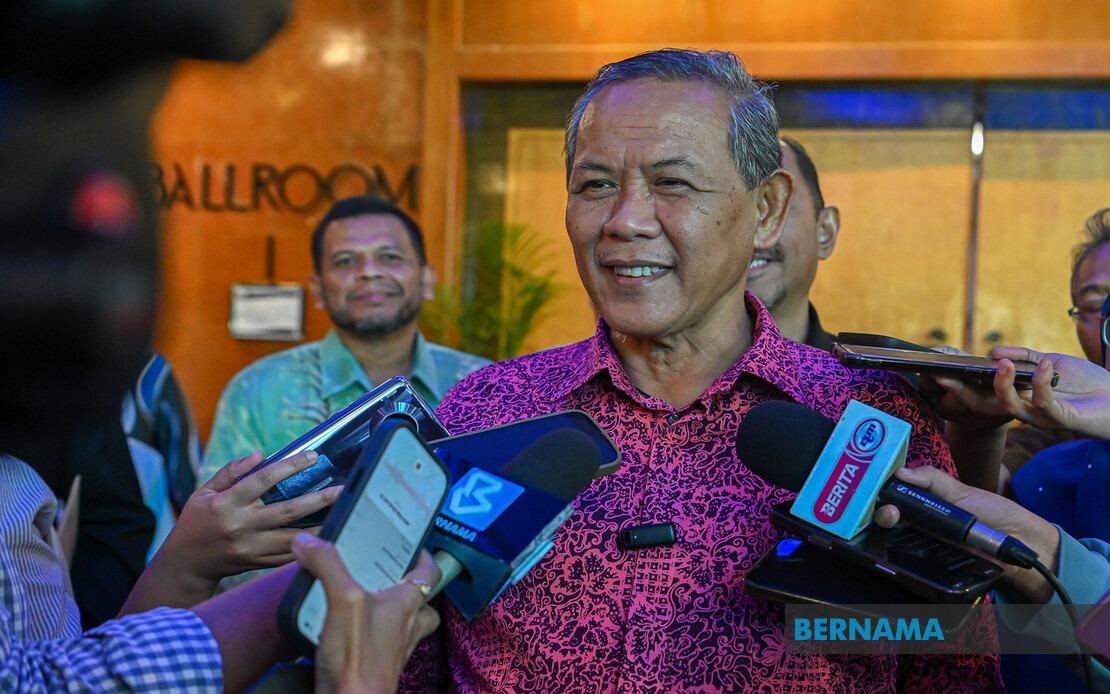
Prime Minister Datuk Seri Anwar Ibrahim will formally introduce Pakatan Harapan's entire slate of contenders for the 16th Negeri Sembilan state election at a public ceremony on Tuesday in Dataran Melang, Kuala Pilah, according to Negeri Sembilan PKR chairman Datuk Seri Aminuddin Harun. The announcement marks the culmination of weeks of internal coalition negotiations and represents a decisive moment as the election campaign enters its final stretch.
The coalition has already concluded its candidate selection process, with the finalised list submitted to party leadership for approval. By having Anwar—who holds both the PKR presidency and the nation's top political office—personally unveil the candidates, Pakatan Harapan signals the strategic importance it attaches to reclaiming or maintaining control of this central Malaysian state. The symbolic weight of a prime ministerial announcement underscores the coalition's commitment to delivering victory in what promises to be a closely contested contest.
Amidst widespread anticipation about individual candidacies, Aminuddin himself has remained circumspect regarding speculation that he will seek the Linggi state seat. The incumbent Sikamat assemblyman and sitting Menteri Besar has deflected questions about his personal political plans, preferring to direct public attention towards the official unveiling. His measured response reflects a disciplined approach to managing internal party dynamics and avoiding premature disclosure that could complicate broader coalition strategies or antagonise factions within the movement.
The distribution of contested seats among coalition partners demonstrates the delicate balance Pakatan Harapan must maintain to preserve unity. PKR will field 16 candidates across the state's 36 seats, a substantial allocation reflecting the party's dominant position within the coalition. The Democratic Action Party will contest 11 seats, while Amanah has been allocated the remaining nine positions. This arrangement, finalised in June, represents compromises negotiated across three distinct political organisations with sometimes competing regional interests and membership bases.
For Malaysian voters and political observers, the candidate announcements will reveal crucial details about the coalition's strategic priorities and the balance of power between coalition partners. Seat allocations often reflect which parties leadership believes can deliver victories in specific constituencies, influenced by factors ranging from demographic composition to historical voting patterns and local political personalities. The choices made will indicate whether Pakatan Harapan intends to pursue an aggressive expansion strategy or consolidate its existing strongholds.
Negeri Sembilan holds particular significance within Malaysia's political landscape. As a state where power has shifted between coalitions in recent electoral cycles, the result will contribute to the broader narrative of Anwar's government's political viability and popularity. A strong performance could strengthen the Prime Minister's position heading into potential national elections, while a disappointing showing would invite fresh questions about the stability of his administration and coalition governance arrangements.
Aminuddin, speaking in his capacity as both PKR's Negeri Sembilan leader and the state's chief executive, has urged all candidates and party structures to concentrate efforts on campaign mobilisation. His message emphasises that internal candidate selection, while important, must yield quickly to unified public advocacy for Pakatan Harapan's vision and policy agenda. This pivot from selection to campaigning reflects recognition that the election will ultimately turn on grassroots momentum, policy messaging, and voter engagement rather than structural arrangements.
The Election Commission has structured the electoral calendar to provide a compressed but functional campaign window. With nomination day scheduled for July 18 and polling set for August 1, candidates will have roughly two weeks between official registration and voting day to conduct campaigning. Early voting will occur on July 28, meaning significant portions of the electorate could cast ballots before the campaign formally concludes, creating time-pressure dynamics that reward well-organised parties with established ground machinery.
For Pakatan Harapan, the candidate announcement represents a critical juncture where internal coalition coherence becomes publicly visible. Controversies during selection processes—whether perceived unfairness, dynastic privilege, or underrepresentation of particular groups—can linger and undermine campaign enthusiasm. Conversely, a widely-accepted slate announced with confidence and prime ministerial endorsement can energise party members and project unity to voters evaluating which coalition deserves their trust.
The announcement ceremony itself carries ceremonial and practical significance. By gathering supporters and media in Kuala Pilah, the coalition demonstrates organisational capacity and public presence in the Negeri Sembilan heartland. The venue choice, Dataran Melang, situates the event in a physical space that becomes symbolic territory in the contest for voter attention and local credibility. Such gatherings also provide operational opportunities for candidates to begin establishing campaign momentum immediately following their public unveiling.
Looking ahead, Tuesday's candidate rollout will enable media and political analysts to assess coalition strength through several lenses: the quality and experience of nominated contenders, the prominence of sitting legislators being renominated versus newcomers, the geographic distribution of candidates across constituencies, and demographic representation including gender balance and generational mix. These factors collectively communicate whether Pakatan Harapan approaches the election with confidence born from systematic preparation or whether visible gaps suggest organisational constraints or internal tensions.
For Negeri Sembilan voters, the coming weeks will determine which coalition can most effectively translate organisational coherence into electoral support. The period from the candidate announcement through polling day will test whether Pakatan Harapan can maintain the unified messaging required to convince sufficient voters that a third consecutive term merits continuation, or whether opposition coalitions can exploit any visible weaknesses in the campaign apparatus or candidate selection process to consolidate anti-government sentiment.

