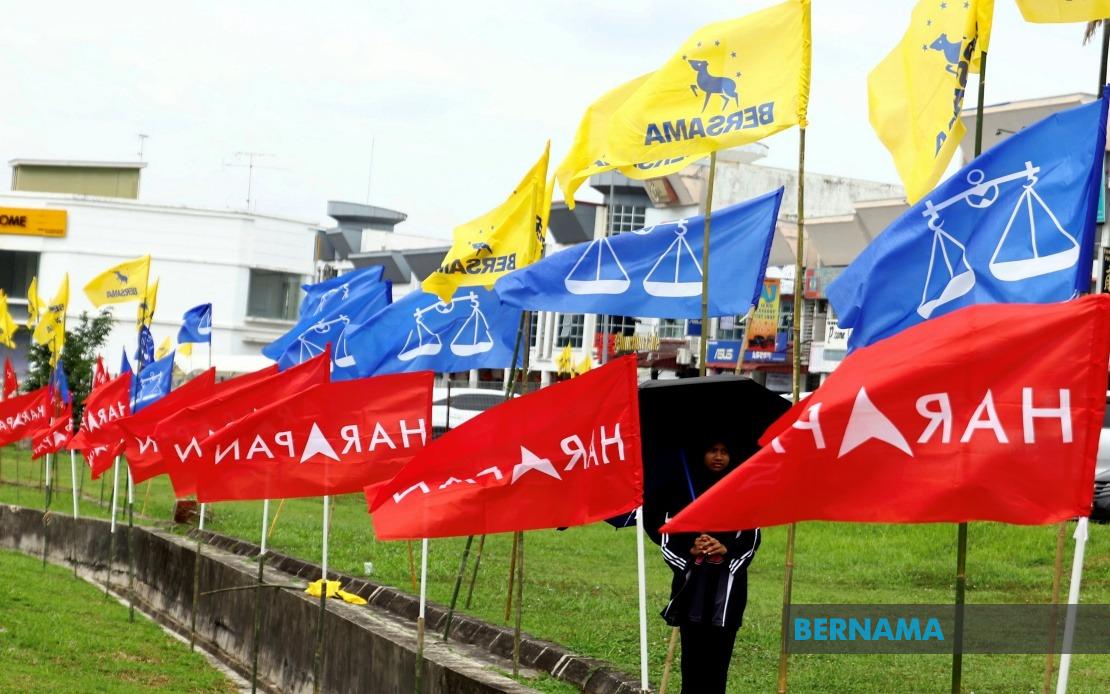
Prime Minister Datuk Seri Anwar Ibrahim has made a direct appeal to the people of Johor to entrust Pakatan Harapan with governing the state as voters prepare to cast their ballots in the 16th Johor state election this Saturday. Speaking through a Facebook post, the PH chairman stressed that the coalition stands ready to dedicate itself to the welfare and development of the southern state if granted the electoral mandate.
Anwar's intervention underscores the high stakes surrounding Johor's elections, a state that has historically been a bastion of Barisan Nasional support but has seen shifting political dynamics in recent years. The appeal arrives in the final days of campaigning, a critical juncture when voters are finalizing their electoral choices and when leadership messaging carries particular weight. By directly addressing the people of Johor, Anwar is positioning himself as invested in the state's future governance and signaling PH's seriousness about delivering tangible benefits to the electorate.
The Prime Minister framed PH's candidacy around two central commitments: the protection of Johor's interests and ensuring that development gains translate into improved living standards for ordinary residents. This messaging reflects PH's broader strategy of grounding its electoral pitch in practical governance outcomes rather than abstract political ideology. For Johor voters, particularly those concerned about economic opportunities and public services, such concrete assurances represent a departure from traditional campaign rhetoric and suggest a focus on deliverables.
Anwar also extended a poignant call to Johor-born residents living elsewhere in Malaysia and abroad, urging them to return home to fulfill their civic duty at the ballot box. This appeal recognizes a demographic reality that affects many Malaysian states: internal migration has dispersed populations as citizens pursue employment and educational opportunities in other regions. By encouraging diaspora voters to make the journey home, Anwar acknowledges that the state's electoral outcome depends not only on resident populations but also on those with deep Johor roots who maintain stakes in the state's trajectory.
To reinforce his message and connect with voters on a cultural level, Anwar deployed a traditional Malay pantun—a poetic form that carries cultural resonance in Malaysian society. The verse, which references Johor's iconic laksa dish and urges citizens to return with hope to develop the state further, demonstrates political awareness of how leaders can engage voters beyond conventional political language. The use of pantun reflects an understanding that electoral persuasion operates through multiple channels, including cultural and emotional appeals that complement rational policy arguments.
The Johor state election represents a significant test of Pakatan Harapan's electoral viability outside its traditional strongholds. The state has undergone considerable political realignment since 2018, and Saturday's contest will provide crucial indicators of whether PH can consolidate gains or whether it faces headwinds in consolidating the multiethnic coalition support necessary for statewide victories. With 172 candidates vying for 56 state assembly seats, the election sees intensive competition across a broad geographical and demographic spectrum.
For Malaysian observers and analysts, Johor's election outcome carries implications extending well beyond the state itself. Electoral performance here could signal broader trends regarding voter sentiment toward the federal government, economic management, and internal coalition dynamics within PH. A strong showing would strengthen Anwar's position ahead of potential federal elections, while disappointing results might prompt internal reassessment of campaign strategies and policy priorities. The state's economic significance—as a major contributor to Malaysia's GDP and a crucial manufacturing and logistics hub—means that effective governance in Johor affects not only the state's residents but also Malaysia's broader economic performance.
Anwar's personal involvement in the campaign demonstrates the premium that the federal government places on the Johor outcome. As Prime Minister rather than merely as PH chairman, his intervention carries the weight of national leadership and suggests this election is not simply a state contest but carries implications for federal governance and coalition cohesion. The timing and tone of his appeals—measured, focused on governance competence, and anchored in emotional connection to the state—suggest a strategic approach designed to appeal to pragmatic swing voters who may prioritize effective administration over partisan loyalty.
The coalition's readiness messaging also reflects lessons learned from previous state elections, where preparedness to govern effectively proved decisive in converting electoral support into actual mandate. By pre-emptively committing to specific outcomes—safeguarding Johor's interests and distributing development benefits equitably—PH is attempting to establish accountability benchmarks against which voters can measure future performance. This approach represents a subtle shift toward results-oriented politics, potentially resonating with voters fatigued by conventional political positioning.
As Johor voters head to polling booths on Saturday, Anwar's appeals synthesize practical governance promises with cultural and emotional appeals designed to mobilize the broadest possible coalition. Whether this multifaceted approach succeeds in delivering the electoral mandate the Prime Minister seeks will substantially influence the political landscape in Malaysia's southern region and provide important signals regarding voter preferences heading toward potential federal elections. The state's result will demonstrate whether PH can translate its federal governance record into sustained state-level support, or whether traditional political alignments continue to constrain its electoral ceiling.

