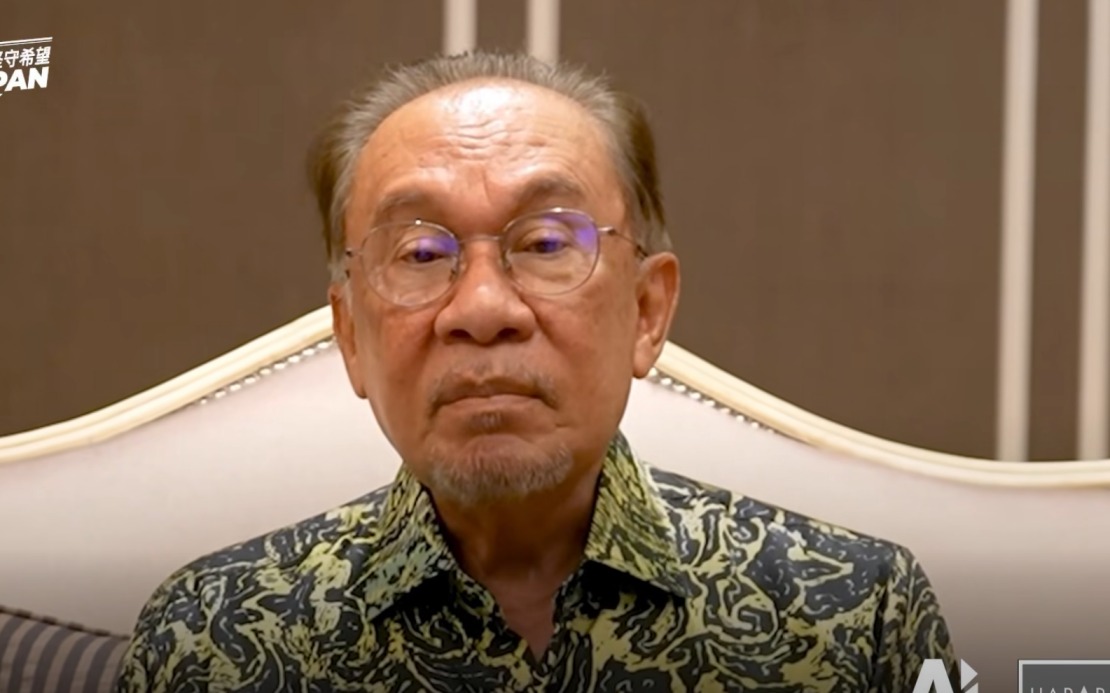
Prime Minister Datuk Seri Anwar Ibrahim has made a direct electoral appeal to Malaysia's military and police personnel, urging them to cast their votes for Pakatan Harapan candidates in the forthcoming Negeri Sembilan state election. In a video message disseminated via social media on Friday, the PH chairman framed the election as an opportunity for security forces to endorse the coalition's governance record and its plans for enhanced benefits for armed and uniformed personnel.
The appeal carries particular weight given the substantial participation of security personnel in the electoral process. Early voting in Negeri Sembilan will see approximately 16,884 members of the Malaysian Armed Forces and their spouses, alongside 5,455 police officers, exercising their franchise at 38 designated early voting centres across the state. These early votes will be cast on Tuesday, ahead of the general polling day scheduled for August 1.
Anwar's messaging strategy centred on positioning the government's record on security sector welfare as a foundation for continued partnership. He articulated that his Cabinet had undertaken sustained efforts to strengthen provisions for ATM and PDRM personnel, yet acknowledged scope for further advancement. This balanced framing—celebrating past achievements whilst signalling future commitment—reflects an understanding that security personnel hold particular expectations regarding remuneration and institutional support.
The Prime Minister detailed the specific welfare domains his administration claims to have prioritised. These encompass salary structures, essential infrastructure and facilities, housing provisions, and educational pathways for dependent children. Additionally, he highlighted government transfer programmes targeted at security sector families, particularly the Sumbangan Tunai Rahmah and Sumbangan Asas Rahmah schemes, which deliver cash assistance to lower-income households. Healthcare coverage for retired parents and pensioners also featured prominently in his articulation of welfare improvements.
Beyond enumeration of benefits, Anwar framed electoral participation as an expression of trust and partnership. He positioned voting for PH candidates as a reciprocal gesture, urging security forces to reciprocate government investment with political support. The messaging implied that electoral endorsement would translate into renewed mandate and enhanced capacity for welfare expansion, presenting a virtuous cycle between security sector support and institutional development.
The timing of this appeal reflects broader strategic considerations within Malaysia's electoral landscape. State elections in individual states have become crucial testing grounds for ruling coalition support and provide early indicators of shifting electoral sentiment ahead of potential federal-level contests. Negeri Sembilan, as a traditionally significant state, holds symbolic weight within national politics. Security personnel constituencies, though numerically smaller than general electorates, represent organised and potentially influential voting blocs capable of generating mobilisation effects within their communities.
For security sector personnel, state-level elections present an opportunity to signal priorities directly to political leadership. The concentration of early voters from military and police backgrounds in a single state election amplifies their collective voice and may provide feedback on whether current welfare trajectories align with institutional expectations. Anwar's direct outreach suggests PH perceives this segment as neither automatic nor dismissible, warranting personalised engagement from the Prime Minister himself.
The appeal also reflects evolving dynamics within Malaysia's security sector engagement with electoral politics. Historically, institutional neutrality and apoliticism characterised official doctrine. Contemporary practice, however, shows increasing explicit encouragement for security personnel participation, with party leaderships actively soliciting their votes. This shift raises questions about the boundaries between institutional independence and political alignment, though all registered citizens retain legal franchise rights.
From a Southeast Asian perspective, Malaysia's approach—direct appeals to security sector voters through populist welfare messaging—mirrors patterns observable across the region where competitive electoralism and state capacity for targeted transfers intersect. The strategic importance accorded to uniformed personnel reflects their continuing institutional significance in hybrid political systems balancing democratic contestation with security imperatives.
Anwar's framing subtly addressed potential grievances within the security sector. By acknowledging that "room for improvement" persists despite government efforts, he acknowledged sector concerns whilst positioning PH as the vehicle for addressing them. This preempts opposition messaging that might portray current welfare as inadequate, whilst simultaneously creating electoral quid pro quo expectations—security sector support in exchange for accelerated welfare advancement.
The election results in Negeri Sembilan will therefore carry implications extending beyond state governance into national political calculations. The performance among security sector voters could signal whether PH's welfare initiatives have generated sufficient institutional reciprocity, or whether security personnel respond to alternative political messaging. For analysts monitoring Malaysian electoral trends and state-federal relations, this segment of early voters merits particular attention as a potential indicator of broader coalition stability.

