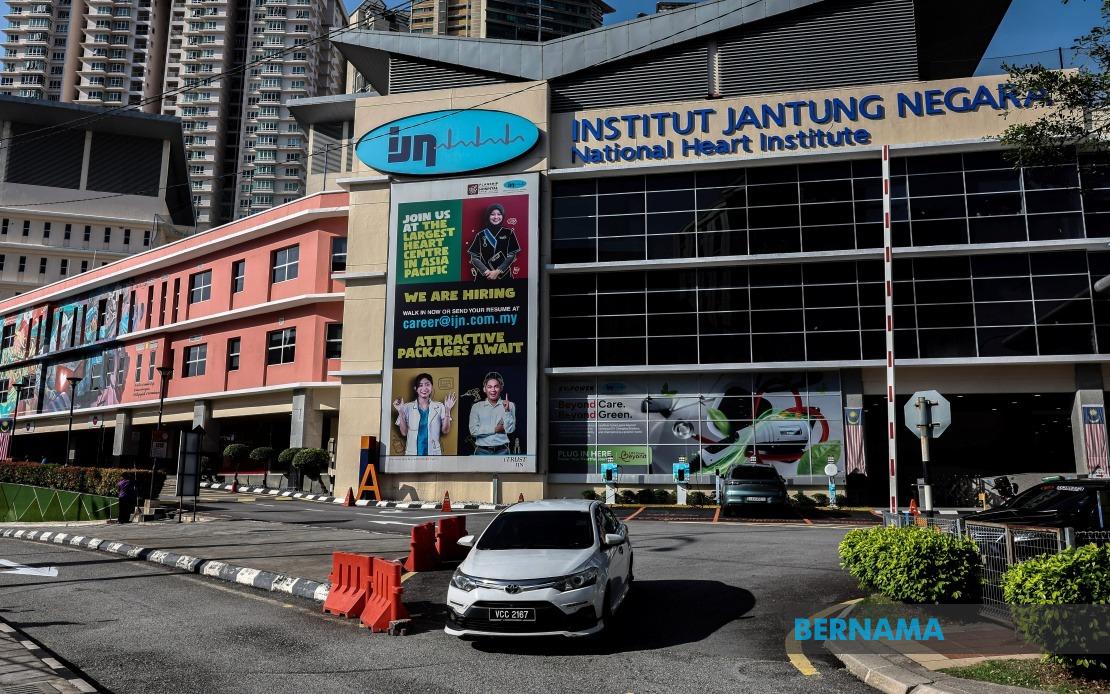
Prime Minister Datuk Seri Anwar Ibrahim and his wife Datuk Seri Dr Wan Azizah Wan Ismail made visits to two senior political figures hospitalised at the National Heart Institute (IJN) in Kuala Lumpur, underscoring the high-level concern for their wellbeing as both men undergo cardiac treatment.
The Prime Minister's personal engagement in visiting Deputy Prime Minister Datuk Seri Fadillah Yusof demonstrates the continued importance of the DPM's role in government operations. Through a social media post, Anwar indicated that Fadillah's condition had progressed positively during their recent meeting, though he cautioned that adequate rest remained essential for full recovery as per medical guidance. The emphasis on positive improvement suggests that Fadillah's treatment trajectory is moving in an encouraging direction, a development that will likely reassure the broader cabinet and civil service who depend on his administrative leadership.
The Deputy Prime Minister's position holds considerable weight in Malaysia's political structure, with responsibilities spanning multiple portfolios and senior government functions. Fadillah's incapacity during hospitalisation therefore creates operational considerations across various ministerial responsibilities. The Prime Minister's public acknowledgment of his improved health carries implicit reassurance to stakeholders that the government's continuity remains intact despite the temporary absence of key personnel.
Beyond the Deputy Prime Minister, Anwar and his wife extended their compassion to former Prime Minister Datuk Seri Ismail Sabri Yaakob, who is also undergoing treatment and monitoring at the same facility. This gesture underscores a pattern of institutional respect transcending the political transitions Malaysia has experienced in recent years. Despite the different political trajectories of the two leaders, the Prime Minister's willingness to visit his predecessor reflects Malaysia's established tradition of maintaining dignified relations among senior statesmen across party lines and administrations.
Ismail Sabri's presence at IJN requires continued observation according to the Prime Minister, indicating that his cardiac condition necessitates more comprehensive ongoing care than Fadillah's at this stage. The need for extended monitoring suggests a more serious health situation requiring sustained medical attention and possibly additional interventions. Such circumstances invariably affect former leaders' public visibility and their ability to engage in political activities or party functions during recovery periods.
The Prime Minister's public expression of prayers for both men's recovery carries significant cultural and spiritual resonance within Malaysia's Muslim-majority society. By openly invoking Islamic supplication on behalf of both patients, Anwar reinforced the universal human dimensions that supersede political competition and partisan interests. His invocation that they be "granted a speedy recovery" and continue "to be blessed with good health and strength to serve the people and the country" articulates the broader national interest in preserving the health of experienced political leadership.
The National Heart Institute has emerged as the treatment facility for multiple high-ranking political figures, reflecting both its status as Malaysia's premier cardiac care centre and the prevalence of heart conditions among senior government officials. The concentration of political leadership receiving care at a single specialised institution raises considerations regarding succession planning and institutional resilience within government structures. When multiple key figures face simultaneous health challenges, questions inevitably arise regarding continuity of governance and the depth of institutional capacity to manage operations during such periods.
The timing and nature of these hospital visits serve practical functions within Malaysia's political communication ecosystem. By personally visiting and then publicly documenting these visits, Anwar demonstrates active engagement with concerns of national leadership while simultaneously managing public perceptions regarding government stability. Such gestures carry weight among political observers, civil servants, and the broader public who gauge governmental continuity through visible indicators of senior leadership functionality.
The public nature of the Prime Minister's hospital visit reflects contemporary political communication practices, where transparency regarding leadership health becomes balanced against privacy considerations. Anwar's measured disclosure that both leaders are receiving appropriate medical care provides sufficient public assurance without inappropriately breaching personal medical confidentiality. This careful calibration speaks to the sophisticated understanding of political messaging required in Malaysia's information-rich environment.
For Malaysian observers tracking the nation's political health beyond metaphorical boundaries, these hospital visits underscore the reality that senior political figures remain mortal beings subject to the same health vulnerabilities as ordinary citizens. The cardiac issues affecting both Fadillah and Ismail Sabri echo broader public health patterns within Southeast Asia, where cardiovascular disease remains among the leading causes of mortality and morbidity. The focus on their recovery therefore resonates with ordinary Malaysians managing their own health challenges and those of family members.
The Prime Minister's engagement with visiting hospitalised colleagues, regardless of current political standing, reinforces institutional norms regarding respect for public service and the physical demands of high office. These norms contribute to Malaysia's relatively stable democratic traditions where transitions of power, though occasionally contentious, generally avoid personal vindictiveness or abandonment of former leaders facing health crises. Such conduct patterns distinguish Malaysia's political culture within a regional context where such courtesies have sometimes been neglected during power transitions.
Looking forward, the recovery trajectories of both Fadillah and Ismail Sabri will carry implications for Malaysia's political landscape. Fadillah's return to full Deputy Prime Minister duties would restore complete cabinet functionality, while Ismail Sabri's recovery would determine his future political activities and potential re-engagement with his party's leadership structures. The Prime Minister's public prayers for their restoration to strength reflect genuine hope that both men will return to contribute their experience and capacity to national service, maintaining institutional continuity and the experienced leadership that guides Malaysia's governance.

