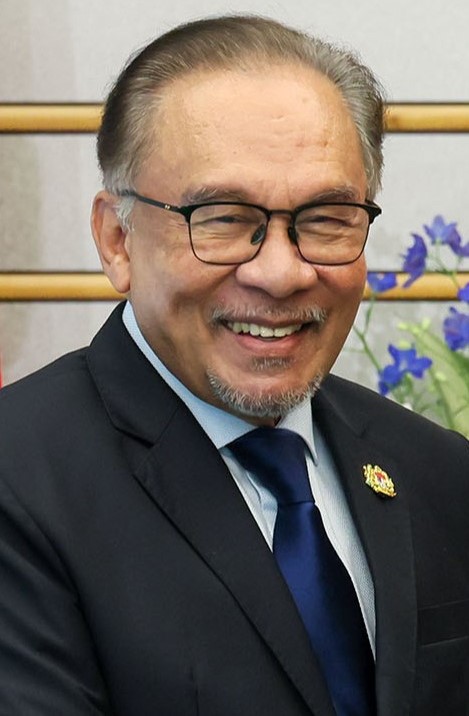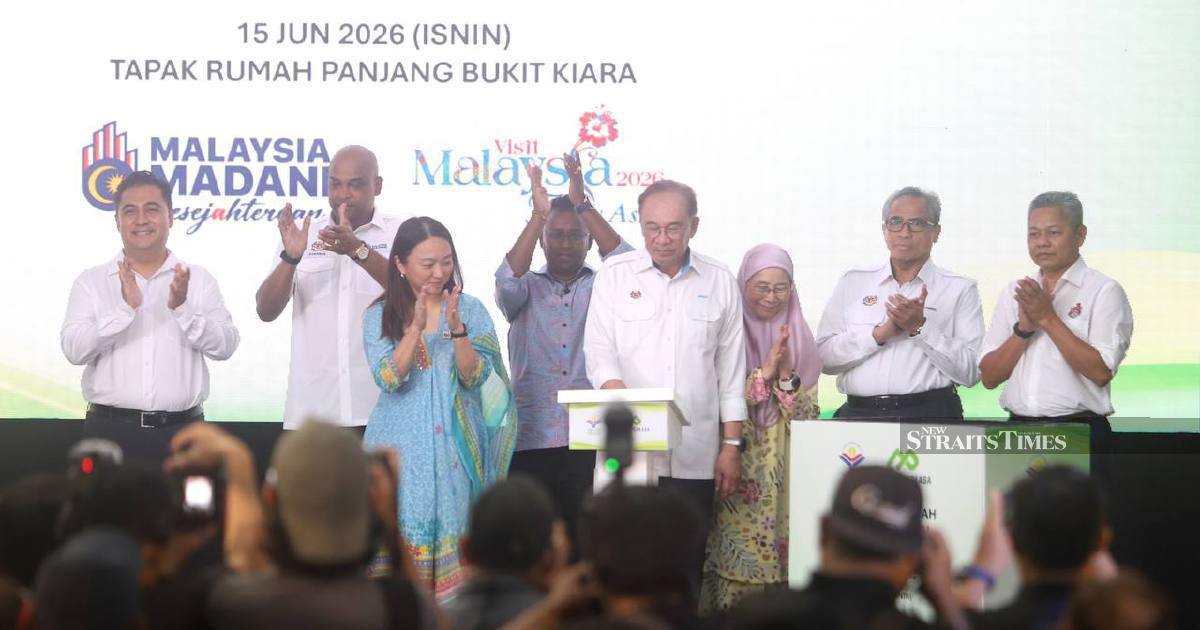
Prime Minister Datuk Seri Anwar Ibrahim has issued a stark warning to ordinary Malaysians, urging them to reject political narratives designed to fracture communities along ethnic and religious lines. In remarks highlighting concerns about divisive campaign strategies, Anwar contended that citizens bear the real cost when politicians weaponise identity issues, emphasising that such tactics distract from substantive governance and policy debates that directly affect people's livelihoods.
The Prime Minister's intervention reflects growing anxiety among Malaysia's political establishment about the resurgence of inflammatory rhetoric in the public sphere. As the country navigates a complex multiethnic and multireligious landscape, maintaining communal harmony remains a persistent challenge for policymakers. Anwar's message carries particular weight given his position as head of government and his historical role as an advocate for reformist politics, positioning him as a figure ostensibly above narrow sectarian interests.
Anwar's caution about divisive campaigns comes at a time when Malaysia's political environment has become increasingly fractious. Opposition movements and competing factions within the ruling coalition have periodically resorted to identity-based appeals to mobilise voter bases, a pattern that has accelerated during electoral cycles. The Prime Minister's plea suggests concern that such strategies risk inflaming communal sensitivities and diverting public attention from pressing economic and social challenges facing the nation.
The consequences of racial polarisation extend beyond symbolic political posturing. When politicians deliberately amplify grievances along ethnic lines, they erode the institutional and social foundations that have historically enabled Malaysia to manage its diversity without descending into large-scale conflict. Economic opportunities become reframed through zero-sum ethnic lenses, trust between communities deteriorates, and the capacity for cross-community cooperation on shared challenges weakens significantly.
Anwar's framing of the issue emphasises that ordinary citizens—regardless of ethnicity or religion—suffer tangible harm when such divisions intensify. Workers struggle to organise across ethnic lines for better wages and conditions, businesses lose efficiency through fractured commercial networks, and social mobility becomes constrained by community-based patronage networks rather than merit. The broader economy underperforms when productive energy is diverted toward managing intercommunal tensions rather than fostering innovation and competitiveness.
Malaysia's experience with electoral politics over recent decades demonstrates how identity-based mobilisation can deliver short-term political gains while eroding long-term governance capacity. Political parties have sometimes calculated that appealing exclusively to their core constituencies through divisive rhetoric yields better electoral returns than constructing inclusive coalitions. However, such strategies often result in narrow mandates, legislative gridlock, and reduced public trust in institutions tasked with managing national affairs.
The Prime Minister's intervention also addresses a generational dimension to Malaysia's political challenges. Younger voters increasingly question traditional identity politics, though they remain susceptible to online campaigns that algorithmically amplify divisive content. Anwar's call for citizens to exercise discernment mirrors broader international concerns about how digital platforms facilitate the spread of polarising narratives, with particular implications for countries managing deep ethnic and religious plurality.
Regionally, Malaysia's success or failure in maintaining communal harmony carries broader implications for Southeast Asia. The country has long been regarded as a crucial test case for whether diverse societies can build functional democracies without descending into zero-sum ethnic competition. Neighbouring countries experiencing communal tensions look to Malaysia's example, while international observers monitor whether the nation can transcend the identity politics that have constrained democratic development elsewhere in the region.
Anwar's remarks should be understood within the context of Malaysian political dynamics where multiple political coalitions compete for power and influence. The Barisan Nasional, Pakatan Harapan, and other groupings all contain factions that have periodically engaged in identity-based appeals. The Prime Minister's warning, while nominally aimed at all politicians, implicitly critiques strategies that Anwar's own coalition members or rivals have employed, suggesting internal tensions within Malaysia's governing structures regarding acceptable political discourse.
Moving forward, the challenge for Malaysia involves developing stronger institutional and social mechanisms for containing divisive rhetoric while preserving the competitive political landscape necessary for democratic accountability. This requires more than rhetorical appeals from national leaders; it demands structural reforms to campaign finance, media regulation, and civic education that create disincentives for identity-based mobilisation and incentives for inclusive coalition-building.
Anwar's intervention represents an important symbolic commitment to multiethnic governance principles, though the gap between such rhetoric and actual political behaviour has historically proven substantial in Malaysian politics. Whether his warning influences political actors' strategic calculations or merely provides rhetorical cover for continued identity-based appeals remains an open question. Nonetheless, public declarations by sitting Prime Ministers affirming the importance of communal harmony and condemning divisive tactics serve essential functions in establishing normative boundaries around acceptable political conduct, even when actual compliance remains inconsistent.