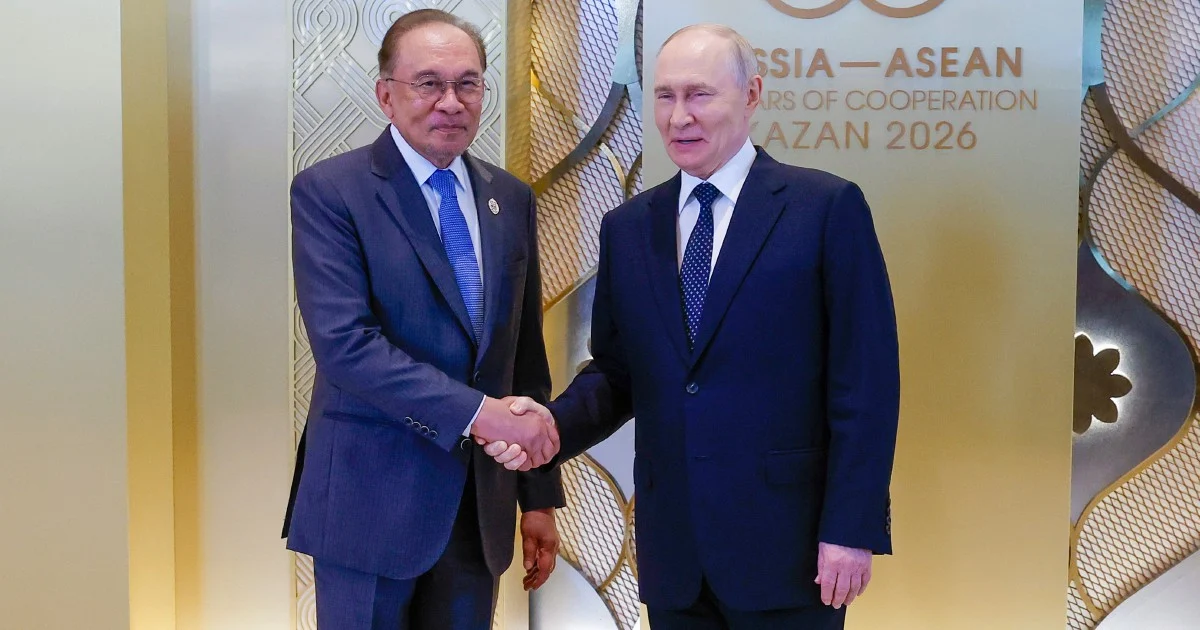
Prime Minister Datuk Seri Anwar Ibrahim's recent official diplomatic missions to Russia and Turkmenistan represent a strategic pivot in Malaysia's approach to long-term energy security, signalling the government's commitment to diversifying fuel sources and reducing dependency on traditional suppliers. The visits, welcomed by policy groups including BRICS International Malaysia, underscore the nation's recognition that stable energy supplies are fundamental to sustained economic growth and regional stability in Southeast Asia.
Malaysia's energy landscape faces mounting pressures from rising global demand, fluctuating market prices, and the transition toward renewable technologies. The visits to these two major energy-producing nations reflect a pragmatic acknowledgement that conventional fossil fuels will remain critical to the country's energy mix for decades, even as the government pursues climate commitments. Both Russia and Turkmenistan sit atop vast hydrocarbon reserves and have sophisticated export infrastructure, making them strategically significant partners for a nation seeking to stabilise its energy portfolio.
The bilateral discussions with Russian counterparts likely addressed expanding cooperation in oil and liquefied natural gas (LNG) sectors, areas where Russia possesses considerable technical expertise and global market influence. For Malaysia, which currently relies on a mix of domestic production, regional imports, and longer-term contracts, establishing stronger ties with Moscow diversifies supply chains and potentially improves pricing dynamics in negotiations with existing partners. Russia's position outside Western sanctions regimes, while politically complex, offers Malaysia alternative trading pathways that reduce exposure to geopolitical disruptions affecting traditional Western-aligned suppliers.
Turkmenistan, meanwhile, holds one of the world's largest natural gas reserves and has emerged as a crucial energy hub in Central Asia. The resource-rich nation serves as a bridge between East and West, with pipelines and export facilities capable of reaching diverse markets. Malaysia's engagement with Ashgabat suggests interest in securing direct access to Turkmen gas supplies or participating in joint ventures that could enhance regional energy security across Asia. Such arrangements could prove particularly valuable as demand from South and Southeast Asia accelerates with economic development.
These diplomatic initiatives carry implications extending beyond simple commercial transactions. By cultivating relationships with Russia and Turkmenistan, Malaysia positions itself within emerging geopolitical alignments that prioritise pragmatism over ideological alignment. The approach reflects a broader Southeast Asian strategy of maintaining strategic autonomy—engaging multiple powers without subordinating national interests to any single bloc. For Malaysia specifically, this balance becomes increasingly delicate as regional tensions between competing powers intensify.
Energy security directly influences manufacturing competitiveness, electricity generation costs, and household expenses. Securing reliable supplies at reasonable prices underpins the competitiveness of energy-intensive industries such as petrochemicals, refining, and downstream manufacturing sectors that employ thousands of Malaysians. Lower energy costs relative to competitors enhance Malaysia's attractiveness as an investment destination for multinational corporations seeking to establish regional hubs.
The visits also strengthen Malaysia's credentials within BRICS and other multilateral forums. As an aspiring BRICS member, closer energy relationships with Russia demonstrate alignment with the grouping's emphasis on South-South cooperation and reducing Western economic dominance. This positioning could facilitate Malaysian participation in BRICS development banks and investment initiatives, providing access to alternative financing for infrastructure projects beyond traditional Western-controlled international financial institutions.
Further, these partnerships support Malaysia's refining and downstream industries, which depend on accessing diverse crude oil sources. Malaysian refineries operate most efficiently with feedstock flexibility, allowing operators to blend different crude types and optimise production. Expanding relationships with Russia and Turkmenistan enlarges the supplier network available to these facilities, enhancing their operational resilience and market competitiveness in a globalised energy sector.
The broader context involves Asia's accelerating energy consumption as hundreds of millions of people achieve middle-class status. China and India increasingly compete for energy supplies, driving prices upward and creating scarcity concerns. Malaysia, positioned between major Asian economies and possessing modest domestic reserves, must negotiate strategically to secure sufficient supplies. Direct partnerships with major producers offer Malaysia greater leverage than relying exclusively on spot market purchases or contracts negotiated through intermediaries.
However, these initiatives also carry longer-term strategic considerations regarding energy transition. While strengthening conventional energy partnerships addresses immediate security concerns, Malaysia simultaneously pursues renewable energy targets and regional climate commitments. The government must carefully calibrate new energy arrangements to avoid locking the country into decades-long fossil fuel dependency that could become economically stranded if global energy markets shift more rapidly than currently anticipated. Successful energy diplomacy requires balancing near-term security with medium-term transition objectives.
The visits signal that Malaysia recognises energy as central to geopolitical relevance in an increasingly multipolar world. Nations controlling or influencing energy supplies wield disproportionate influence over neighbouring economies. By strengthening bilateral relationships with major producers, Malaysia enhances its own negotiating position and reduces vulnerability to supply disruptions or price manipulation by any single supplier or cartel.
Looking forward, the success of these initiatives will be measured through concrete outcomes: signed contracts, operational expansions, joint ventures, and actual increases in available energy supplies reaching Malaysian consumers and industries. The diplomatic groundwork established during these visits creates frameworks within which technical teams and commercial enterprises can negotiate detailed arrangements. Implementation will reveal whether these missions translate aspirations into tangible benefits supporting Malaysia's economic growth and energy security objectives in the years ahead.

