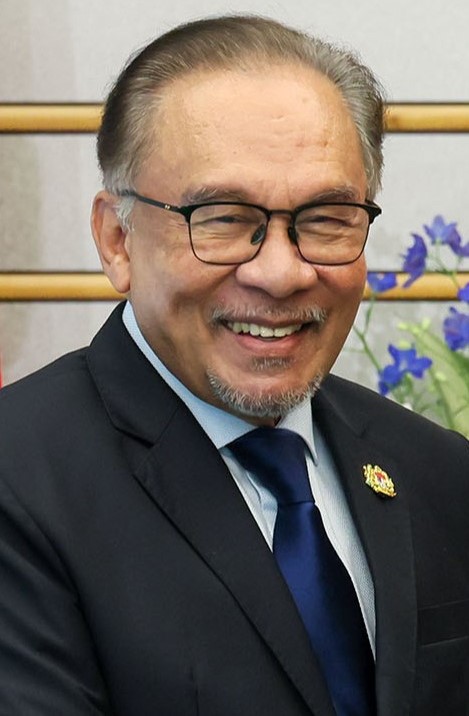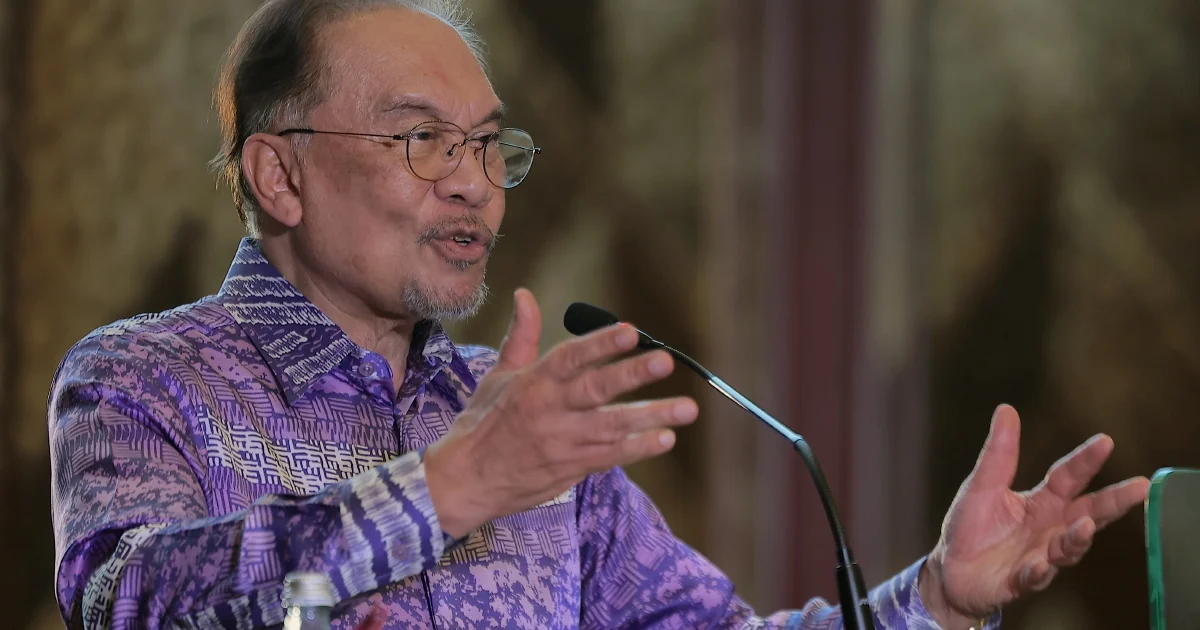
Prime Minister Datuk Seri Anwar Ibrahim is preparing for a significant two-day diplomatic mission to Kazan beginning June 17, where he will engage with key Russian officials including Rais of the Republic of Tatarstan Rustam Minnikhanov. The visit represents an important opportunity to reinvigorate bilateral engagement between Malaysia and Russia while simultaneously advancing collective ASEAN-Russia partnerships, according to statements from Malaysian diplomatic representatives.
The timing of Anwar's visit carries particular significance given the evolving geopolitical landscape in Asia-Pacific. Malaysia has long pursued a balanced foreign policy approach, maintaining constructive relationships with major powers across multiple regions. This journey to Russia's Volga region demonstrates the government's commitment to sustaining these connections despite global tensions and shifting international alignments that have complicated diplomatic engagements for many nations.
Tatarstan, as one of Russia's most economically significant regions, offers substantial opportunities for Malaysian business and investment. The region has positioned itself as a bridge between Europe and Asia, making it an attractive partner for Malaysian companies seeking to expand into Central Asian and European markets. Anwar's engagement with Minnikhanov signals Malaysia's interest in exploring these commercial possibilities while strengthening people-to-people connections.
From an ASEAN perspective, Malaysia's engagement with Russia carries broader implications for the bloc's strategic positioning. As ASEAN navigates the complex challenge of maintaining unity while managing relationships with competing powers, Malaysia's diplomatic initiatives help shape regional approaches to major trading partners. The visit underscores ASEAN's commitment to maintaining dialogue with all major global actors rather than aligning exclusively with any single power bloc.
Bilateral cooperation between Malaysia and Russia spans multiple sectors including energy, education, tourism, and defence. Russian energy expertise remains valuable to Malaysia as the nation manages its energy transition, while Malaysian expertise in tropical agriculture and palm oil production has attracted Russian interest. Educational exchanges and student mobility programmes continue to strengthen cultural understanding between the two nations.
Anwar's diplomatic agenda likely extends beyond ceremonial exchanges. Trade discussions may address tariff structures, investment protections, and sector-specific opportunities. Russia's sanctions situation resulting from geopolitical conflicts has reshaped its economic relationships, creating both challenges and openings for countries like Malaysia seeking to maintain pragmatic commercial ties without compromising international principles.
The ASEAN dimension of this visit deserves particular emphasis. As ASEAN chair or contributing member, Malaysia plays a crucial role in facilitating the bloc's engagement with non-member powers. ASEAN-Russia cooperation encompasses dialogue mechanisms, business councils, and cultural initiatives that help preserve stability through sustained communication channels. Strengthening these frameworks requires regular high-level contact of precisely the type Anwar's visit provides.
Kazan itself has emerged as an important venue for international diplomacy and economic exchange. The city hosts various international conferences and maintains cultural institutions promoting cross-civilizational dialogue. Malaysian engagement in such settings reinforces Anwar's government's broader positioning as an advocate for inclusive and multicultural approaches to global challenges.
The visit also reflects Malaysia's interest in diversifying its great power partnerships. While Malaysia maintains robust ties with Western nations and increasingly deepens relationships with China, engagement with Russia demonstrates the country's non-aligned foreign policy tradition. This balance has historically enabled Malaysia to leverage relationships across different power centers while maintaining strategic autonomy.
Domestic considerations underpin Anwar's diplomatic initiatives as well. Malaysian business communities with interests in European and Asian markets benefit from governmental cultivation of relationships that can facilitate trade and investment. The prime minister's travels, while costly in terms of government resources, generate political benefits through demonstrated engagement on the world stage and attention to economic opportunities benefiting Malaysian constituents.
The working visit format suggests substantive business rather than purely symbolic engagement. Working visits typically involve detailed policy discussions, memoranda of understanding on specific cooperation areas, and technical-level dialogue between government agencies. This structure allows both nations to advance concrete cooperation while building personal relationships between leaders.
Looking forward, Anwar's Kazan visit may establish frameworks for expanded cooperation extending beyond his current tenure. The connections forged during high-level visits often persist across administrations, creating institutional momentum for sustained engagement. For Malaysia and Russia alike, maintaining these links serves mutual interests in regional stability and economic growth.