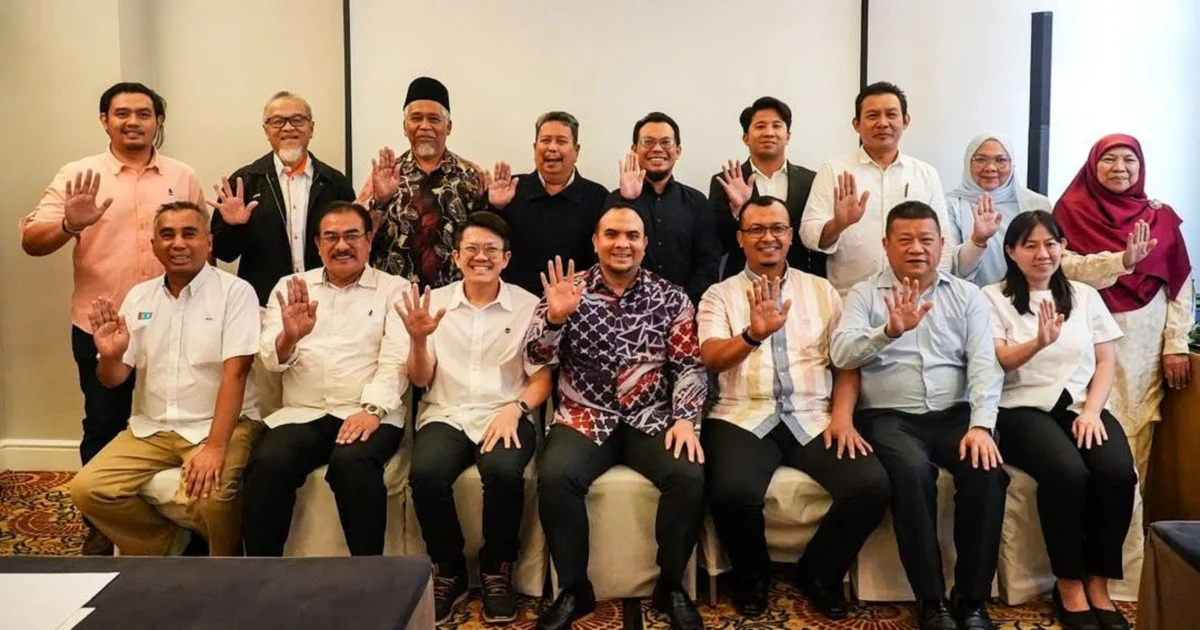
Datuk Ahmad Farhan Fauzi, serving as Prime Minister Datuk Seri Anwar Ibrahim's political secretary, has been appointed the new chairman of Pahang Pakatan Harapan, positioning a key figure from the prime minister's inner circle to lead the coalition's operations in the eastern state. The appointment reflects Anwar's effort to strengthen party structures in regions where the ruling coalition faces competitive pressures and aims to establish firmer ground for the 2024-2025 political landscape across Peninsular Malaysia.
The promotion of Ahmad Farhan carries particular significance given his proximity to the prime minister's office. As a political secretary, he has been instrumental in shaping PH's strategic decisions and coordination between federal and state-level operations. His appointment to the Pahang chairmanship suggests a deliberate strategy to inject expertise and centralised direction into the coalition's grassroots mobilisation efforts in a state that has historically witnessed intense three-cornered contests between PH, Perikatan Nasional, and Barisan Nasional.
Pahang represents a crucial battleground for PH's electoral ambitions. As the largest state in Peninsular Malaysia by land area and home to significant urban and rural constituencies, the state holds considerable strategic value in any future general election calculations. The appointment of someone with direct access to the prime minister's office suggests that central leadership intends to prevent any potential erosion of support in a region where internal coalition tensions have occasionally surfaced in previous political cycles.
Ahmad Farhan's background and previous roles provide insight into why he was selected for this responsibility. Having worked closely with Anwar on policy coordination and inter-party liaison, he brings institutional knowledge about how the prime minister's vision translates into on-ground political action. This proximity to decision-making at the highest level potentially empowers him to expedite initiatives and secure resources for Pahang PH's development programmes, which could prove instrumental in winning public confidence ahead of electoral contests.
The appointment also signals potential reshuffling or consolidation within Pahang's PH leadership structure. Previous office-holders often face transition periods as new chairs implement their own priorities and personnel decisions. Ahmad Farhan's mandate will likely include reviewing party machinery efficiency, strengthening candidate selection processes, and enhancing coordination between various PH component parties operating in Pahang, namely PKR, DAP, and Amanah.
For PKR specifically, this development carries implications as the dominant coalition member in several Pahang constituencies. Ahmad Farhan's role as political secretary to Anwar—who also serves as PKR president—creates a natural alignment between his administrative responsibilities in the state and his obligations to the party machinery. This dual positioning could streamline decision-making but also requires careful navigation to ensure no component party within PH feels sidelined.
Regionally, the appointment reflects broader efforts by Anwar's administration to consolidate control over PH operations ahead of potential political challenges. With Perikatan Nasional actively building presence in eastern states and Barisan Nasional leveraging its traditional networks, PH recognises that organisational cohesion and clear leadership direction become essential for maintaining relevance. A chairman working directly under the prime minister's guidance can theoretically respond more rapidly to emerging political dynamics and resource allocation demands.
The timing of the appointment also warrants consideration within the context of Pahang's historical political volatility. The state has witnessed defections, internal party conflicts, and shifting coalition alignments over recent years. Installing a trusted aide from the prime minister's office represents an attempt to anchor PH's leadership with someone whose loyalty and strategic alignment with central party objectives are unambiguous. This approach prioritises stability and predictability, which PH leadership evidently views as necessary preconditions for electoral success.
For Malaysian readers monitoring coalition politics, this appointment exemplifies how power structures in federal politics increasingly manifest through the placement of trusted individuals in state-level positions. Rather than allowing state organisations to operate with complete autonomy, central leadership increasingly exercises influence through appointing allies to key positions. Ahmad Farhan's appointment represents this pattern—he brings the prime minister's perspective directly into Pahang's PH operations, ensuring strategic alignment between state and federal initiatives.
The appointment inevitably raises questions about succession planning and leadership development within PH's ranks. Whether Ahmad Farhan's tenure in Pahang represents a stepping stone towards higher positions or a consolidation of his current role will influence how other party members perceive advancement opportunities. His success in revitalising PH's Pahang presence could enhance his standing within the coalition and potentially influence future governmental or party positions.
Looking forward, Ahmad Farhan's leadership will be assessed through conventional metrics: electoral performance in Pahang constituencies, membership growth, internal party harmony, and the coalition's ability to defend existing seats and contest new battlegrounds effectively. His direct access to Anwar's office provides resources and political capital that previous state chairmen may not have enjoyed, potentially enabling him to implement more ambitious organisational reforms or campaign strategies than his predecessors could achieve.

