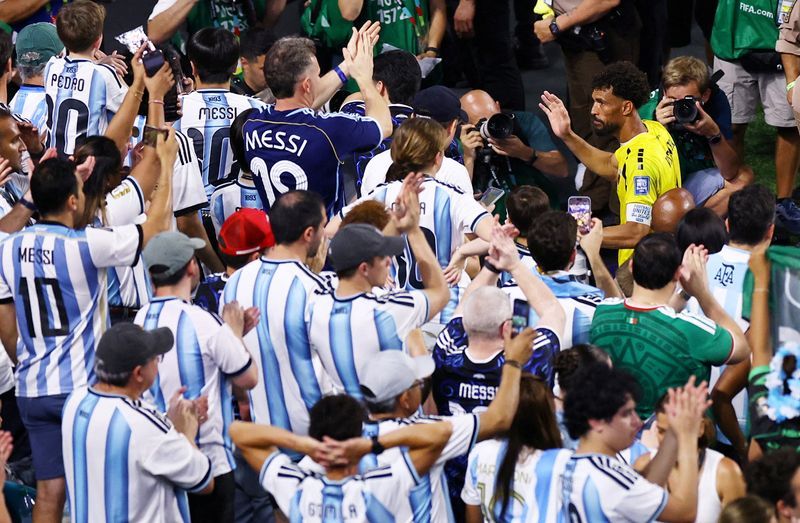
Argentina's progression to the World Cup last 16 came at a significant cost to their confidence, as the South American champions were forced to an extra-time thriller against Cape Verde in Kansas City, ultimately triumphing 3-2 through a Cristian Romero header that ricocheted off opposing defender Diney Borges. The match in Missouri proved far more challenging than Argentina's pristine group-stage record suggested, with the island nation's debutant squad demonstrating remarkable resilience by twice fighting back from deficit positions and consistently exposing gaps in Argentina's defensive structure.
Cape Verde's performance contradicted expectations set by coach Lionel Scaloni's pre-match warnings about their tactical intelligence, demonstrated earlier in the tournament when they drew with both Spain and Uruguay. The African side's ability to maintain possession and generate sustained pressure against one of the tournament's favourites raised uncomfortable questions about whether Argentina's group-stage opponents had been insufficiently demanding. Algeria, Austria, and Jordan—all dispatched with dominant scorelines—had failed to test the South American team's capacity to absorb pressure or make tactical adjustments under duress.
The composition of Argentina's pre-tournament preparation had also contributed to this defensive vulnerability gap. Since their 2022 World Cup triumph, Argentina had faced limited exposure to genuinely competitive European opposition, with Iceland in June marking their first such encounter. This relative isolation from high-intensity football against comparable rivals meant that their backline entered this tournament without having experienced the kind of sustained attacking threat that Cape Verde deployed, creating a dangerous gap between their apparent readiness and their actual preparedness for tougher opponents.
Lionel Messi's record-extending 20th World Cup goal gave Argentina an early foothold, yet the 39-year-old captain's post-match analysis revealed fundamental tactical difficulties that extended beyond individual moments. Messi acknowledged finishing the encounter visibly exhausted, attributing Argentina's struggles to their inability to execute effective pressing high up the pitch. He pinpointed the spatial organization of his team's defensive shape as the core problem, noting that excessive distances between defensive lines prevented them from reclaiming possession in advantageous positions, forcing Argentina into a reactive rather than proactive approach.
Former River Plate coach Marcelo Gallardo, himself a World Cup veteran who represented Argentina in 1998 and 2002, interpreted the narrow escape as a potentially constructive wake-up call. Speaking on ESPN Argentina, Gallardo suggested the match might catalyze the kind of tactical and mental recalibration necessary for Argentina to contend successfully against more formidable opposition. His observation that the team would need to generate a substantial response carried particular weight given his experience navigating World Cup intensity at the highest level.
Manager Scaloni adopted a more philosophical stance in his post-match commentary, emphasizing his team's mental fortitude during critical moments rather than dwelling on the technical shortcomings that had nearly resulted in elimination. His remarks reiterated his earlier assessment that World Cup football offered no margin for complacency against any opponent, regardless of perceived strength. Yet this framing, while diplomatically acknowledging Cape Verde's merit, implicitly suggested that Argentina's defensive organization and pressing intensity required immediate refinement ahead of their round-of-16 confrontation with Egypt in Atlanta on Tuesday.
The match's narrative arc derived unexpected significance from the personal circumstances of two defensive architects. Lisandro Martinez's second-half goal, which temporarily restored Argentina's advantage, carried symbolic resonance given his recovery from an anterior cruciate ligament injury sustained in early 2025. Similarly, Cristian Romero's header that ultimately secured victory demonstrated the value of his return from knee complications that had previously sidelined him during the tournament's preliminary rounds. Both defenders' presence on the pitch represented triumphs over injury adversity that elevated their contributions beyond mere statistical significance.
Martinez's emotional response to his involvement in Argentina's progression underscored the physical and psychological investment required to compete at World Cup level. His gratitude toward medical staff and coaching personnel reflected the intense rehabilitation process preceding his match availability. These narratives of recovery and determination provided Argentina's supporters with positive dimensions to emphasize, though they could not entirely offset concerns about the team's defensive vulnerability when confronted by determined attacking football.
The trajectory toward the Egypt encounter now requires Argentina to translate the lessons from Cape Verde's challenge into substantive improvements in their pressing structure, defensive line organization, and collective intensity. Cairo represents a significantly more ambitious challenge than Kansas City's difficult afternoon, and Egypt's own World Cup aspirations will be fueled by memories of Argentina's defensive disorganization. Argentina's training sessions in Miami on Saturday will become critical for implementation of the defensive adjustments that Scaloni and his backroom staff must prioritize.
For Malaysian and Southeast Asian observers, Argentina's near-miss carries broader implications regarding the competitive unpredictability of modern World Cup football. Tournament debutants and smaller footballing nations, increasingly armed with sophisticated tactical frameworks and video analysis capabilities, have demonstrated capacity to challenge established powerhouses. Cape Verde's performance suggested that traditional hierarchies of footballing strength matter less than previously assumed, a development particularly relevant as nations across the Asian confederation aspire toward deeper World Cup involvement.
Argentina's passage, while ultimately successful, represents a cautionary narrative about overconfidence and insufficient preparation against teams lacking obvious pedigree. The reigning champions' defensive vulnerabilities exposed in Kansas City will require systematic correction before confronting more accomplished opponents with greater experience in knockout-stage pressure. The Egypt match will provide the first genuine examination of whether Argentina can implement meaningful tactical adjustments, transforming the Cape Verde experience from an uncomfortable scare into a catalyst for genuine improvement.

