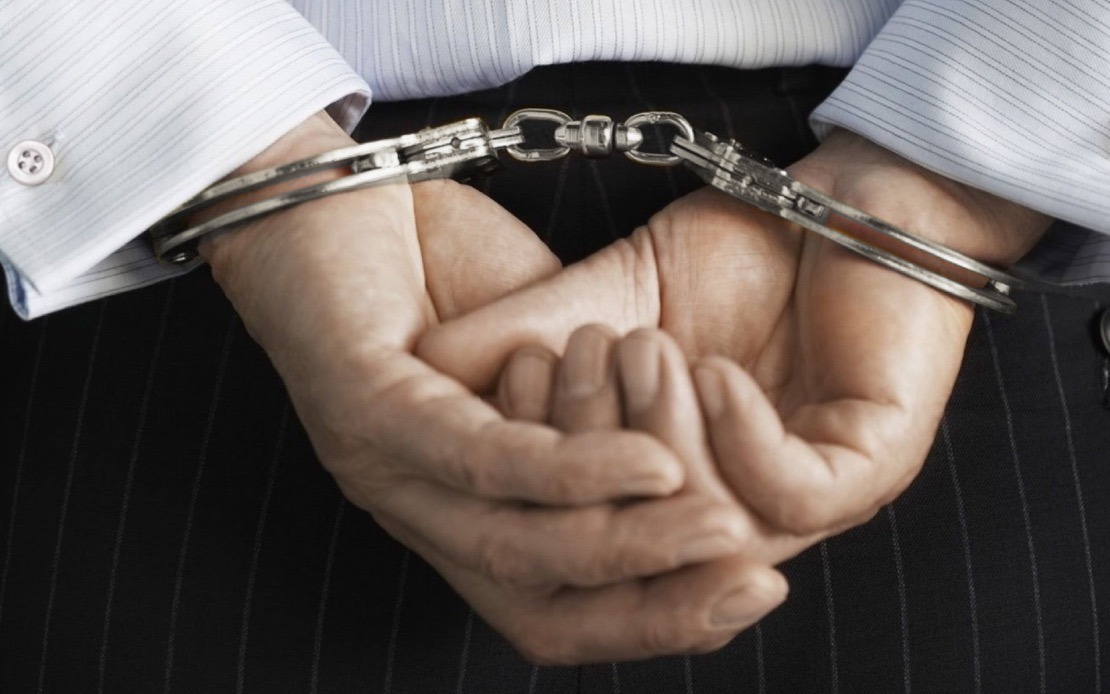
An armed individual was taken into custody at Donald Trump's golf course in Rancho Palos Verdes, California, just days before the former president was scheduled to attend a Republican Party fundraising dinner at the venue. The Los Angeles County Sheriff's Department revealed the arrest on Tuesday, marking another security incident involving Trump in recent months as his protection detail faces renewed scrutiny over multiple threatening situations.
Uniformed officers initially identified a suspicious man on the Trump National Golf Course on Sunday engaging in concerning behaviour. According to law enforcement, the individual was photographing and filming areas around the facility while appearing to observe security arrangements and access points. The suspicious conduct prompted immediate intervention, leading to his apprehension by plainclothes officers stationed in the area.
During the initial arrest, police discovered ammunition and a 16-round magazine in the suspect's possession. The discovery of these items raised immediate alarm bells among security personnel, prompting a broader investigation into his vehicle and residence. When authorities searched his car at the scene, they uncovered a loaded pistol accompanied by an additional loaded magazine, confirming concerns about the individual's intentions and level of preparation.
The investigation deepened considerably when law enforcement executed a search warrant at the suspect's home. Officers recovered multiple weapons and additional ammunition stockpiles, along with body armour and radio signal detection equipment. Perhaps most troubling were multiple notebooks recovered during the search containing statements that authorities described as concerning, though specific details of their contents were not disclosed to the public. The combination of weaponry, tactical gear, and written materials suggested a degree of planning and ideological motivation rather than a random incident.
Trump was scheduled to arrive at the Rancho Palos Verdes facility on Tuesday evening for the Republican Party fundraising dinner, making the timing of the arrest particularly significant. The incident occurred just hours before his expected arrival, suggesting that security personnel's vigilance may have prevented a potentially serious situation. The swift response and coordination between plainclothes and uniformed officers demonstrated prepared security protocols in place at the facility.
This arrest represents the latest in a troubling series of security breaches and threatening incidents surrounding Trump since his political resurgence. The pattern has intensified scrutiny on the Secret Service and broader personal security arrangements, raising questions about resource allocation and intelligence sharing between agencies responsible for protecting the former president. Each incident has prompted investigations and, in some cases, significant personnel changes within protective services.
In April of this year, gunshots erupted at a press dinner in Washington, forcing security personnel to evacuate Trump and his wife from the venue and resulting in the cancellation of the event. The incident underscored vulnerabilities in urban event security despite controlled settings and vetted attendee lists. More recently, in February, authorities fatally shot an armed man who had breached security at Trump's Mar-a-Lago estate in Florida, preventing what could have escalated into a more serious confrontation.
During Trump's 2024 campaign to return to the Oval Office, he became the target of gunfire at a campaign rally in Pennsylvania, suffering a minor injury to his ear. The shooting sparked immediate investigations into how a gunman managed to position himself within striking distance of the former president at a public campaign event. The incident prompted significant restructuring of Secret Service protocols and reinforced concerns about protecting high-profile political figures in open, public settings where large crowds gather.
Later that same year, Secret Service agents detected and neutralised another armed threat near Trump's golf course in West Palm Beach. An individual hiding in the surrounding vegetation was believed to be surveilling the property in advance of a potential attack. That incident again highlighted vulnerabilities at golf courses and similar semi-public venues where access control and perimeter security present ongoing challenges.
The recurring nature of these security incidents has sparked broader debate about Trump's personal safety measures and whether current protective arrangements remain adequate given the escalating threats. Security experts have noted that protecting a high-profile political figure requires coordination across multiple agencies, advance intelligence gathering, and adaptable protocols that can respond to evolving threats. Each incident provides valuable intelligence for threat assessment professionals but also reveals gaps in existing systems.
For Malaysia and the Southeast Asian region, these American security challenges carry significance beyond mere headline interest. The incidents underscore how political polarisation and accessible weaponry in certain democracies create persistent security complexities for leaders and public figures. As Southeast Asian nations continue developing their own political systems and security frameworks, such incidents offer instructive lessons about resource requirements, interagency coordination, and the balance between public accessibility and protective necessity.
The Rancho Palos Verdes arrest demonstrates that vigilance and proactive security measures can prevent worst-case scenarios. The plainclothes officers' ability to identify suspicious behaviour early and the comprehensive follow-up investigation illustrate professional law enforcement response. However, the frequency of these incidents collectively suggests that sustained and evolving threats targeting Trump will likely remain a feature of American political security for the foreseeable future, requiring continued investment in personnel, technology, and intelligence analysis.

