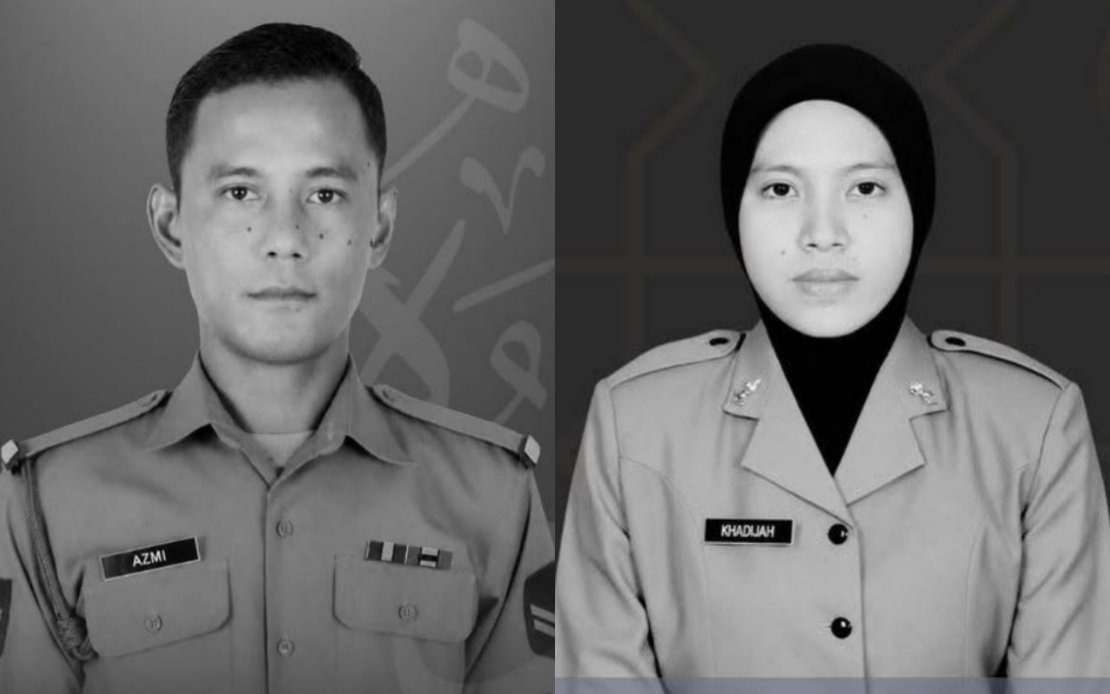
The Malaysian Army has formally identified the two military personnel who lost their lives in a fatal explosion during grenade-throwing exercises at the Hobart Camp shooting range in Gurun, Kedah, on the morning of June 16. The victims were Corporal Norazmi Abu Bakar, attached to the 6th Battalion of the Royal Malay Regiment, and Private Siti Khadijah Sungip, serving with the 1st Squadron of the Royal Army Engineers Regiment.
The incident unfolded shortly before 11 am when both personnel sustained critical injuries during the training exercise. Despite immediate emergency response efforts, they succumbed to their injuries while being transported to Sultan Abdul Halim Hospital in Sungai Petani. The swift medical intervention proved insufficient to save either soldier, underscoring the severe nature of the blast and the injuries sustained.
At the time of the explosion, the two soldiers were participating in the Royal Army Engineers Regiment Combat Enhancement Training programme, which operates under the operational framework of the 2nd Infantry Division. This training module is a standard component of military readiness and capability development within the Malaysian Armed Forces, designed to ensure personnel maintain proficiency in essential combat techniques and equipment handling.
Following the tragedy, the remains of both deceased personnel were transferred to Sultanah Bahiyah Hospital in Alor Setar for post-mortem examinations. These procedures are customary in military fatalities to establish precise causes of death and to support the formal investigation process that typically follows such incidents.
General Tan Sri Azhan Md Othman, the Chief of the Malaysian Army, has initiated a comprehensive and urgent investigation to ascertain the exact circumstances and underlying causes of the explosion. Such inquiries are standard protocol following training accidents and serve multiple purposes: establishing accountability, identifying contributing factors, and implementing preventive measures to avoid future occurrences.
The Army Chief's response extended beyond administrative procedures, with General Azhan issuing a formal expression of profound sorrow regarding the loss of the two personnel. In his statement, he extended heartfelt condolences to the bereaved families, acknowledging the profound grief and loss they now face. He also offered words of encouragement to the families, urging them to find strength during this exceptionally difficult period.
The incident has prompted an institutional commitment to enhanced safety protocols across all military training activities. The Malaysian Army has pledged to conduct a thorough examination of existing safety frameworks, training procedures, and equipment handling protocols. This comprehensive review aims to identify any gaps or areas requiring improvement based on the investigation's findings, with a view to strengthening safety culture across all training programmes.
Training accidents within military institutions, though relatively rare, carry significant implications for force readiness and morale. The loss of trained personnel represents not only a human tragedy but also impacts institutional capacity. Such incidents typically trigger broader discussions within defence establishments regarding the balance between operational effectiveness and personnel safety, particularly in high-risk training environments.
The Hobart Camp shooting range in Gurun, Kedah, has been utilized for various military training exercises for an extended period. While the exact nature of the malfunction or error that triggered the explosion remains under investigation, preliminary indications suggest the incident occurred during routine training activities rather than from any extraordinary or unusual circumstances.
For the Malaysian military community and the broader defence sector, this incident serves as a sobering reminder of the inherent risks associated with weapons training and combat preparation. It reinforces the necessity of maintaining rigorous adherence to safety protocols, regular equipment maintenance, and continuous training refresher courses for all personnel involved in handling explosives and related equipment.
The investigation process will likely examine multiple factors, including equipment condition and maintenance records, adherence to operational procedures, environmental conditions at the time of the incident, and individual actions during the training exercise. Findings will be crucial in determining whether the accident resulted from human error, equipment failure, procedural lapses, or a combination of factors.
The Malaysian Armed Forces and related defence institutions will be closely monitoring the investigation's progress. The outcome may result in revised training protocols, updated safety guidelines, or modifications to existing procedures across the broader military training landscape. Such administrative and procedural changes often extend beyond the specific unit or training programme involved to affect defence-wide practices.