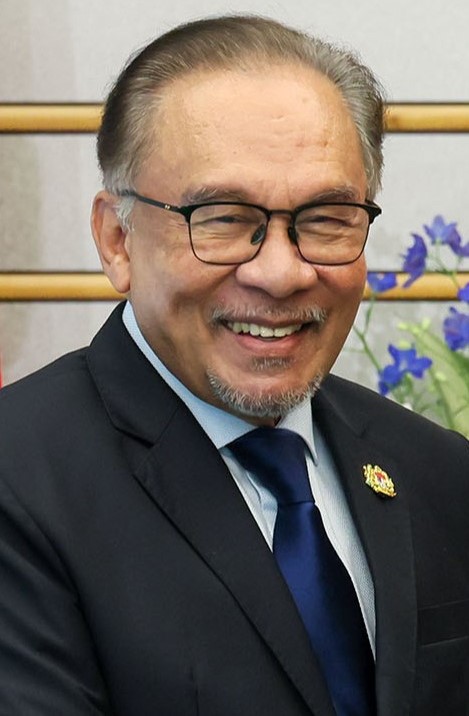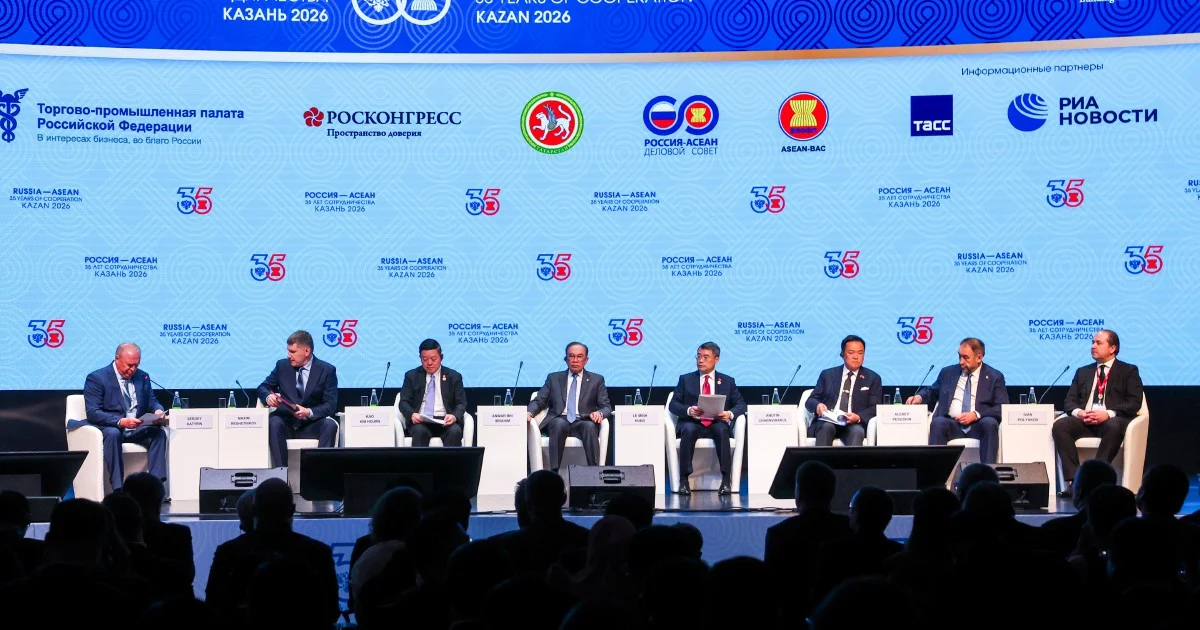
Prime Minister Datuk Seri Anwar Ibrahim has called for a significant expansion of cooperation between Asean and Russia across multiple critical sectors, positioning the partnership as central to addressing regional economic challenges and geopolitical priorities. Speaking in Kazan, the Malaysian leader emphasised that broadening engagement between the 10-member Southeast Asian bloc and Moscow represents a strategic opportunity for both sides to advance shared interests while navigating an increasingly complex global landscape.
The emphasis on food security reflects pressing vulnerabilities across Southeast Asia, where nations face competing pressures from climate change, population growth, and supply chain disruptions. Russia, a major global exporter of grain and fertiliser, holds particular significance for the region's agricultural stability. For countries such as Malaysia, the Philippines, and Indonesia, which depend substantially on imported food commodities, a diversified and strengthened relationship with Russian suppliers could reduce exposure to market volatility and geopolitical risks that have repeatedly disrupted food flows in recent years. The region's experience during the Ukraine conflict underscored how quickly food prices can spike when major suppliers face sanctions or conflict.
Energy cooperation constitutes another pillar of strategic importance that Anwar highlighted. Asean nations collectively face rising electricity demand as industrialisation and digital transformation accelerate, while many harbour ambitions to transition towards cleaner energy systems. Russia's energy expertise, from hydrocarbon production to nuclear technology development, offers pathways for technological collaboration and knowledge exchange. For Malaysia and others pursuing energy diversification, engagement with Russian expertise in liquefied natural gas, renewable energy technologies, and grid modernisation could enhance energy independence whilst maintaining cost competitiveness.
Advanced manufacturing represents a sector where Asean's competitive strengths in labour and logistics could complement Russian industrial capabilities and research capacity. By fostering collaboration in this domain, both sides could establish supply chains that bypass Western restrictions or vulnerabilities, creating more resilient production networks. This dimension also carries implications for regional companies seeking to expand their technological sophistication and access to international markets beyond traditional Western networks.
The inclusion of digital technologies in Anwar's agenda signals recognition that Southeast Asia cannot afford to lag in the technological race reshaping global commerce and governance. Russian expertise in cybersecurity, software development, and digital infrastructure could benefit Asean economies seeking to accelerate digitalisation. Conversely, Asean's youthful, tech-savvy workforce and growing digital markets present attractive opportunities for Russian technology firms looking to expand beyond traditional spheres of influence.
Education cooperation, whilst often overlooked in strategic discourse, holds long-term significance for building mutual understanding and human capital development. Expanded scholarship programmes, academic exchanges, and vocational training partnerships between Asean institutions and Russian universities could create generations of professionals familiar with both cultures and capable of mediating future cooperation. Such investment in people-to-people connections historically strengthens political and economic ties more durably than transactional deals.
Anwar's outreach reflects Malaysia's broader diplomatic positioning as a bridge between diverse power centres and interests. The Asean bloc, collectively representing over 650 million people and significant economic output, holds considerable strategic weight that both traditional powers and rising global actors seek to cultivate. By advocating for deeper Asean-Russia ties, Malaysia signals that the region intends to maintain substantive relationships beyond the Western alliance framework whilst preserving strategic autonomy. This approach aligns with Asean's fundamental principle of non-alignment and equidistant engagement with major powers.
The timing of Anwar's statements in Kazan gains added weight given ongoing geopolitical tensions and efforts by various powers to align Asean more closely with their respective camps. Russia, facing Western sanctions and seeking to expand influence in Asia, views Asean as a crucial counterbalance and market for goods and services restricted elsewhere. Simultaneously, Asean nations recognise that pragmatic engagement with Russia on mutual economic interests serves their own development objectives without necessarily implying political alignment on contentious global issues.
Implementing the cooperation agenda Anwar outlined will require establishment of concrete mechanisms, institutional frameworks, and bilateral agreements that move beyond rhetorical commitments. Joint commissions, trade delegations, and technology transfer arrangements could operationalise the partnership vision. Malaysia, holding strategic position within both Asean and maintaining traditional diplomatic channels, could play a facilitating role in mediating Asean-Russia cooperation structures that address individual member interests whilst advancing collective priorities.
For Malaysian businesses and investors, expanded Asean-Russia cooperation creates opportunities in intermediary roles, joint ventures, and supply chain integration. Malaysian companies operating in food processing, energy services, and technology sectors could leverage their position within Asean whilst accessing Russian markets and technical capabilities. Such commercial expansion would naturally strengthen the political foundation supporting deepened state-to-state relations.
The challenge ahead involves translating Anwar's vision into sustainable, mutually beneficial partnerships that survive political fluctuations and external pressures. Both Asean and Russia face scepticism from Western powers regarding closer ties, requiring clear articulation of how such cooperation benefits regional stability rather than destabilising it. Demonstrating that Asean-Russia engagement pursues pragmatic economic and developmental goals, rather than serving as vehicles for geopolitical competition, will be essential for building durable partnerships that enhance rather than fragment regional architecture.
Ultimately, Anwar's call for expanded Asean-Russia cooperation reflects a strategic imperative for Southeast Asia to diversify its international engagement and reduce dependency on any single power or alliance structure. By cultivating substantive partnerships with Russia and other global players, Asean strengthens its collective bargaining position whilst creating pathways for member nations to address development challenges through expanded cooperation networks. This approach embodies practical application of Asean Way principles whilst positioning the region as an indispensable actor in twenty-first century geopolitical and economic recalibration.