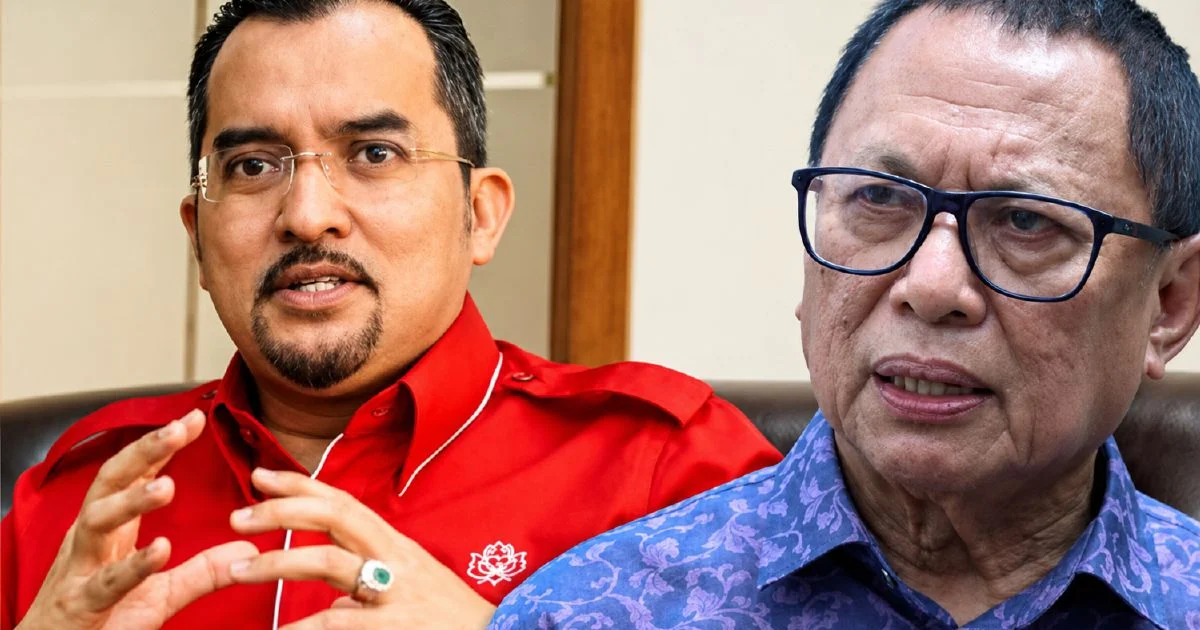
Umno secretary-general Datuk Dr Asyraf Wajdi Dusuki has launched a vigorous counter-attack against Datuk Dr Mohd Puad Zarkashi following the latter's surprise announcement to leave the party, rejecting allegations surrounding palace interference and internal governance disputes that Puad had raised in justifying his resignation.
The public exchange between the two prominent Umno figures represents the latest visible fracture within Malaysia's largest Malay-Muslim political party, which has grappled with internal tensions and competing power centers since its return to federal office in 2023. Puad's departure and the subsequent volley of accusations have placed party leadership in the spotlight, forcing senior officials to defend both their institutional authority and the integrity of decision-making processes at the highest levels.
Aryaf Wajdi's response addresses what appear to be Puad's insinuations that palace actors exercised undue influence over party deliberations and personnel matters. Such assertions strike at core questions of institutional independence and the proper separation between royalty and party politics—sensitivities that resonate across Malaysia's constitutional order. By confronting these claims directly, Asyraf Wajdi is essentially defending the autonomy of party structures and signalling that decisions emanate from legitimate party organs rather than external pressure.
Puad Zarkashi's exit signals deeper currents of dissatisfaction among certain segments of Umno's leadership cohort. His specific grievances, as conveyed through his resignation statement, touch upon matters of internal procedure and the management of top-tier appointments. These concerns reflect longstanding debates within the party about whether current structures adequately represent the views of rank-and-file members and whether influential figures wield disproportionate sway in critical decisions.
The timing of this confrontation carries significance for Malaysia's broader political trajectory. Umno remains the backbone of the federal ruling coalition, and internal cohesion directly impacts governmental stability. For Malaysian observers and investors monitoring political risk, these public disputes underscore the coalition's fragility when consensus erodes among senior figures. Regional neighbours also monitor Umno developments closely, given the party's dominance in determining national and regional policy directions.
Aryaf Wajdi's forceful response appears designed not merely to rebut Puad personally but to reassert institutional authority and discourage others from following a similar course. His counter-narrative likely emphasises proper procedure, democratic legitimacy within party structures, and the notion that accusations of external interference lack substantive foundation. By hitting back hard rather than adopting a conciliatory tone, Umno's second-ranking official sends a message about the costs of dissent and the party's commitment to its current trajectory.
For Umno members and supporters in states like Johor, where Asyraf Wajdi has pronounced influence, these developments may affect perceptions of party dynamism and internal fairness. The party faces perpetual challenges in retaining members and maintaining enthusiasm among grassroots activists. Public quarrels between senior leaders, whilst occasionally unavoidable, can demoralise the base and create openings for rivals like Pas to recruit defectors or poach potential new members.
Puad's allegations regarding palace involvement touch upon themes that have intermittently troubled Malaysian politics—the proper scope of royal authority and whether traditional institutions sometimes exceed constitutional bounds in party-political contexts. Even unsubstantiated claims along these lines can generate rumour and suspicion, requiring swift and thorough rebuttal. Asyraf Wajdi's response suggests party leadership recognises the gravity of such insinuations and determined that silence would invite further questioning.
The substance of Puad's specific concerns—whether concerning personnel appointments, procedural matters, or resource allocation—remains partly obscured in public reporting. Asyraf Wajdi's rebuttal presumably clarifies party leadership's perspective on these governance issues, though full transparency about internal deliberations may not forthcome. This opacity itself can fuel speculation and undermine confidence in institutional processes.
Looking ahead, the party will likely move to consolidate ranks and discourage further defections. Senior figures may privately reach out to potentially disaffected members, whilst publicly emphasising unity and forward momentum. Whether such efforts succeed depends partly on addressing legitimate structural concerns that Puad and others may harbour about inclusive decision-making and the balance of power within Umno's upper echelons.
The confrontation between Asyraf Wajdi and Puad Zarkashi ultimately reflects a party navigating the perpetual tension between maintaining coherent leadership and accommodating diverse viewpoints among its constituent factions. How Umno resolves such internal disputes will shape not only its own institutional health but Malaysia's political stability more broadly.

