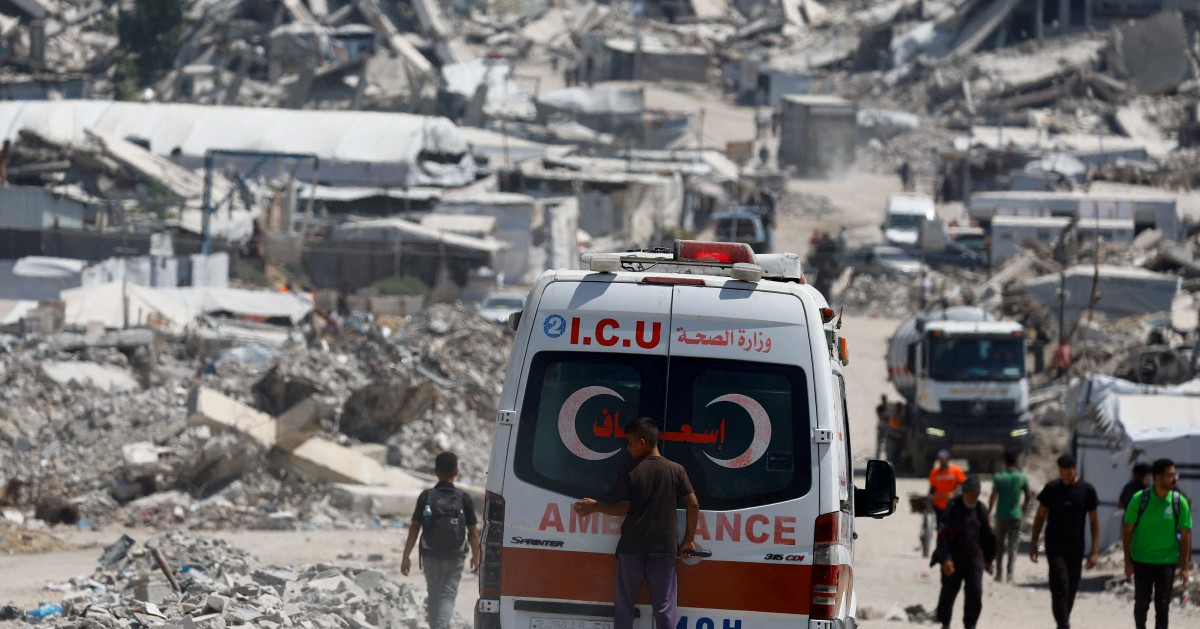
Australia's top diplomat expressed profound frustration Thursday over Israel's determination to shelve criminal investigation into the killing of Australian aid worker Lalzawmi "Zomi" Frankcom and her fellow humanitarian staff in Gaza, marking a significant diplomatic rupture between the two allied nations over accountability in the conflict.
The decision by Israeli authorities to decline prosecution represents a decisive rejection of the protracted push by Canberra for justice in the case, which has strained relations between Australia and Israel for months. The aid worker's death raised critical questions about civilian protection and investigative responsibility in the ongoing Gaza conflict, making the investigation's closure particularly contentious for the Australian government.
For Malaysia and other Southeast Asian nations, the episode underscores the broader challenge faced by developing countries when their citizens are killed or harmed in major international conflicts. The inability of a wealthy, developed nation like Australia to secure meaningful accountability from a strategic ally demonstrates the asymmetry in geopolitical power and the limited recourse available to nations in pursuing justice for their people abroad.
Lalzawmi Frankcom, an experienced humanitarian professional, was killed alongside colleagues while carrying out critical aid distribution work in one of the world's most active conflict zones. Her death galvanized public concern in Australia and triggered formal government demands for transparent investigation, reflecting a commitment to principles of accountability that the foreign minister articulated in her response.
The termination of the inquiry without criminal charges being laid has touched on sensitive issues surrounding how major military powers investigate civilian casualties within their operational theatres. Australia's reaction signals that key Western democracies remain divided over acceptable standards of accountability in contemporary conflicts, particularly when allied nations are involved.
Israel's decision to cease investigation presents broader implications for humanitarian accountability mechanisms globally. When powerful military forces conclude investigations without criminal referral, particularly in cases involving foreign nationals, it raises questions about the effectiveness of existing international frameworks designed to protect aid workers and ensure impartial fact-finding.
For regional observers, the case reflects how geopolitical alignments—particularly those between developed nations—can supersede pressure for accountability in conflict situations. Australia's explicit expression of outrage, despite its strategic partnership with Israel, demonstrates that even allied governments maintain their own domestic imperatives and public opinion pressures regarding justice for fallen citizens.
The humanitarian sector across Southeast Asia watches such developments closely, as they establish precedents affecting worker safety and investigation standards in multiple conflict zones. International aid organizations operating in Gaza and other volatile regions consider Israeli accountability measures when assessing risk environments and making deployment decisions.
The diplomatic fallout extends beyond bilateral relations between Canberra and Jerusalem. It underscores the practical limitations of accountability in asymmetrical power relationships and contributes to the broader pattern where investigations into civilian casualties often conclude without prosecutions, eroding confidence in institutional mechanisms designed to prevent such incidents.
Australia's outrage over the investigation's closure reflects its commitment to universal accountability principles, regardless of geopolitical considerations. The government's strong response indicates that even nations maintaining broader strategic partnerships reserve the right to challenge specific outcomes when their citizens' deaths remain unexamined through criminal proceedings.
For countries in this region managing their own relationships with major military powers, the Australian case illustrates the limited leverage available when pursuing justice across borders. Southeast Asian nations face similar challenges when their nationals are affected by major international conflicts, highlighting the need for stronger independent accountability mechanisms and investigation standards.
The inquiry's closure also raises questions about investigation quality and independence when conducted by military or state authorities investigating their own personnel and decisions. Regional observers note that such domestic investigations frequently lack the transparency and rigor that third-party or international mechanisms might provide.
Moving forward, Australia's formal protest against the outcome may presage broader discussions within allied democracies about establishing clearer accountability standards and investigation protocols for civilian casualties in active conflicts, potentially influencing how such cases are handled across multiple theatres.

