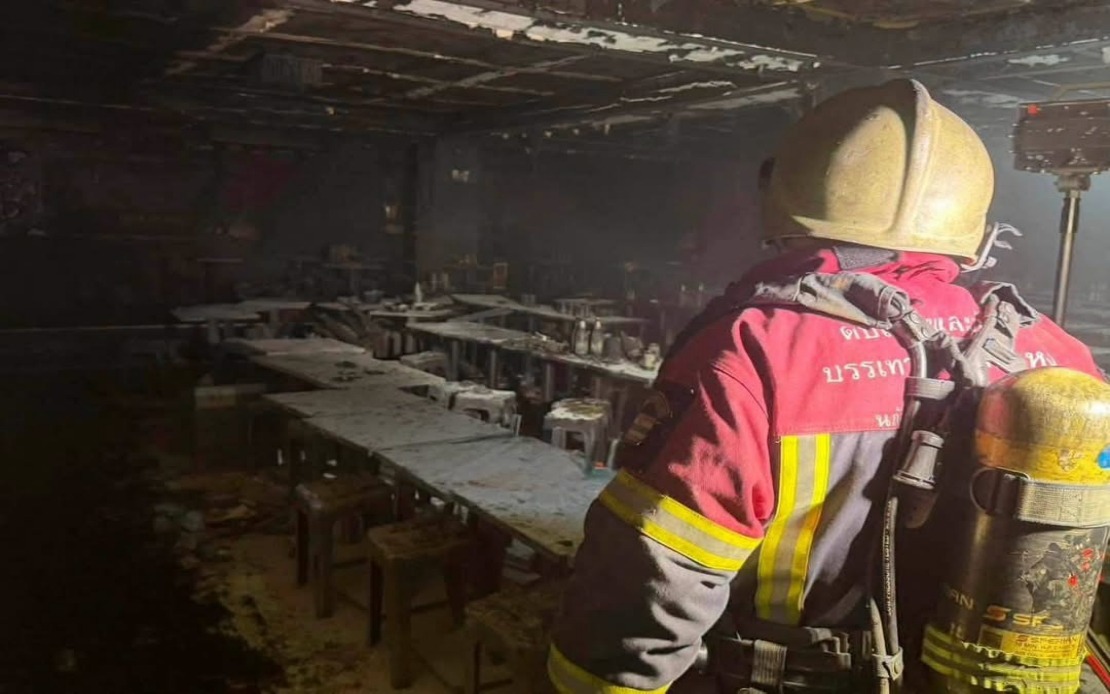
A devastating fire swept through a bar in Bangkok's Lat Phrao area within Chatuchak district in the early hours of Monday morning, claiming the lives of at least 27 people and leaving 18 others injured. The incident represents one of Thailand's deadliest nightlife disasters in recent years and has triggered immediate scrutiny from senior government officials and safety inspectors determined to establish how such a tragedy could unfold.
Bangkok Governor Chadchart Sittipunt arrived at the scene around 2.40 am, shortly after the blaze erupted after midnight. He indicated that police and forensic specialists had assumed responsibility for investigating the origins of the fire, with the Bangkok Metropolitan Administration transferring the site to investigators for comprehensive forensic analysis. The examination aims not only to pinpoint how the fire started but also to identify systemic failures that might have contributed to the loss of life and to propose preventative measures for future incidents at similar establishments.
Eye-witness accounts and preliminary observations suggest that flames propagated with alarming speed through the ceiling structure of the venue. Notably, plastic furniture throughout the bar—tables and chairs that would typically be highly flammable—remained substantially intact, a puzzling detail that has intrigued investigators and may provide clues about the fire's origin point and progression patterns.
According to the Bangkok Metropolitan Administration's Department of Disaster Prevention and Mitigation, the death toll comprised nine men and 18 women. Among the 18 injured individuals, eight sustained critical injuries requiring intensive medical intervention, seven suffered moderate injuries, and three sustained minor wounds. Preliminary assessments suggest that most fatalities resulted from smoke inhalation rather than direct thermal burns, though definitive cause-of-death determinations await the completion of forensic examinations and toxicology analyses.
Governor Chadchart disclosed that preliminary findings indicated several victims were discovered near an emergency exit on the left side of the building, with suggestions that obstructions may have impeded evacuation. He exercised caution in drawing conclusions, acknowledging that comprehensive investigations must precede any definitive statements about whether blocked exits contributed to the tragedy. This observation has nonetheless raised urgent questions about venue management practices and adherence to safety protocols.
The Bangkok Metropolitan Administration has announced plans to conduct a thorough inspection of the establishment's operating licence and its compliance with mandatory safety standards. The review will specifically examine the quantity and operational condition of emergency exits, the adequacy of exit signage visibility, and whether evacuation pathways had been blocked or obscured. These concerns strike at the heart of regulatory oversight in Thailand's entertainment sector, an industry that has periodically faced criticism from safety advocates regarding lax enforcement of fire codes and capacity restrictions.
Thai Prime Minister Anutin Charnvirakul visited the scene early Monday morning and received briefings from senior officials coordinating the emergency response. During his inspection, Anutin spoke with a musician who had been performing at the venue when the fire erupted. The performer described witnessing a fire originating from an electrical switchboard, followed immediately by rapid escalation—including explosions that forced occupants to flee through smoke and flames with almost no time to orient themselves toward exits. This account aligns with preliminary observations about the fire's speed of spread and suggests that electrical failure may warrant serious consideration as a potential cause.
The incident carries significant implications for Southeast Asia's broader hospitality and entertainment sectors, particularly given the region's rapid expansion of nightlife venues in major urban centres. Safety standards, enforcement mechanisms, and building design practices have come under heightened scrutiny across Thailand, Malaysia, and neighbouring countries following periodic disasters that reveal troubling gaps between regulations and actual practice. For Malaysian operators and venue managers, the Bangkok tragedy serves as a sobering reminder that compliance with fire safety codes, regular inspections of electrical systems, and unobstructed evacuation routes are not merely bureaucratic formalities but life-or-death necessities.
The investigation into the Bangkok fire remains in preliminary stages, with forensic teams continuing their detailed examination of the scene and evidence collection. Thai authorities have not yet released findings regarding the precise electrical fault or design failure that may have initiated the blaze. The coming days will likely reveal whether regulatory violations, maintenance failures, or design inadequacies at the venue contributed to the devastating outcome. As Thailand's government and Bangkok's municipal authorities respond to public pressure for accountability, the incident has reignited regional debate about whether current safety enforcement mechanisms adequately protect patrons in entertainment venues across Southeast Asia.

