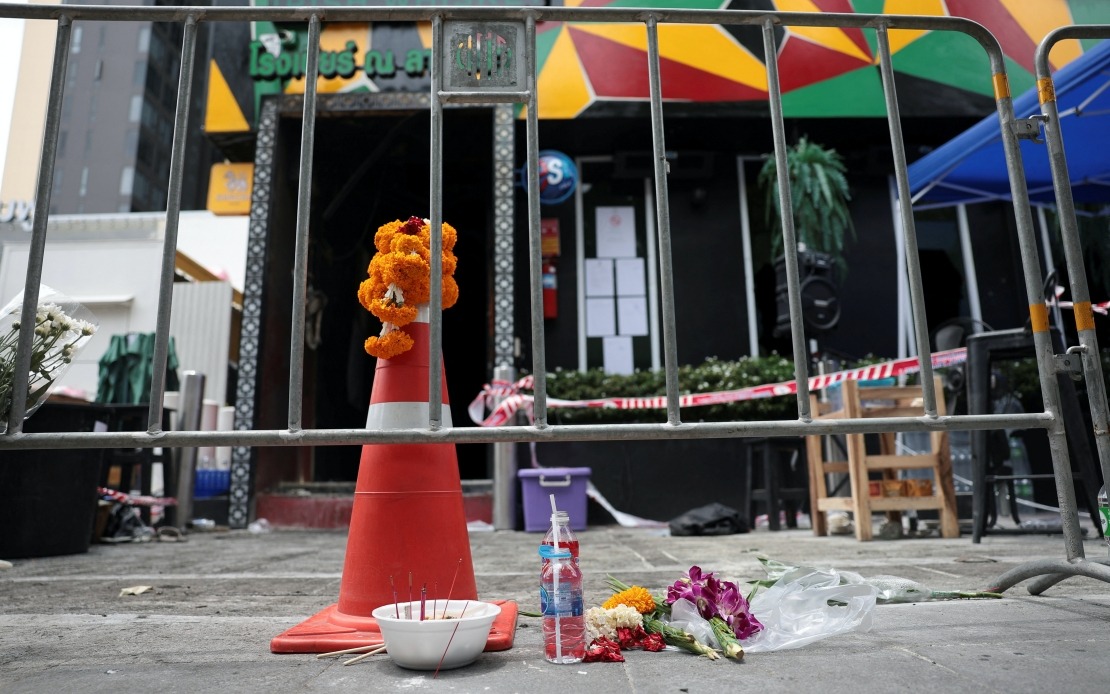
Findings from the investigation into Thailand's recent bar fire tragedy have revealed a sobering reality about how the 33 victims perished. Rather than succumbing to flames, those who died in the Lat Phrao district entertainment venue on Monday were killed by the inhalation of poisonous gases, according to the country's Metropolitan Police Bureau Commissioner Police Lieutenant General Sayam Boonsom. The discovery marks a critical phase in understanding the mechanics of the disaster and establishing accountability for what transpired.
The forensic analysis detected the presence of both carbon monoxide and cyanide in the bodies of the deceased. These gases operate through a devastating physiological mechanism—they prevent the body's tissues from receiving and processing oxygen, a process that can prove fatal within just minutes of exposure. The speed at which these toxins operate helps explain why so many people perished in what appears to have been a chaotic evacuation scenario. Officers completed their examination of the fire scene on Thursday, though the broader investigation into causation remains ongoing.
The initial blaze erupted at the entertainment outlet shortly after midnight on Monday, transforming what should have been an ordinary night into a catastrophic event. The toll has been substantial: 33 people lost their lives, while more than 70 others sustained injuries requiring medical intervention. As of Thursday's police briefing, the situation in hospitals remained precarious, with 14 people still requiring intensive care treatment. However, there has been some positive development, with 44 injured individuals well enough to be discharged from medical facilities.
Investigators have zeroed in on several potential causes and contributory factors that may have led to the disaster. Preliminary focus has centered on possible electrical system failures as an ignition source, though the inquiry has expanded to examine potential safety violations and structural issues within the venue. Of particular concern are allegations of unauthorised modifications to the building structure and the presence of blocked or inadequate emergency exit routes. These factors would have compounded the tragedy by hampering the ability of patrons to evacuate safely when the fire broke out.
The legal implications of the investigation have begun to crystallize as the police prepare their case. While no formal charges have yet been filed, authorities are preparing to pursue multiple criminal counts against responsible parties. These anticipated charges include causing death and injury through negligence, conducting unauthorised structural alterations without permission, and negligently causing a fire. Additionally, police are examining whether the venue operated in violation of entertainment industry regulations and whether it exceeded the scope of activities permitted under its operating licence.
The investigative process has been methodical and comprehensive. Police have already conducted interviews with more than 106 witnesses to the fire and its immediate aftermath. These testimonies have been crucial in reconstructing the sequence of events and identifying potential failures in safety protocols. The wide range of witness accounts has helped paint a detailed picture of how the emergency unfolded and where systems designed to protect patrons may have failed.
For Malaysia and the broader Southeast Asian region, this incident carries significant implications for venue safety standards and enforcement. The discovery that toxic gas inhalation was the primary cause of death rather than thermal injuries suggests that ventilation systems, fire suppression mechanisms, and emergency evacuation procedures may not have functioned as intended. This raises questions about whether similar risks exist in entertainment venues across the region, where enforcement of building codes and safety regulations can sometimes be inconsistent.
The emphasis on unauthorised building modifications and blocked emergency exits points to a troubling pattern that may not be unique to Thailand. In rapidly developing economies throughout Southeast Asia, pressure to maximize revenue and accommodate more patrons sometimes leads venue operators to compromise on safety features. The conversion of spaces or the obstruction of exits to create additional seating or storage areas represents a deliberate choice that places profit above human safety. The Bangkok incident serves as a grim reminder of the consequences when such shortcuts are taken.
The role of electrical faults as a potential ignition source also warrants attention across the region. Many older entertainment venues in Southeast Asia operate with aging electrical infrastructure that may not meet current safety standards. Regular maintenance and inspection protocols are essential but are sometimes overlooked when venues prioritize operational costs. Thai authorities' investigation into whether electrical failures triggered the fire will likely inform safety audits in other countries facing similar challenges with aging infrastructure in aging buildings housing commercial activities.
The investigation's focus on whether the venue exceeded the scope of its operating licence raises questions about regulatory oversight and compliance monitoring. Entertainment venues often operate in grey areas, offering services or accommodating patron capacities beyond what their legal permits authorize. The Bangkok case suggests that improved monitoring mechanisms and stricter penalties for violations may be necessary to ensure venues maintain the safety standards specified in their original licensing agreements.
Looking ahead, the completion of forensic examination of the scene represents a turning point in the investigation. With the cause of death now established, authorities can proceed with greater clarity regarding culpability and appropriate penalties. The case will likely set precedents for how similar disasters are investigated and prosecuted in Thailand and potentially influence safety standards across Southeast Asia. For venue operators throughout the region, the findings should serve as a catalyst for reassessing their own safety protocols and compliance with regulations designed to protect patrons.

