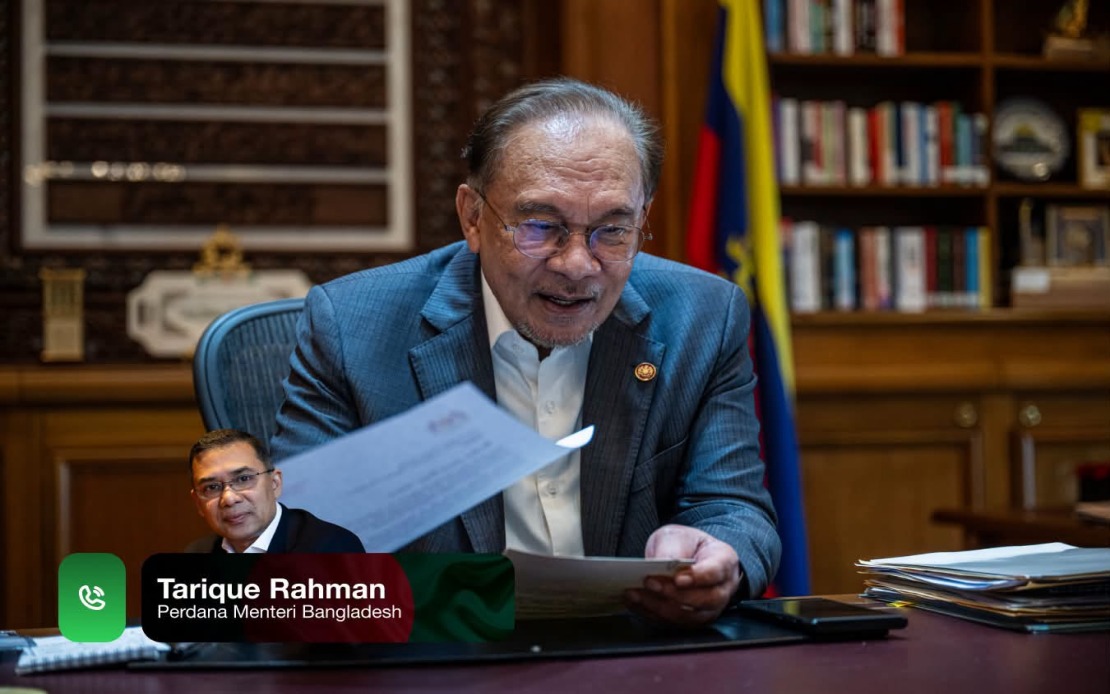
The Bangladesh government has formally requested Malaysia's involvement in addressing an acute energy shortage, turning to its Southeast Asian neighbour for solutions to a crisis that has intensified following geopolitical tensions in West Asia and industrial accidents at home. Prime Minister Datuk Seri Anwar Ibrahim disclosed the request after speaking with Bangladesh Prime Minister Tarique Rahman on Monday, marking a significant shift toward regional energy cooperation that underscores the growing interdependence of Asian economies facing supply disruptions.
The gas shortage affecting Bangladesh represents a critical challenge for the nation's industrial and domestic sectors, prompting authorities to explore external partnerships rather than rely solely on domestic reserves or existing supply agreements. Bangladesh's energy predicament stems from multiple compounding factors: the fallout from regional instability in the Middle East has disrupted global energy flows and altered trading patterns, while a separate accident at an industrial facility has further constrained the country's capacity to generate or distribute natural gas efficiently. This convergence of external shocks and domestic setbacks has created an urgent policy imperative for Bangladesh's leadership to secure alternative sources of liquefied natural gas.
Anwar's willingness to engage constructively on this request reflects Malaysia's broader strategic positioning within Southeast Asia as both an energy producer and a reliable diplomatic partner. Through Petronas, Malaysia's national oil and gas corporation, there exists a natural mechanism for facilitating energy transactions and technical cooperation. The premier emphasised Malaysia's commitment to supporting Bangladesh through pragmatic collaboration, signalling that the bilateral relationship extends well beyond ceremonial exchanges to concrete economic benefits that serve both nations' development agendas.
The energy dialogue fits within a wider conversation between the two governments about deepening economic ties across multiple sectors. Beyond energy cooperation, Anwar and Rahman discussed investment opportunities and potential strategic partnerships that could yield long-term advantages for Malaysian and Bangladeshi enterprises. The involvement of Axiata, a major Southeast Asian telecommunications conglomerate with significant operations in Bangladesh, alongside discussions of port cooperation through MMC Port, demonstrates the breadth of commercial engagement now being pursued at the highest political levels.
For Malaysia, this emerging partnership offers opportunities to leverage its hydrocarbon resources and industrial expertise in serving regional demand. As global energy markets remain volatile and supply chains fragile, countries with stable production capacity and established export infrastructure become increasingly valuable partners. Malaysia's track record in LNG production and its established relationships with multiple buyers across Asia position it advantageously to respond to urgent requests from neighbours facing energy crises.
Bangladesh's approach to soliciting Malaysian assistance also reflects the limitations of existing arrangements and the reality that South Asian energy security cannot be guaranteed through traditional suppliers alone. The country's growing population and expanding industrial base create relentless pressure to secure adequate energy supplies, making diversification of sources and partnerships a matter of national priority. Turning to Malaysia rather than pursuing other options signals confidence in the reliability and feasibility of bilateral arrangements.
The geopolitical context surrounding these discussions warrants particular attention for Malaysian observers. The reference to disruptions following the West Asia conflict underscores how regional instability thousands of kilometres away can reverberate through energy markets and create sudden vulnerabilities for countries throughout Asia. This reality has prompted nations across the continent to reassess their energy security strategies and forge partnerships that reduce dependence on volatile regions and create alternative pathways for critical imports.
Further developments in this partnership will likely extend beyond immediate energy transfers to include technical cooperation, capacity building, and potentially joint ventures in energy infrastructure. Malaysia's experience in developing LNG facilities and managing large-scale energy projects could provide valuable knowledge transfer for Bangladesh's technical teams, enhancing the efficiency of Bangladesh's energy systems regardless of where supplies ultimately originate.
The timing of this request also reflects the cyclical nature of energy crises in developing Asian economies, where rapid growth in energy demand regularly outpaces infrastructure development and supply arrangements prove inadequate during periods of global disruption. By establishing stronger bilateral mechanisms now, both governments create frameworks that can be activated quickly when future emergencies arise, reducing the lag time between identifying a shortage and implementing solutions.
For Malaysian policymakers, the Bangladesh request represents both opportunity and responsibility. Strengthening the Malaysia-Bangladesh relationship through energy cooperation contributes to broader regional stability and positions Malaysia as a constructive force in addressing the practical challenges facing Southeast Asian and South Asian neighbours. The emphasis on mutual benefit, pragmatic cooperation, and respect for sovereignty that Anwar highlighted reflects a mature diplomatic approach that can serve as a model for other bilateral relationships in the region facing energy challenges.
The conversation between Anwar and Rahman also signals that energy security discussions are becoming integrated into broader conversations about investment, trade, and economic development rather than remaining siloed within technical committees. This holistic approach recognises that sustainable partnerships require alignment across multiple economic domains and political commitment from the highest levels of government.

