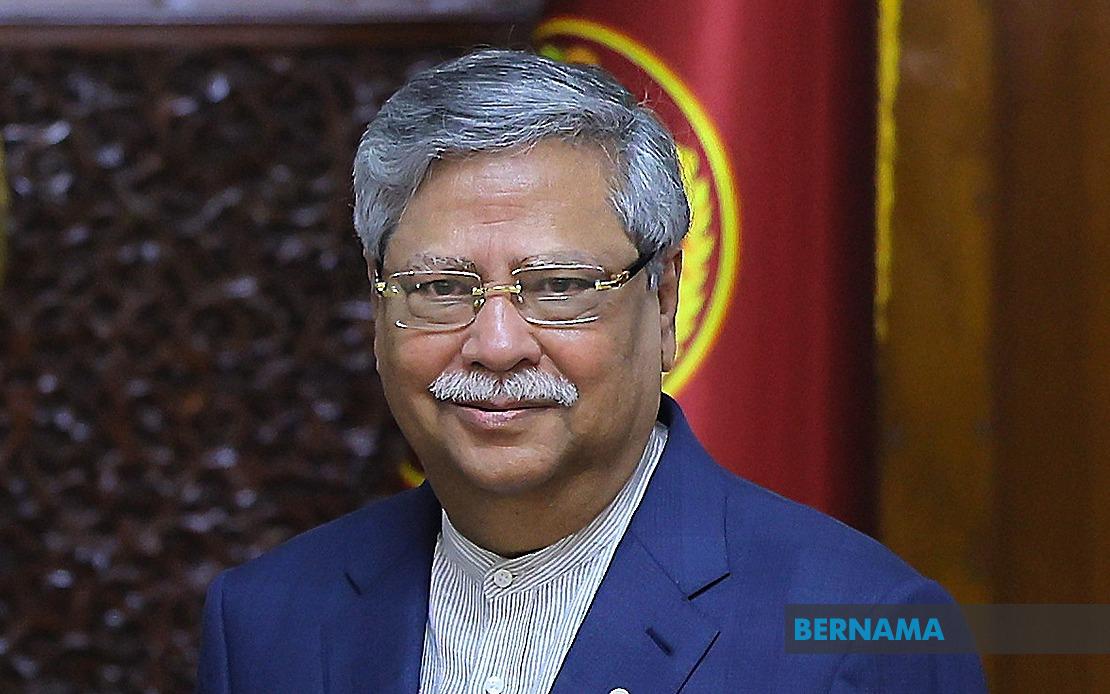
Bangladesh is set to elect a new president when parliament reconvenes in September, according to the country's Law Minister Md Asaduzzaman. The constitutional timeline requires that a presidential election be held within 90 days of a president's resignation, a deadline that will comfortably be met during the third parliamentary session scheduled to commence by September 14. This development follows the departure of Mohammed Shahabuddin Chuppu, who stepped down from the highest ceremonial office citing serious health complications.
The resignation took effect immediately after Speaker Hafiz Uddin Ahmad assumed the presidential functions in accordance with Bangladesh's constitutional framework. Md Sarwar Alam, press secretary to the departed president, confirmed that Shahabuddin had formally submitted his resignation letter to the speaker, citing the gravity of his medical condition as the primary reason for stepping aside. The transition has been orderly and procedurally sound, with the Parliament Secretariat formally notifying media outlets of the change in leadership structure.
The second session of parliament concluded on July 15, triggering the procedural requirement to convene the third session within two months—a window that extends until September 14. This constitutional provision provides sufficient time for the necessary parliamentary procedures to be completed before the presidential election takes place. Bangladesh's system allocates considerable flexibility in scheduling parliamentary sessions, allowing elected representatives adequate time to address administrative and legislative matters while maintaining constitutional compliance.
Under the constitutional framework governing Bangladesh, the nation's parliament members serve as the exclusive electorate in presidential elections. This arrangement concentrates the selection process within the legislature, fundamentally different from many democracies where presidents are elected through direct popular vote. The parliamentary voting system places significant influence in the hands of the ruling coalition, which currently dominates the national assembly.
Prime Minister Tarique Rahman's Bangladesh Nationalist Party (BNP) commands a substantial parliamentary majority, positioning it to exercise decisive influence over the presidential selection process. Political observers widely anticipate that the BNP's preferred candidate will secure the presidency when parliamentarians cast their votes. This outcome reflects the structural reality that governing coalitions in parliamentary systems typically control ceremonial and constitutional positions, though the Bangladesh presidency carries symbolic rather than executive authority.
The departure of Shahabuddin Chuppu represents a significant transition in Bangladesh's political landscape, particularly given the health-related circumstances underlying his resignation. Presidential transitions due to medical reasons are not uncommon in constitutional democracies, yet they often prompt broader reflection on institutional continuity and succession planning. The formal acknowledgment of serious illness as the resignation's cause reflects a transparent approach to leadership changes.
For Malaysian observers and regional analysts, Bangladesh's presidential succession demonstrates how different democratic systems handle leadership transitions. Malaysia's own constitutional monarchy and appointment procedures differ substantially from Bangladesh's parliamentary election of presidents, yet both frameworks prioritize institutional stability and constitutional adherence during periods of change. The orderly manner in which Bangladesh's transition is proceeding illustrates the resilience of established constitutional procedures even when addressing unexpected departures.
The September parliamentary session will mark an important moment in Bangladesh's political calendar, as legislators formally select the nation's next ceremonial head of state. While the presidency in Bangladesh's system functions primarily in a representative capacity, the election itself carries significance for national cohesion and the legitimacy of state institutions. The process will unfold within established constitutional parameters, reinforcing the rule of law and parliamentary supremacy in the country's governance structure.
Regional stability considerations may also weigh on observers of Bangladesh's political developments. As a major South Asian democracy with significant geopolitical importance, transitions in Bangladesh's leadership—even ceremonial ones—attract attention from neighbouring nations and international stakeholders. The predictable and constitutionally-grounded nature of this succession should provide reassurance regarding institutional continuity and democratic governance standards.

