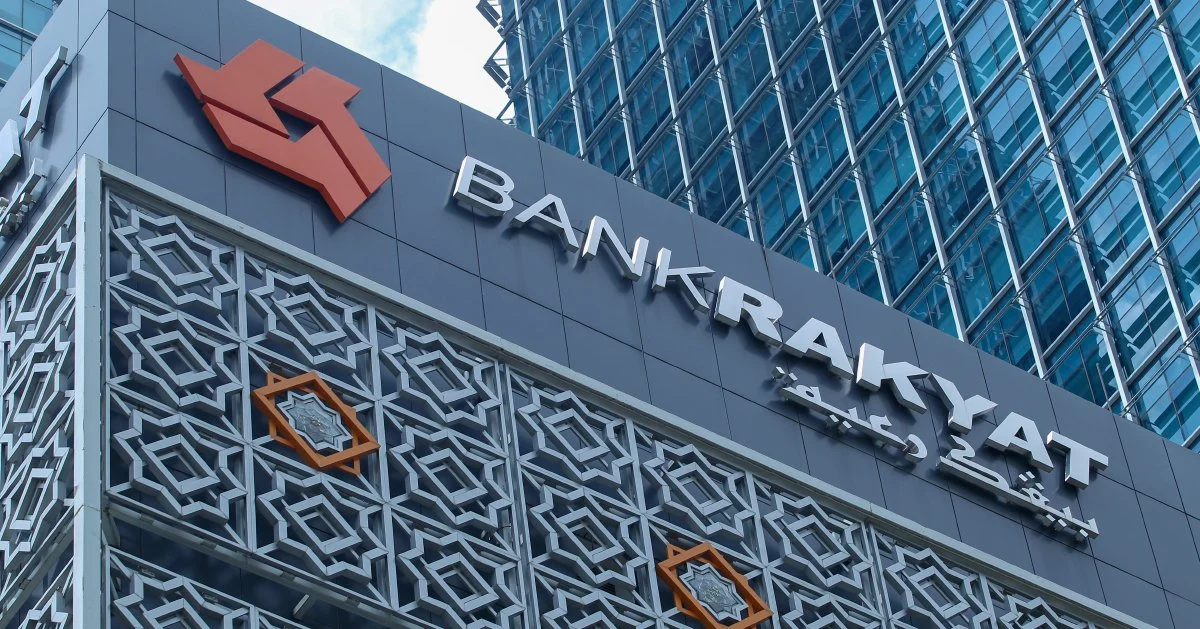
Bank Rakyat, Malaysia's primary agricultural financing institution, has entered the sukuk market with a RM300 million issuance designed to reinforce its capital base at a time when the rural banking sector faces mounting demands for lending support. The transaction was structured as subordinated sukuk Murabahah, a fixed-income instrument compliant with Islamic principles, and represents a drawdown from the institution's broader RM5 billion sukuk facility established to provide flexibility in raising funds across multiple tranches.
The capital raise arrives as Bank Rakyat navigates an increasingly complex operating environment. Rural livelihoods across Malaysia continue to encounter pressures from climate volatility, commodity price fluctuations, and shifting agricultural economics. By securing additional capital through sukuk issuance rather than equity dilution, Bank Rakyat preserves existing shareholder structures while accessing a deep pool of Islamic investment capital that has become increasingly attractive to regional and global investors seeking Shariah-compliant assets.
Subordinated sukuk occupy a distinctive tier in a bank's liability structure. Unlike conventional deposits or senior debt, these instruments rank below senior creditors in the event of insolvency, yet still provide the institution with capital that regulators recognise toward compliance with minimum capital adequacy ratios. This positioning makes sukuk particularly valuable for tier-two capital requirements, offering issuers lower borrowing costs than equity while maintaining investor appeal through fixed returns and legal documentation aligned with Islamic finance principles.
Bank Rakyat's RM5 billion sukuk facility represents a strategic decision to tap Malaysia's mature Islamic debt capital markets, where investor appetite for banking sector instruments remains robust. The modular approach—issuing in tranches rather than a single large placement—permits the institution to respond flexibly to market conditions, investor demand patterns, and the institution's evolving capital needs without committing to simultaneous large-scale fundraising. This staged approach has become standard practice among Malaysian financial institutions managing capital strategies across multiple-year planning horizons.
For agricultural stakeholders across Malaysia, the implications of enhanced bank capital carry practical significance. Stronger capital buffers enable financial institutions to extend lending during periods of economic stress, maintain operational stability, and expand credit availability to farmers and agribusinesses. The rural sector has historically faced challenges accessing adequate financing, particularly for medium-to-long-term investments in infrastructure, equipment, and technology adoption. A better-capitalised Bank Rakyat potentially translates to improved credit availability for the agricultural community it serves.
The sukuk issuance underscores the growing sophistication of Malaysia's Islamic finance ecosystem. Murabahah instruments—structured as cost-plus financing arrangements where the bank purchases commodities and sells them to borrowers at marked-up prices—have become commonplace in Southeast Asian Islamic banking. The predictable cash flows and asset-backed nature of Murabahah sukuk appeal to institutional investors managing long-term liabilities, from pension funds to insurance companies, creating consistent market demand that benefits issuers.
From a regulatory perspective, Bank Rakyat's capital-raising move aligns with ongoing emphasis by Bank Negara Malaysia on maintaining robust banking system resilience. Post-pandemic financial oversight has intensified focus on capital adequacy and liquidity coverage among financial institutions. Central bank expectations for domestic banks include maintaining capital ratios well above minimum thresholds, positioning themselves for stress scenarios, and supporting economic recovery. A financial institution demonstrating proactive capital management signals stability to regulators and depositors alike.
The regional context matters too. Across ASEAN, agricultural financing gaps remain substantial. Governments and development finance institutions throughout Southeast Asia have prioritised closing these gaps, recognising that underserved agricultural sectors constrain broader economic development and food security. Bank Rakyat's capital strengthening sends positive signals about institutional commitment to rural finance, potentially influencing policymaker approaches to supporting domestic agricultural banking initiatives in other ASEAN economies.
Investor reception of the sukuk issuance will provide important signals about market confidence in Bank Rakyat's medium-term trajectory. The pricing at which the bonds trade after issuance—indicated by yields and spreads over benchmark rates—reflects investor perception of the institution's creditworthiness and growth prospects. Tight pricing suggests strong confidence, potentially enabling future capital raises on favourable terms. Conversely, wider spreads would signal caution, prompting management to address any perceived operational or strategic concerns.
Looking forward, the RM5 billion sukuk facility positions Bank Rakyat for sustained capital growth as agricultural financing demands evolve. Climate change adaptation, agricultural modernisation, and smallholder productivity improvements all require substantial capital deployment. Bank Rakyat's access to Islamic capital markets—increasingly embraced by Malaysian and international investors—provides a sustainable funding avenue that complements traditional deposit-gathering and shareholder equity contributions.
The transaction also reflects Malaysia's institutional depth in Islamic finance. The country maintains the world's second-largest sukuk market by issuance volume, supported by sophisticated legal frameworks, experienced financial advisors, and established investor networks. This infrastructure enables both corporations and financial institutions to raise substantial capital efficiently, reinforcing Malaysia's positioning as a preferred financial hub within the Islamic world and beyond.

