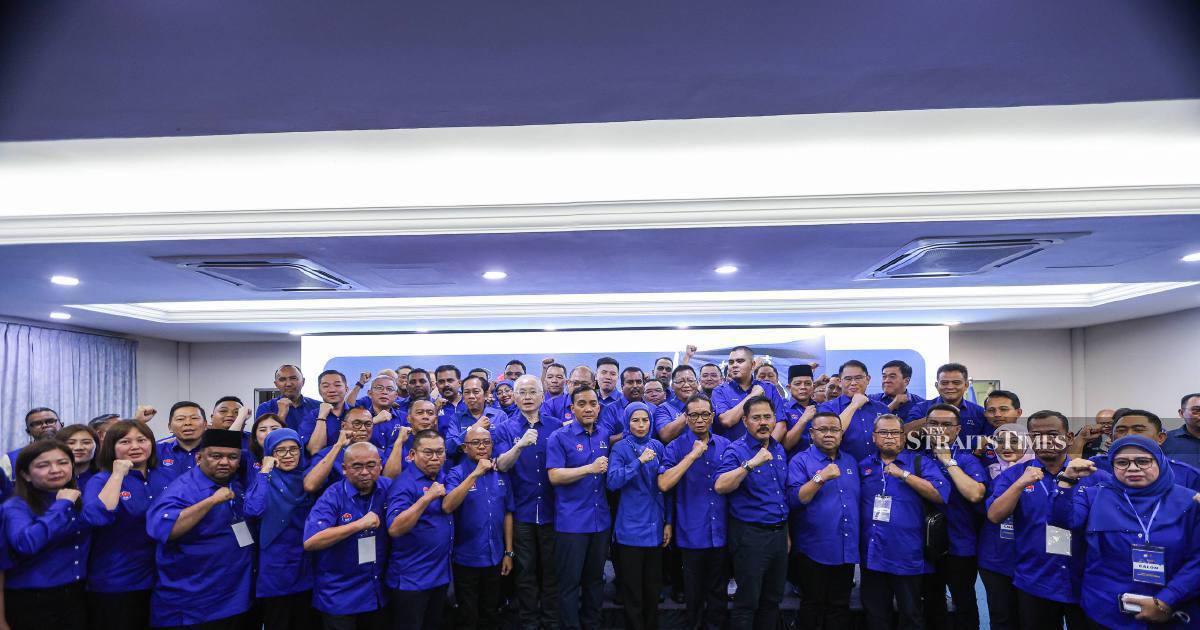
Barisan Nasional has officially presented its complete roster of 56 candidates for the Johor state election set to take place on July 11, marking a significant milestone in the coalition's electoral preparation. The announcement came in Johor Baru and represents the finalized lineup after weeks of internal discussions and party deliberations across BN's constituent member parties, including Umno, MCA, and MIC.
The unveiling of the full candidate slate signals that the 14-seat incumbent BN administration has moved beyond the selection phase and entered the active campaigning period. This development carries considerable weight for Malaysia's political landscape, as Johor represents one of the nation's most populous and economically significant states. Control of the state government influences not only local developmental priorities but also shapes the broader political momentum heading into potential federal-level contests.
For Malaysian voters in Johor, the candidate announcement provides clarity on who would represent their respective constituencies should BN retain power. The composition of the candidate list typically reflects the coalition's assessment of electoral dynamics in different districts, including consideration of demographic shifts, incumbent performance records, and emerging grassroots sentiment. These decisions often involve complex internal negotiations between BN's component parties, each seeking to secure competitive seats for their members.
The timing of the candidate release allows campaigns roughly two weeks to mobilize supporters and conduct ground-level engagement before polling day. In Malaysia's state elections, this campaign window remains relatively compressed compared to federal contests, requiring candidates and their respective party machinery to work with heightened intensity. The July 11 date falls during the Malaysian school holidays, potentially affecting voter participation rates depending on migration patterns and return movements to constituencies.
Johor's electoral significance extends beyond state-level governance. The state has historically served as a political bellwether, with results often foreshadowing broader national trends. BN's performance here would provide valuable indicators regarding the coalition's support base in Peninsular Malaysia's southern corridor, an area where Umno maintains traditionally strong organizational networks. Conversely, any notable gains by opposition coalitions would suggest shifting voter preferences in regions previously considered BN strongholds.
The composition of BN's candidate roster likely reflects efforts to balance several competing considerations. Incumbent assemblymen with strong performance records typically receive renomination, while new faces introduced in selected constituencies often represent attempts to capture emerging voter segments or address local dissatisfaction. The distribution of candidates among BN's component parties also carries political significance, as proportional representation in candidate allocation affects internal coalition dynamics and post-election portfolio distribution.
For regional observers and analysts across Southeast Asia, Johor elections provide insights into Malaysia's democratic processes and coalition-based governance models. BN's performance metrics, combined with opposition party strategies, offer lessons regarding political management in diverse, multi-ethnic democracies where coalition maintenance requires continuous balancing of diverse interest groups and regional power bases.
The opposition would simultaneously finalize their own candidate submissions, creating the complete electoral picture. This competitive dynamic shapes voter choice and determines the quality of democratic contest. For Malaysians, particularly Johor residents, the quality and credibility of available candidates substantially influences political participation rates and voting outcomes.
BN's candidate announcement also carries implications for party members competing for nominations. Selection criteria employed by the coalition reflect internal assessments of electability, organizational loyalty, and perceived capacity to serve constituent communities effectively. Rejected candidates must navigate potentially difficult internal party relationships while determining their future political involvement.
The week preceding election day will likely witness intensified campaigning by all parties. Media coverage will expand, public rallies will multiply, and ground-level organizing will accelerate across urban centers and rural constituencies. For Malaysian news consumers and political observers, the campaign period provides opportunities to assess candidate quality, compare policy positions, and evaluate which coalition better articulates solutions for Johor's development challenges.
Looking forward, the July 11 election represents a crucial test of political confidence in Johor. Voter turnout, result margins, and demographic breakdowns will offer valuable data for understanding contemporary Malaysian electoral preferences. Results will influence BN's strategic calculations for future contests while potentially reshaping opposition coalition strategies across the nation.

